
Exploring the Enigmatic World of Surrealism: A Journey into the Unconscious

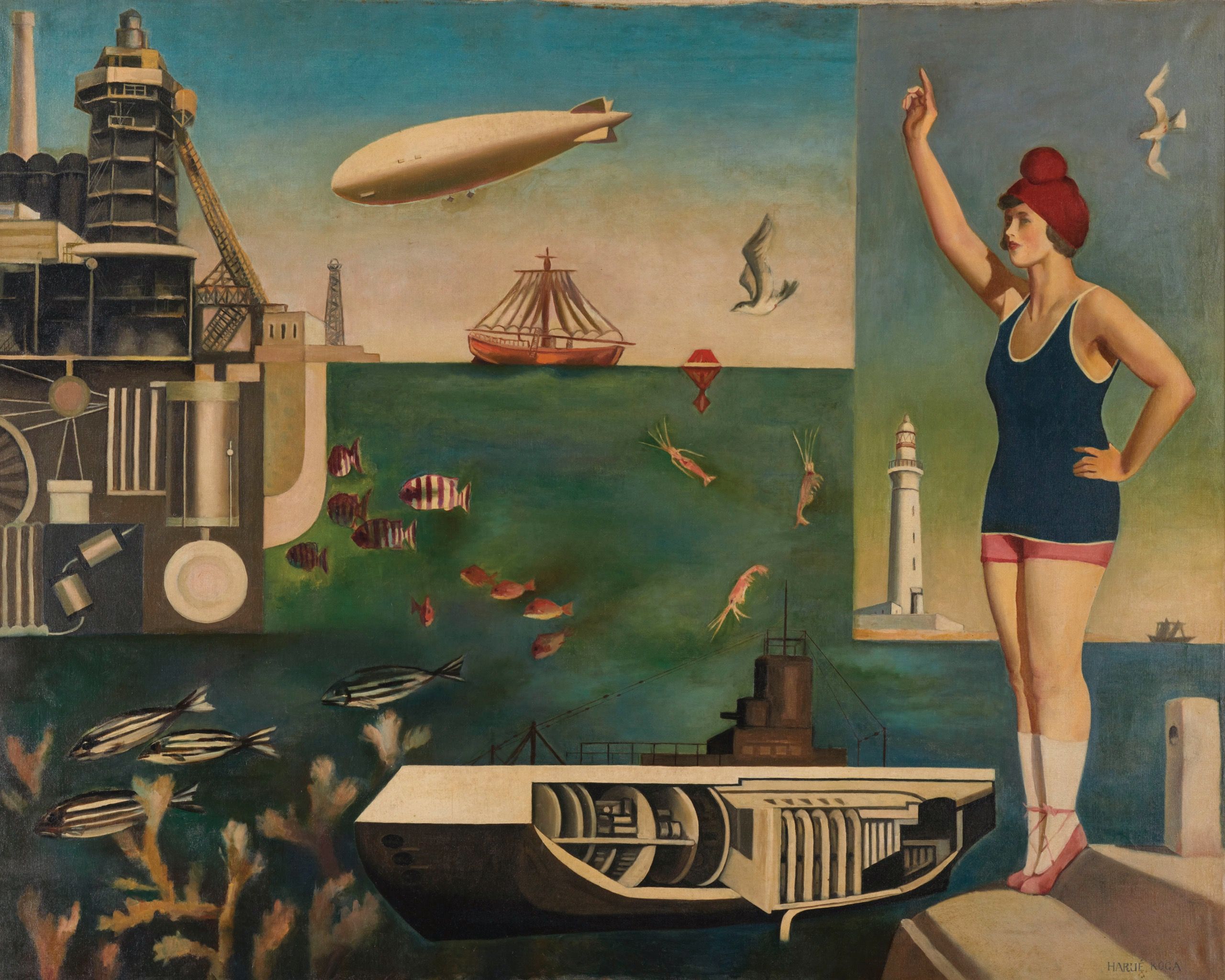
The Fascinating World of Surrealism
Surrealism, an artistic and literary movement that emerged in the early 20th century, continues to captivate audiences with its dreamlike and bizarre creations. Rooted in the exploration of the unconscious mind, surrealism seeks to challenge reality and conventional norms through unexpected juxtapositions and fantastical imagery.
One of the key figures associated with surrealism is the renowned artist Salvador Dalí. Known for his melting clocks and eccentric mustache, Dalí’s works often evoke a sense of wonder and intrigue. His paintings, such as “The Persistence of Memory,” transport viewers into a realm where time is fluid and logic is suspended.
Another prominent surrealist artist is René Magritte, famous for his thought-provoking paintings that play with perception and reality. In works like “The Son of Man,” Magritte explores the concept of hidden identity and challenges our assumptions about what we see.
Beyond visual arts, surrealism has also influenced literature, film, and even fashion. Writers like André Breton and Franz Kafka have delved into the realm of the subconscious, creating narratives that blur the line between reality and fantasy. Filmmakers such as Luis Buñuel have embraced surrealism to craft cinematic experiences that defy traditional storytelling conventions.
In today’s world, surrealism continues to inspire artists across various disciplines. Its influence can be seen in contemporary art installations, avant-garde fashion designs, and experimental films that push boundaries and provoke thought.
Whether you’re drawn to its enigmatic allure or puzzled by its unconventional approach, surrealism invites us to question our perceptions of the world around us. By embracing the strange and unexpected, we open ourselves up to new possibilities and perspectives that transcend the confines of everyday life.
Understanding Surrealism: Key Questions and Insights
- What is an example of Surrealism?
- What makes something surreal?
- What are the 3 major aspects of Surrealism?
- How do you explain Surrealism to a child?
- Who is the father of surrealism?
What is an example of Surrealism?
An iconic example of Surrealism that often comes to mind is Salvador Dalí’s painting “The Persistence of Memory.” This masterpiece, featuring melting clocks draped over barren landscapes, embodies the essence of surrealism by challenging our perception of time and reality. Dalí’s dreamlike imagery and meticulous attention to detail create a sense of otherworldly enchantment, inviting viewers to ponder the mysteries of existence and the fluidity of our perceptions. “The Persistence of Memory” serves as a timeless representation of surrealism’s ability to transcend traditional boundaries and evoke a profound sense of wonder and contemplation.
What makes something surreal?
The concept of surrealism hinges on defying the norms of reality and embracing the unexpected. What makes something truly surreal is its ability to challenge our perceptions and provoke a sense of wonder and disorientation. Surrealism thrives on juxtaposing unlikely elements, distorting familiar objects or scenes, and blurring the line between the conscious and unconscious mind. It’s about creating a sense of dreamlike unreality that transcends logic and invites viewers to explore realms beyond the confines of everyday experience.
What are the 3 major aspects of Surrealism?
Surrealism, as an artistic and literary movement, encompasses three major aspects that define its essence. Firstly, surrealism embraces the exploration of the unconscious mind, delving into dreams, desires, and thoughts beyond rationality. This aspect allows artists to tap into a realm of creativity that transcends traditional boundaries. Secondly, surrealism often incorporates unexpected juxtapositions and bizarre imagery to challenge conventional norms and provoke thought. By creating surreal and dreamlike scenarios, artists aim to disrupt the viewer’s perception of reality. Lastly, surrealism values spontaneity and automatism in the creative process, emphasizing the importance of intuition and free-flowing expression without conscious control. These three key aspects together form the foundation of surrealism’s unique and captivating approach to art and literature.
How do you explain Surrealism to a child?
Explaining surrealism to a child can be a delightful journey into the world of imagination and creativity. You could describe surrealism as a magical way of making art that looks like it comes from dreams or fantasies. Just like in dreams where things may not make sense but still feel exciting, surrealism uses strange and surprising images to tell stories or express feelings. It’s like taking a peek into a whimsical world where anything is possible, and where even the most ordinary things can become extraordinary adventures for our minds to explore.
Who is the father of surrealism?
The question of who is considered the “father of surrealism” often leads to discussions about the influential role of André Breton in the development of the surrealist movement. As a French writer and poet, Breton played a pivotal role in shaping the principles and ethos of surrealism through his writings and manifestos. He believed in harnessing the power of dreams, the unconscious mind, and spontaneous creativity to challenge societal norms and explore new realms of artistic expression. Breton’s leadership and vision helped establish surrealism as a significant cultural force that continues to inspire artists and thinkers around the world.
The Fascinating World of Surrealism The Fascinating World of Surrealism Surrealism, an artistic and literary movement that emerged in the early 20th century, continues to captivate audiences with its dreamlike and bizarre creations. Rooted in the exploration of the unconscious mind, surrealism seeks to challenge reality and conventional norms through unexpected juxtapositions and fantastical imagery.…