
Unveiling the Cultural Splendor of Micronesians: A Journey into Pacific Heritage

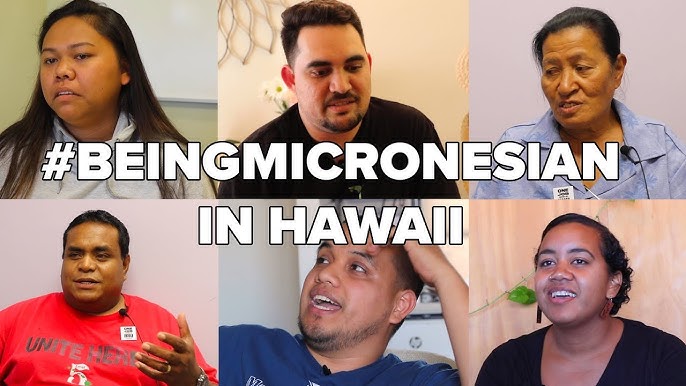
Micronesians: Exploring the Rich Culture and Traditions of the Pacific
Nestled in the vast expanse of the Pacific Ocean lies a region teeming with cultural diversity and historical significance – Micronesia. Comprising thousands of islands scattered across the western Pacific, Micronesia is home to a vibrant community known as Micronesians.
With a heritage deeply rooted in seafaring traditions, Micronesians have developed a unique way of life that revolves around the ocean. Fishing, navigation, and voyaging are integral parts of their culture, passed down through generations via oral histories and traditional practices.
One of the most iconic symbols of Micronesian culture is the outrigger canoe, a seaworthy vessel crafted with precision and skill. These canoes serve not only as modes of transportation but also as embodiments of cultural identity and pride.
Music and dance play a central role in Micronesian society, with rhythmic beats and graceful movements reflecting stories of love, loss, triumph, and celebration. Traditional dances such as the “Yapese Dance” and “Chuukese Stick Dance” showcase the artistry and creativity inherent in Micronesian performance arts.
Artisanal crafts are another hallmark of Micronesian culture, with skilled artisans producing intricate woven mats, carved wooden figures, and shell jewelry that embody both beauty and functionality. These crafts serve as tangible expressions of creativity and tradition within the community.
Despite facing challenges such as climate change and globalization, Micronesians continue to uphold their cultural heritage with resilience and pride. Efforts to preserve traditional knowledge, protect natural resources, and promote sustainable practices reflect a deep commitment to safeguarding their way of life for future generations.
As we delve into the world of Micronesians, we discover a rich tapestry of customs, beliefs, and values that have endured for centuries. Through their stories, songs, dances, and craftsmanship, Micronesians invite us to appreciate the beauty and diversity that define this captivating region in the heart of the Pacific.
Understanding and Respecting Micronesian Culture: 6 Essential Tips
- Micronesians come from various cultural backgrounds, so it’s important to be respectful and open-minded.
- Family is highly valued in Micronesian culture, so showing respect towards elders is essential.
- Avoid using gestures that may be considered disrespectful in Micronesian culture, such as pointing with your fingers.
- When visiting someone’s home, it’s polite to bring a small gift or food to show appreciation.
- It’s common for Micronesians to communicate indirectly, so being attentive to non-verbal cues is important.
- Learning a few words in the local language can go a long way in building rapport with Micronesians.
Micronesians come from various cultural backgrounds, so it’s important to be respectful and open-minded.
In interacting with Micronesians, it is crucial to acknowledge and respect the diversity of their cultural backgrounds. With a rich tapestry of traditions and customs woven into their identities, being open-minded and respectful paves the way for meaningful connections and mutual understanding. Embracing the differences that define Micronesian culture not only fosters harmony but also enriches our own perspectives, creating a space where appreciation and acceptance flourish.
Family is highly valued in Micronesian culture, so showing respect towards elders is essential.
In Micronesian culture, family holds a paramount significance, with strong emphasis placed on honouring and respecting elders. Demonstrating reverence towards older members of the community is not only a sign of courtesy but also a deeply ingrained tradition that reflects the values of wisdom, experience, and interconnectedness within the family unit. By upholding this cultural norm, Micronesians foster a sense of unity and cohesion that strengthens familial bonds and perpetuates traditions across generations.
Avoid using gestures that may be considered disrespectful in Micronesian culture, such as pointing with your fingers.
When interacting with Micronesians, it is important to be mindful of cultural sensitivities and avoid gestures that may be perceived as disrespectful, such as pointing with your fingers. In Micronesian culture, using gestures like pointing can be seen as impolite or aggressive. Instead, opt for more subtle and respectful forms of communication to ensure positive interactions and mutual understanding.
When visiting someone’s home, it’s polite to bring a small gift or food to show appreciation.
When visiting a Micronesian’s home, it is customary and considered polite to bring a small gift or food as a gesture of appreciation. This tradition reflects the importance of hospitality and respect within Micronesian culture, where sharing food and gifts symbolizes goodwill and strengthens social bonds. By presenting a token of gratitude when entering someone’s home, visitors demonstrate their respect for the host and acknowledge the warmth of the welcome extended to them.
It’s common for Micronesians to communicate indirectly, so being attentive to non-verbal cues is important.
In Micronesian culture, communication often takes on an indirect approach, placing significance on non-verbal cues and subtle gestures. Understanding and interpreting these non-verbal signals is essential for effective interaction with Micronesians, as they convey nuances of meaning and emotion that may not be explicitly expressed through words. By being attentive to these cues, one can navigate conversations and relationships with greater sensitivity and insight, fostering deeper connections within the community.
Learning a few words in the local language can go a long way in building rapport with Micronesians.
Understanding the importance of language in cultural exchange, especially when engaging with Micronesians, can significantly enhance communication and foster deeper connections. Learning a few words in the local language demonstrates respect and a genuine interest in the culture, paving the way for meaningful interactions and building rapport with Micronesian communities. By making this effort to bridge linguistic barriers, individuals can create a more inclusive and welcoming environment that promotes mutual understanding and appreciation of diverse perspectives.
Micronesians: Exploring the Rich Culture and Traditions of the Pacific Micronesians: Exploring the Rich Culture and Traditions of the Pacific Nestled in the vast expanse of the Pacific Ocean lies a region teeming with cultural diversity and historical significance – Micronesia. Comprising thousands of islands scattered across the western Pacific, Micronesia is home to a…