
Navigating Clinical Depression: Understanding and Coping with the Condition

Understanding Clinical Depression
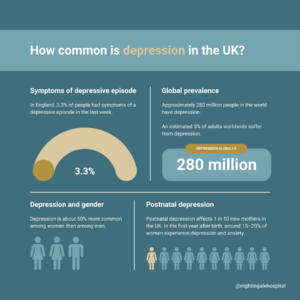
Clinical depression, also known as major depressive disorder, is a serious mental health condition that affects millions of people worldwide. It goes beyond the normal feelings of sadness or temporary emotional lows that everyone experiences from time to time.
Individuals with clinical depression may feel persistently sad, hopeless, or lose interest in activities they once enjoyed. These symptoms can significantly impact daily life, relationships, and overall well-being.
Causes and Risk Factors
The exact cause of clinical depression is not fully understood and is believed to be a combination of genetic, biological, environmental, and psychological factors. Some common risk factors include:
- Family history of depression
- Traumatic life events such as loss or abuse
- Brain chemistry imbalance
- Chronic medical conditions
- Drug or alcohol abuse
Symptoms of Clinical Depression
Symptoms of clinical depression can vary from person to person but often include:
- Persistent feelings of sadness or emptiness
- Lack of energy and fatigue
- Changes in appetite or weight
- Sleep disturbances (insomnia or oversleeping)
- Difficulty concentrating or making decisions
- Feelings of worthlessness or guilt
- Thoughts of death or suicide
Treatment Options
Clinical depression is a treatable condition. Common treatment options include:
- Psychotherapy (counselling)
- Medication (antidepressants)
- Lifestyle changes (exercise, healthy diet)
- Social support and self-care practices
Seeking Help for Clinical Depression
If you or someone you know is experiencing symptoms of clinical depression, it’s essential to seek help from a mental health professional. Early intervention and appropriate treatment can make a significant difference in managing the condition and improving quality of life.
Remember that you are not alone, and there are resources available to support you on your journey towards mental wellness.
Understanding Clinical Depression: Key Differences, Symptoms, and Coping Strategies
- What is the difference between depression and clinically depressed?
- What are 3 signs of clinical depression?
- What are 5 coping skills for depression?
- What does it mean to be clinically depressed?
- What are the 9 symptoms of clinical depression?
- What are examples of clinical depression?
What is the difference between depression and clinically depressed?
When distinguishing between depression and being clinically depressed, it’s essential to understand that depression is a broad term that encompasses various levels of severity. Feeling sad or low at times is a common human experience and does not necessarily indicate clinical depression. Clinical depression, on the other hand, refers to a diagnosable mental health condition characterized by persistent feelings of sadness, hopelessness, and loss of interest in daily activities. It involves more intense and prolonged symptoms that significantly impact one’s ability to function normally. Seeking professional help and a proper diagnosis are crucial steps in differentiating between occasional feelings of sadness and clinical depression.
What are 3 signs of clinical depression?
Three common signs of clinical depression include persistent feelings of sadness or emptiness, significant changes in appetite or weight, and disruptions in sleep patterns such as insomnia or oversleeping. These symptoms, among others, can indicate a deeper emotional struggle that may require professional intervention and support. It’s important to recognise these signs and seek help if you or someone you know is experiencing them to address the condition effectively.
What are 5 coping skills for depression?
When dealing with clinical depression, developing coping skills is essential for managing symptoms and improving overall well-being. Five effective coping skills for depression include practicing mindfulness and relaxation techniques to reduce stress, engaging in regular physical activity to boost mood and energy levels, maintaining a healthy routine with adequate sleep and nutrition, seeking social support from friends, family, or support groups to combat feelings of isolation, and setting realistic goals and boundaries to prevent overwhelm. Incorporating these coping strategies into daily life can help individuals navigate the challenges of depression and work towards recovery.
What does it mean to be clinically depressed?
To be clinically depressed means experiencing a persistent and debilitating mental health condition known as major depressive disorder. It goes beyond temporary feelings of sadness and affects various aspects of daily life. Individuals with clinical depression may struggle with overwhelming feelings of despair, hopelessness, and a loss of interest in activities they once enjoyed. Seeking professional help is crucial for diagnosis and treatment, as clinical depression can significantly impact one’s emotional well-being, relationships, and overall quality of life.
What are the 9 symptoms of clinical depression?
In understanding clinical depression, it is important to recognize the common symptoms that may indicate the presence of this mental health condition. The 9 symptoms of clinical depression include persistent feelings of sadness or emptiness, lack of energy and fatigue, changes in appetite or weight, sleep disturbances such as insomnia or oversleeping, difficulty concentrating or making decisions, feelings of worthlessness or guilt, thoughts of death or suicide, loss of interest in previously enjoyable activities, and irritability or restlessness. These symptoms can vary in intensity and duration but collectively contribute to the significant impact that clinical depression can have on an individual’s daily life and well-being. If you or someone you know is experiencing these symptoms, seeking help from a mental health professional is crucial for proper diagnosis and treatment.
What are examples of clinical depression?
Clinical depression can manifest in various ways, and examples of symptoms commonly associated with the condition include persistent feelings of sadness or emptiness, loss of interest in activities once enjoyed, changes in appetite or weight, sleep disturbances, difficulty concentrating, feelings of worthlessness or guilt, and thoughts of death or suicide. It’s important to note that individuals experiencing clinical depression may exhibit a combination of these symptoms to varying degrees. Seeking professional help and support is crucial for accurate diagnosis and appropriate treatment tailored to individual needs.
Understanding Clinical Depression Understanding Clinical Depression Clinical depression, also known as major depressive disorder, is a serious mental health condition that affects millions of people worldwide. It goes beyond the normal feelings of sadness or temporary emotional lows that everyone experiences from time to time. Individuals with clinical depression may feel persistently sad, hopeless, or…