
The Australian Perspective: Exploring the Impact of Inflammation on Health

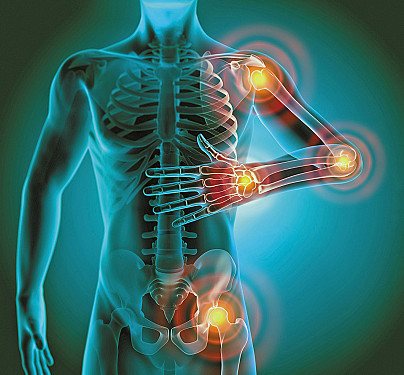
The Impact of Inflammation on the Body
Inflammation is a natural response by the body’s immune system to protect against harmful stimuli such as pathogens, damaged cells, or irritants. While acute inflammation is a vital part of the healing process, chronic inflammation can have detrimental effects on overall health.
Causes of Inflammation
Various factors can trigger inflammation, including infections, injuries, and autoimmune disorders. Poor lifestyle choices such as smoking, excessive alcohol consumption, and a diet high in processed foods can also contribute to chronic inflammation.
Effects of Chronic Inflammation
Chronic inflammation has been linked to a range of health conditions, including cardiovascular disease, diabetes, arthritis, and even cancer. Prolonged inflammation can lead to tissue damage and contribute to the progression of these diseases.
Managing Inflammation
Adopting a healthy lifestyle that includes regular exercise, a balanced diet rich in anti-inflammatory foods such as fruits, vegetables, and omega-3 fatty acids, adequate sleep, and stress management techniques can help reduce chronic inflammation in the body.
Conclusion
Understanding the impact of inflammation on the body is crucial for maintaining overall health and well-being. By making positive lifestyle choices and seeking medical advice when necessary, individuals can mitigate the effects of chronic inflammation and promote a healthier future.
The Positive Role of Inflammation: 9 Ways It Supports Health and Healing
- 1. Helps the body fight infections by activating the immune response.
- 2. Plays a crucial role in the healing process after injuries or surgeries.
- 3. Can assist in removing damaged cells and initiating tissue repair.
- 4. Acts as a protective mechanism against harmful pathogens and irritants.
- 5. Signals the body to send white blood cells to areas that need repair or protection.
- 6. Is a natural response that helps maintain overall health and well-being.
- 7. Can serve as an early warning sign of potential health issues that need attention.
- 8. Promotes blood flow to affected areas, aiding in the delivery of nutrients for healing.
- 9. Essential for maintaining homeostasis and balance within the body’s systems.
Six Drawbacks of Inflammation: From Cardiovascular Risks to Respiratory Challenges
- Chronic inflammation is linked to an increased risk of developing cardiovascular diseases.
- Inflammation can lead to joint pain and stiffness, affecting mobility and quality of life.
- Persistent inflammation may contribute to the development of autoimmune disorders.
- Inflammation in the digestive tract can result in gastrointestinal issues such as bloating and discomfort.
- Chronic inflammation has been associated with accelerated aging processes in the body.
- Inflammatory responses can exacerbate symptoms of respiratory conditions like asthma.
1. Helps the body fight infections by activating the immune response.
Inflammation plays a crucial role in helping the body combat infections by activating the immune response. When the immune system detects harmful pathogens, it triggers an inflammatory response to contain and eliminate the invaders. This process involves recruiting immune cells to the site of infection, increasing blood flow to deliver essential nutrients and antibodies, and creating an inhospitable environment for pathogens to thrive. By initiating inflammation, the body effectively mobilizes its defenses to fight off infections and protect overall health.
2. Plays a crucial role in the healing process after injuries or surgeries.
Inflammation plays a crucial role in the healing process after injuries or surgeries. When the body detects tissue damage, the immune system triggers an inflammatory response to protect against infection and promote tissue repair. This process involves increased blood flow to the affected area, bringing essential nutrients and immune cells that aid in the healing of wounds. Without inflammation, the body’s ability to recover from injuries or surgeries would be compromised, highlighting its importance in facilitating the healing process and restoring health.
3. Can assist in removing damaged cells and initiating tissue repair.
Inflammation plays a beneficial role in the body by aiding in the removal of damaged cells and kickstarting the process of tissue repair. When tissues are injured or infected, the immune system triggers an inflammatory response to clear out harmful debris and begin the healing process. This pro of inflammation is essential for maintaining overall health and ensuring that damaged tissues can be repaired effectively, allowing the body to recover from injuries and infections efficiently.
4. Acts as a protective mechanism against harmful pathogens and irritants.
Inflammation serves as a vital protective mechanism in the body, shielding it against harmful pathogens and irritants. When the immune system detects potential threats such as bacteria or toxins, it triggers an inflammatory response to contain and eliminate these invaders. This proactive defense mechanism helps prevent further harm and promotes the body’s healing process, showcasing the essential role that inflammation plays in safeguarding our overall health and well-being.
5. Signals the body to send white blood cells to areas that need repair or protection.
Inflammation plays a crucial role in signaling the body to dispatch white blood cells to specific areas that require repair or protection. This process is essential for combating infections, healing injuries, and maintaining overall health. By recruiting white blood cells to the site of inflammation, the body can effectively target and eliminate harmful invaders, accelerate tissue repair, and bolster the immune response. This proactive response highlights the intricate and adaptive nature of the body’s immune system in safeguarding against potential threats and promoting optimal recovery mechanisms.
6. Is a natural response that helps maintain overall health and well-being.
Inflammation, as a natural response by the body’s immune system, plays a crucial role in maintaining overall health and well-being. When the body encounters harmful stimuli such as pathogens or injuries, inflammation acts as a defense mechanism to protect against further damage and initiate the healing process. By triggering immune responses to combat infections and repair damaged tissues, inflammation contributes to the body’s ability to recover and maintain optimal function. Embracing the positive aspects of inflammation highlights its essential role in safeguarding our health and promoting well-being.
7. Can serve as an early warning sign of potential health issues that need attention.
Inflammation can serve as a valuable early warning sign of potential health issues that require attention. When the body’s immune system responds to harmful stimuli, it indicates that something may be amiss internally. By recognizing and addressing inflammation promptly, individuals can proactively identify underlying health concerns and take necessary steps to prevent the progression of more serious conditions. Monitoring inflammation levels can help individuals stay vigilant about their well-being and seek timely medical intervention when needed.
8. Promotes blood flow to affected areas, aiding in the delivery of nutrients for healing.
One significant benefit of inflammation is its ability to promote blood flow to affected areas, facilitating the delivery of essential nutrients necessary for the healing process. When the body detects damage or infection, it triggers an inflammatory response that increases blood circulation to the site of injury. This enhanced blood flow brings vital nutrients and immune cells to the affected area, accelerating the healing process and helping the body combat potential threats more effectively.
9. Essential for maintaining homeostasis and balance within the body’s systems.
Inflammation plays a crucial role in maintaining homeostasis and balance within the body’s systems. By initiating a controlled immune response to combat harmful stimuli, inflammation helps the body restore equilibrium and protect against potential threats. This pro of inflammation highlights its significance in ensuring that various physiological processes function optimally, ultimately contributing to overall health and well-being.
Chronic inflammation is linked to an increased risk of developing cardiovascular diseases.
Chronic inflammation poses a significant health risk as it is strongly associated with an elevated likelihood of developing cardiovascular diseases. Prolonged inflammation can lead to damage within the blood vessels, contributing to the progression of conditions such as heart disease, stroke, and hypertension. Managing chronic inflammation through lifestyle modifications and proper medical care is crucial in reducing the risk of cardiovascular complications and promoting heart health.
Inflammation can lead to joint pain and stiffness, affecting mobility and quality of life.
Inflammation can be a significant con when it leads to joint pain and stiffness, ultimately impacting mobility and diminishing one’s quality of life. Individuals experiencing inflamed joints may find it challenging to perform daily activities, such as walking or even simple tasks like gripping objects. The discomfort and limitation in movement caused by inflammation can hinder independence and overall well-being, highlighting the need for effective management strategies to alleviate joint-related symptoms and improve functional abilities.
Persistent inflammation may contribute to the development of autoimmune disorders.
Persistent inflammation poses a significant con as it can play a role in the onset and progression of autoimmune disorders. When the immune system mistakenly attacks healthy cells and tissues, autoimmune conditions such as rheumatoid arthritis, lupus, and multiple sclerosis can develop. The chronic activation of the immune response during prolonged inflammation can disrupt the body’s delicate balance, leading to an increased risk of autoimmune diseases. Managing inflammation through lifestyle changes and medical interventions is crucial in reducing the likelihood of triggering or exacerbating these debilitating conditions.
Inflammation in the digestive tract can result in gastrointestinal issues such as bloating and discomfort.
Inflammation in the digestive tract can lead to a range of gastrointestinal issues, including bloating and discomfort. When the body’s immune response triggers inflammation in the digestive system, it can disrupt normal digestive processes and cause symptoms like abdominal bloating and discomfort. These symptoms can be bothersome and impact daily activities, highlighting the negative consequences of inflammation on gut health. Managing inflammation in the digestive tract through dietary modifications and lifestyle changes is essential to alleviate these uncomfortable symptoms and promote overall gastrointestinal well-being.
Chronic inflammation has been associated with accelerated aging processes in the body.
Chronic inflammation, a persistent immune response in the body, has been linked to accelerated aging processes. This con of inflammation can lead to cellular damage and contribute to the deterioration of various bodily functions over time. The continuous presence of inflammatory markers can exacerbate age-related conditions and impact overall health and vitality. Managing chronic inflammation through lifestyle changes and medical interventions is crucial in mitigating its effects on the aging process and promoting healthier aging outcomes.
Inflammatory responses can exacerbate symptoms of respiratory conditions like asthma.
Inflammatory responses triggered by various stimuli can worsen symptoms of respiratory conditions such as asthma. In individuals with asthma, the immune system’s overreaction to certain triggers can lead to inflammation in the airways, causing them to become swollen and narrowed. This inflammation can result in increased mucus production, difficulty breathing, wheezing, and chest tightness. Managing inflammation is crucial in controlling asthma symptoms and improving the quality of life for those affected by this chronic respiratory condition.
The Impact of Inflammation on the Body The Impact of Inflammation on the Body Inflammation is a natural response by the body’s immune system to protect against harmful stimuli such as pathogens, damaged cells, or irritants. While acute inflammation is a vital part of the healing process, chronic inflammation can have detrimental effects on overall…