
Unveiling the Enigmatic World of Hitler’s Paintings

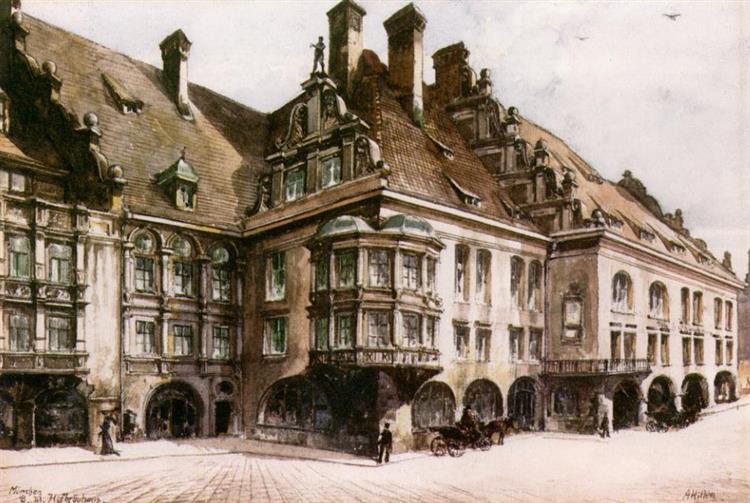
Exploring Hitler’s Paintings: A Controversial Artistic Legacy
Adolf Hitler, the infamous dictator responsible for some of the darkest chapters in human history, had a lesser-known passion for art. Before his rise to power, Hitler aspired to be a painter and even applied to art school in Vienna. While his dreams of becoming a professional artist were never fully realized, his early works provide a glimpse into a different side of the man behind the atrocities.
Hitler’s paintings predominantly featured landscapes, buildings, and scenes from daily life. His style was traditional and somewhat unremarkable, lacking the innovation or technical skill that would have set him apart in the art world. Despite this, his pieces reveal a certain level of dedication and attention to detail.
It is important to note that discussing Hitler’s artwork raises ethical questions about separating the artist from his heinous actions. Many argue that appreciating or critiquing his paintings could inadvertently glorify or humanize a figure responsible for millions of deaths during World War II.
Some art historians believe that examining Hitler’s artistic pursuits can offer insights into his psyche and motivations. They suggest that his failed aspirations as an artist may have fueled his resentment and desire for recognition, contributing to his later radicalization and thirst for power.
In recent years, there has been debate about how Hitler’s paintings should be handled and displayed. Museums and galleries face dilemmas regarding whether showcasing these works contributes to historical understanding or inadvertently perpetuates fascination with a figure synonymous with evil.
Ultimately, Hitler’s paintings remain a controversial aspect of his legacy. They serve as a reminder of the complexities of human nature and the importance of critically engaging with history, even when it involves confronting uncomfortable truths.
Understanding Adolf Hitler’s Art: Insights into the Mediocre Paintings of a Failed Artist
- Adolf Hitler’s paintings are considered to be of mediocre quality.
- They mostly depict landscapes, buildings, and people.
- Hitler was rejected twice by the Academy of Fine Arts in Vienna.
- His works lack originality and artistic merit.
- Despite his aspirations to become a professional artist, Hitler found greater success in politics.
- Today, Hitler’s paintings are primarily viewed for their historical significance rather than artistic value.
Adolf Hitler’s paintings are considered to be of mediocre quality.
Adolf Hitler’s paintings are often regarded as being of mediocre quality, lacking the artistic brilliance or innovation that would typically distinguish a painter in the art world. His works, predominantly featuring landscapes and everyday scenes, reflect a traditional style without any notable flair or technical mastery. While his passion for art is evident in the dedication he put into his creations, the overall consensus among art critics is that Hitler’s artistic abilities fell short of achieving any significant recognition or acclaim.
They mostly depict landscapes, buildings, and people.
Adolf Hitler’s paintings predominantly focus on landscapes, buildings, and people, offering a glimpse into his artistic interests and inspirations. Through his works, we see a different side of the man known for his atrocities, showcasing a dedication to capturing scenes from daily life with attention to detail. Despite the controversy surrounding Hitler’s artistry, his choice of subjects reflects a conventional style that highlights his early aspirations as a painter before his path took a dark turn towards dictatorship and infamy.
Hitler was rejected twice by the Academy of Fine Arts in Vienna.
Adolf Hitler’s artistic aspirations faced significant setbacks when he was rejected twice by the Academy of Fine Arts in Vienna. This pivotal moment in his life marked a turning point, redirecting his path towards a darker and more destructive pursuit of power. The rejections not only dashed his dreams of becoming a professional artist but also likely fueled his growing resentment and desire for recognition, setting the stage for the catastrophic events that would unfold later in history.
His works lack originality and artistic merit.
When examining Hitler’s paintings, it becomes evident that his works lack originality and artistic merit. His style, characterized by traditional landscapes and scenes, fails to showcase any innovative or technically remarkable elements that would distinguish him as a noteworthy artist. The absence of creativity and depth in his paintings underscores the limitations of his artistic abilities, casting a shadow over his aspirations in the art world.
Despite his aspirations to become a professional artist, Hitler found greater success in politics.
Despite his aspirations to become a professional artist, Hitler found greater success in politics. His foray into the political arena ultimately shaped the course of history, leading to devastating consequences. While his early artistic pursuits may have hinted at a different path, it was his rise to power as a dictator that cemented his place in infamy. Hitler’s journey serves as a stark reminder of how individuals’ ambitions and talents can be redirected towards destructive ends if left unchecked.
Today, Hitler’s paintings are primarily viewed for their historical significance rather than artistic value.
Today, Hitler’s paintings are primarily viewed for their historical significance rather than artistic value. These artworks serve as a window into the early aspirations and creative pursuits of a man whose name is synonymous with tyranny and genocide. While the artistic merit of Hitler’s paintings may be overshadowed by the atrocities he committed, they continue to spark discussions about the complexities of human nature, the influence of personal experiences on individuals’ paths, and the ethical considerations surrounding appreciating art created by controversial figures.
Exploring Hitler’s Paintings: A Controversial Artistic Legacy Exploring Hitler’s Paintings: A Controversial Artistic Legacy Adolf Hitler, the infamous dictator responsible for some of the darkest chapters in human history, had a lesser-known passion for art. Before his rise to power, Hitler aspired to be a painter and even applied to art school in Vienna. While…