
Effective Strategies for Yeast Infection Treatment: A Comprehensive Guide

Yeast Infection Treatment: Strategies for Relief and Recovery
A yeast infection, also known as candidiasis, is a common fungal infection that can affect various parts of the body, including the mouth, throat, skin, and genital areas. While yeast infections are typically not serious, they can cause discomfort and inconvenience. Fortunately, there are several effective treatment options available to help alleviate symptoms and promote recovery.
Over-the-Counter Antifungal Medications
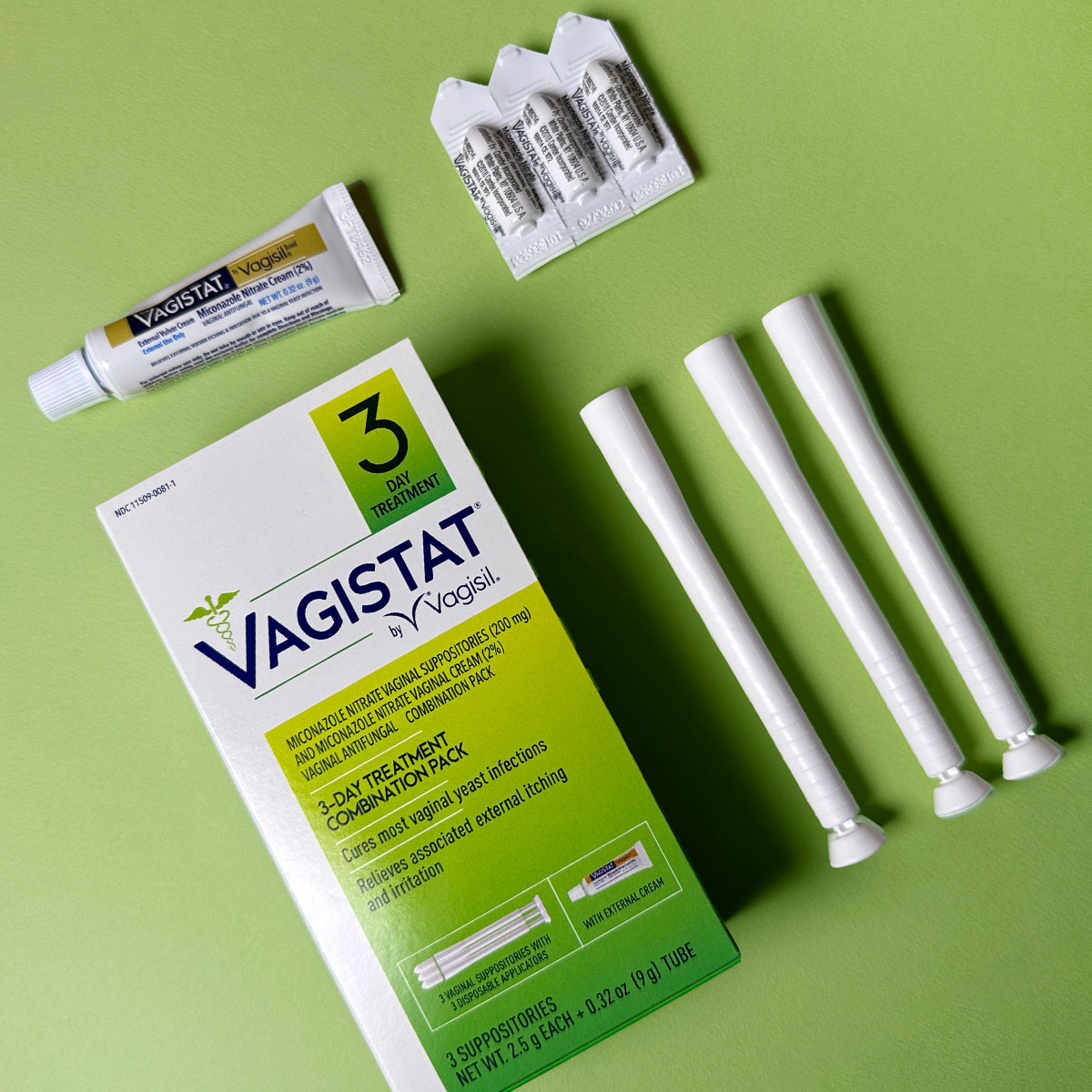
One of the most common treatments for yeast infections is the use of over-the-counter antifungal medications. These medications come in various forms, including creams, ointments, suppositories, and oral tablets. Antifungal medications work by eliminating the excess yeast that causes the infection and restoring the natural balance of microorganisms in the affected area.
Home Remedies
Some individuals may prefer to try home remedies to treat yeast infections. Popular home remedies include probiotics, yogurt with live cultures, coconut oil, tea tree oil, and garlic. While these remedies may provide relief for some people, it’s essential to consult with a healthcare professional before trying them to ensure they are safe and effective.
Prescription Medications
In cases where over-the-counter treatments are ineffective or if the yeast infection is severe or recurrent, a healthcare provider may prescribe prescription-strength antifungal medications. These medications are typically more potent than over-the-counter options and may be necessary for more stubborn infections.
Lifestyle Changes
Alongside medical treatments, making certain lifestyle changes can help prevent yeast infections from recurring. These changes may include maintaining good hygiene practices, wearing breathable cotton underwear, avoiding tight-fitting clothing, reducing sugar intake, and managing stress levels.
Consultation with a Healthcare Provider
If you suspect you have a yeast infection or if you experience persistent symptoms despite trying home remedies or over-the-counter treatments, it’s crucial to seek guidance from a healthcare provider. A healthcare professional can accurately diagnose the infection and recommend an appropriate treatment plan tailored to your specific needs.
Effective Tips for Treating and Preventing Yeast Infections
- 1. Use over-the-counter antifungal creams or suppositories as directed.
- 2. Avoid wearing tight-fitting clothing, especially in the genital area.
- 3. Practice good hygiene by keeping the affected area clean and dry.
- 4. Eat a balanced diet low in sugar to help prevent yeast overgrowth.
- 5. Consider probiotics to help restore the natural balance of bacteria in your body.
- 6. Consult a healthcare provider if symptoms persist or worsen.
1. Use over-the-counter antifungal creams or suppositories as directed.
When treating a yeast infection, it is recommended to use over-the-counter antifungal creams or suppositories as directed by the product instructions. These medications are designed to target the excess yeast causing the infection and restore the natural balance of microorganisms in the affected area. Following the recommended usage guidelines can help alleviate symptoms and promote effective relief.
2. Avoid wearing tight-fitting clothing, especially in the genital area.
To effectively manage yeast infections, it is advisable to heed the tip of avoiding tight-fitting clothing, particularly in the genital region. Tight clothing can create a warm and moist environment that promotes the growth of yeast, exacerbating infection symptoms. Opting for loose, breathable fabrics like cotton can help maintain proper airflow and reduce moisture buildup, aiding in the prevention of yeast infections and supporting the healing process.
3. Practice good hygiene by keeping the affected area clean and dry.
To effectively manage a yeast infection, it is essential to practice good hygiene by ensuring that the affected area is kept clean and dry. Maintaining proper hygiene can help prevent the growth and spread of yeast, reducing discomfort and promoting faster recovery. By regularly washing and drying the affected area, individuals can create an environment less conducive to yeast overgrowth, aiding in the overall treatment process.
4. Eat a balanced diet low in sugar to help prevent yeast overgrowth.
Maintaining a balanced diet low in sugar is a valuable tip for preventing yeast overgrowth and managing yeast infections effectively. High sugar intake can contribute to the growth of yeast in the body, exacerbating infection symptoms. By opting for a diet rich in whole foods and low in sugar, individuals can create an environment less conducive to yeast proliferation, supporting their overall health and well-being.
5. Consider probiotics to help restore the natural balance of bacteria in your body.
Consider incorporating probiotics into your yeast infection treatment regimen as they can aid in restoring the natural balance of bacteria in your body. Probiotics are beneficial microorganisms that can help promote a healthy gut flora, which may play a role in combating yeast infections. By introducing probiotics into your daily routine, you may support your body’s natural defense mechanisms and enhance the effectiveness of other treatment approaches.
6. Consult a healthcare provider if symptoms persist or worsen.
It is advisable to consult a healthcare provider if symptoms of a yeast infection persist or worsen despite attempting home remedies or over-the-counter treatments. Seeking professional medical advice is crucial in such situations to receive an accurate diagnosis and appropriate treatment tailored to your specific condition. Healthcare providers can offer expert guidance and recommend further steps to address the underlying cause of the infection, ensuring effective management and relief from symptoms.
Yeast Infection Treatment Yeast Infection Treatment: Strategies for Relief and Recovery A yeast infection, also known as candidiasis, is a common fungal infection that can affect various parts of the body, including the mouth, throat, skin, and genital areas. While yeast infections are typically not serious, they can cause discomfort and inconvenience. Fortunately, there are…