
Exploring the Timeless Beauty of Impressionist Masterpieces

The Artistic Movement: Impressionism
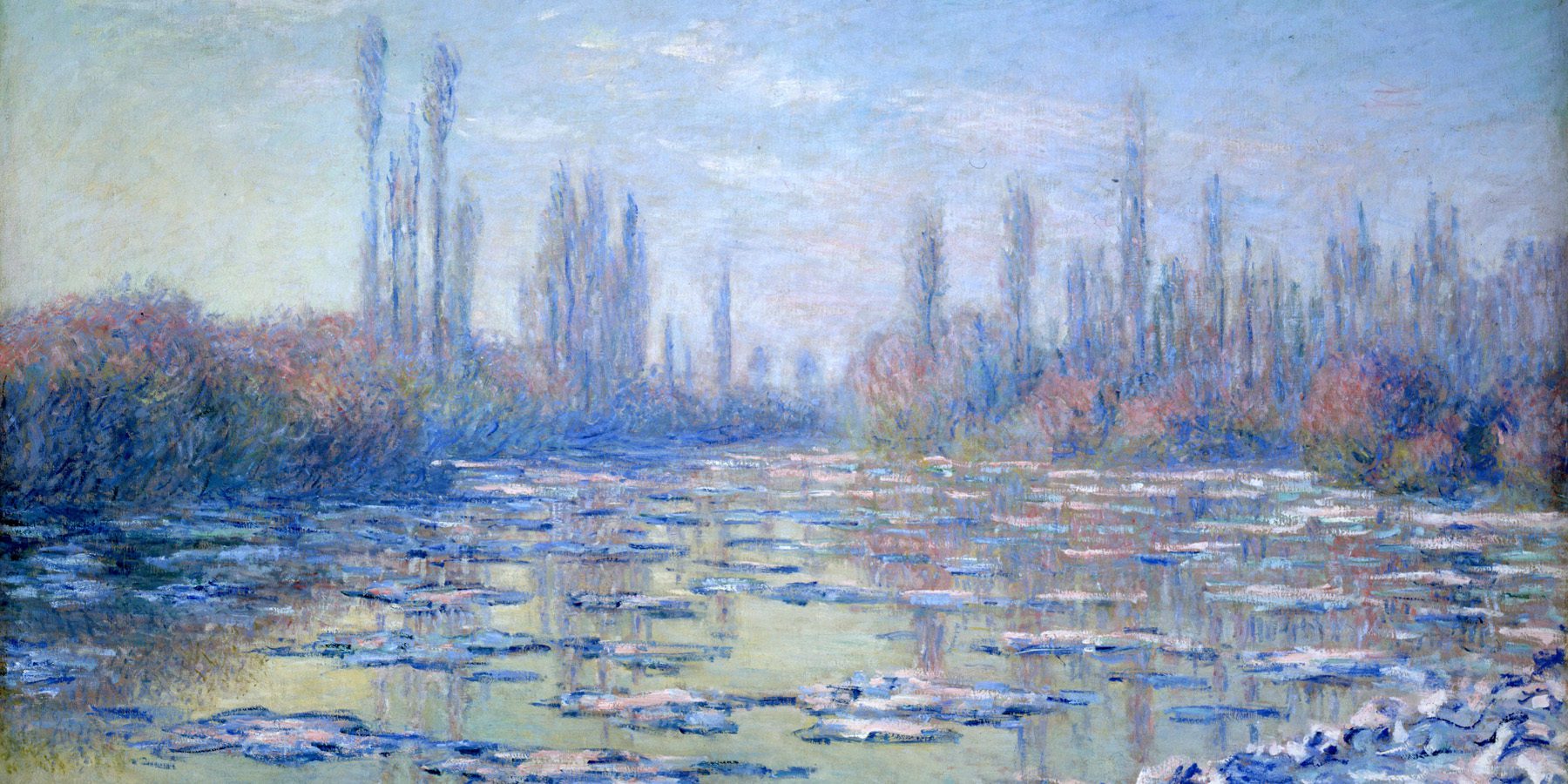
Impressionism, a revolutionary art movement that emerged in the 19th century, has left an indelible mark on the world of art. Characterized by its focus on light, color, and capturing fleeting moments, Impressionism challenged traditional artistic conventions and paved the way for modern art.
The term “Impressionism” was coined from the title of Claude Monet’s painting “Impression, Sunrise,” which epitomized the movement’s emphasis on capturing the essence of a scene rather than its precise details. Artists associated with Impressionism sought to convey their impressions of a subject through loose brushwork, vibrant colors, and an emphasis on light and shadow.
Key figures of the Impressionist movement include renowned artists such as Monet, Edgar Degas, Pierre-Auguste Renoir, and Camille Pissarro. These artists rebelled against the academic standards of their time and instead painted en plein air (outdoors) to capture the effects of natural light on their subjects.
Impressionist works often depict everyday scenes such as landscapes, cityscapes, and leisure activities. The artists’ use of broken brushstrokes and complementary colors created a sense of movement and vibrancy in their paintings, allowing viewers to experience the fleeting moments captured on canvas.
Despite facing criticism initially for their unconventional techniques, Impressionist artists persisted in their pursuit of artistic freedom and expression. Over time, their works gained recognition for their innovative approach to painting and their influence on subsequent art movements.
Today, Impressionism remains a beloved and influential artistic movement that continues to captivate audiences worldwide. Its legacy lives on in galleries and museums around the globe, reminding us of the power of art to evoke emotion, inspire creativity, and transcend boundaries.
Exploring Impressionism: Key Artists, Characteristics, and Historical Impact
- What is Impressionism?
- Who were the key artists of the Impressionist movement?
- What are the characteristics of Impressionist art?
- Why was Impressionism considered revolutionary in the 19th century?
- How did Impressionist artists capture light and shadow in their paintings?
- What inspired the Impressionist movement?
- How did critics initially react to Impressionist art?
- Where can I view famous Impressionist paintings?
What is Impressionism?
Impressionism is an artistic movement that emerged in the 19th century, revolutionizing traditional art conventions. Characterized by its emphasis on capturing fleeting moments, light, and color, Impressionism sought to convey the artist’s immediate impressions of a scene rather than its exact details. Artists like Claude Monet, Edgar Degas, and Pierre-Auguste Renoir were key figures in this movement, challenging academic norms and opting to paint outdoors to capture the effects of natural light. Through their use of loose brushwork and vibrant colors, Impressionist artists created dynamic and immersive works that continue to inspire and captivate audiences today.
Who were the key artists of the Impressionist movement?
The Impressionist movement was defined by a group of pioneering artists who revolutionized the art world with their innovative approach to painting. Some of the key figures of the Impressionist movement include Claude Monet, known for his mastery of light and color in works such as “Water Lilies” and “Impression, Sunrise.” Edgar Degas, celebrated for his depictions of ballet dancers and everyday life scenes, brought a unique perspective to Impressionism. Pierre-Auguste Renoir’s lush brushwork and vibrant colors can be seen in iconic paintings like “Luncheon of the Boating Party,” while Camille Pissarro’s landscapes captured the beauty of rural settings with a fresh, atmospheric quality. Together, these artists and others shaped the course of art history with their bold experimentation and dedication to capturing fleeting moments on canvas.
What are the characteristics of Impressionist art?
Impressionist art is defined by several key characteristics that distinguish it from traditional artistic styles. One prominent feature of Impressionism is its emphasis on capturing the fleeting effects of light and atmosphere. Artists of this movement often painted en plein air to observe and depict the changing qualities of natural light. Additionally, Impressionist works are known for their use of vibrant colors, loose brushwork, and broken brushstrokes that create a sense of movement and spontaneity in the paintings. The focus on everyday scenes, such as landscapes and leisure activities, further sets Impressionism apart, as artists sought to convey their immediate impressions of a subject rather than striving for precise details. Overall, the characteristics of Impressionist art reflect a departure from academic conventions towards a more subjective and expressive approach to painting.
Why was Impressionism considered revolutionary in the 19th century?
Impressionism was considered revolutionary in the 19th century for its groundbreaking departure from traditional artistic norms. The movement challenged the established conventions of academic art by prioritizing the artist’s subjective interpretation of a scene over realistic representation. Impressionist painters sought to capture the fleeting effects of light and atmosphere, using bold brushstrokes and vibrant colors to convey their impressions rather than focusing on precise details. This emphasis on spontaneity and sensory experience marked a significant shift in artistic expression, paving the way for modern art movements and reshaping the way we perceive and appreciate art.
How did Impressionist artists capture light and shadow in their paintings?
Impressionist artists employed innovative techniques to capture light and shadow in their paintings, which set them apart from traditional approaches. By using broken brushstrokes and a vibrant palette of colors, they were able to convey the ever-changing effects of light on their subjects. Instead of blending colors on the palette, Impressionists applied contrasting hues side by side to create a sense of luminosity and movement. This technique allowed them to depict the interplay of light and shadow in a more dynamic and realistic manner, capturing the fleeting moments and atmospheric conditions with remarkable precision. Through their mastery of color and brushwork, Impressionist artists transformed the way we perceive light in art, ushering in a new era of visual expression that continues to inspire audiences today.
What inspired the Impressionist movement?
The Impressionist movement drew inspiration from a variety of sources that revolutionized the art world in the 19th century. One key influence was the desire to break away from traditional artistic conventions and academic standards, leading artists to explore new ways of capturing light, color, and atmosphere in their works. Additionally, the advent of photography challenged artists to find unique ways to depict reality and convey emotion through their paintings. The Impressionists were also inspired by nature, everyday life, and the changing landscapes of urban and rural scenes, which they sought to capture with a sense of immediacy and spontaneity. Overall, a combination of artistic experimentation, societal changes, and a quest for individual expression fueled the innovative spirit that defined the Impressionist movement.
How did critics initially react to Impressionist art?
Critics initially met Impressionist art with skepticism and resistance, as the movement challenged traditional artistic norms of the time. The loose brushwork, unconventional compositions, and emphasis on capturing fleeting moments instead of precise details were seen as a departure from academic standards. Critics often dismissed Impressionist works as unfinished or lacking in technical skill, questioning the legitimacy of this new artistic approach. Despite facing criticism, Impressionist artists persisted in their pursuit of innovation and artistic freedom, eventually gaining recognition for their groundbreaking contributions to the art world.
Where can I view famous Impressionist paintings?
For art enthusiasts eager to view famous Impressionist paintings, there are several renowned museums and galleries around the world that house exceptional collections of works by Impressionist masters. Institutions such as the Musée d’Orsay in Paris, the Metropolitan Museum of Art in New York City, and the National Gallery in London are just a few examples of places where visitors can immerse themselves in the beauty and innovation of Impressionist art. These iconic venues offer a unique opportunity to witness firsthand the brushstrokes, colors, and emotions captured by artists like Monet, Renoir, Degas, and others, providing a truly enriching experience for those seeking to explore this influential artistic movement.
The Artistic Movement: Impressionism The Artistic Movement: Impressionism Impressionism, a revolutionary art movement that emerged in the 19th century, has left an indelible mark on the world of art. Characterized by its focus on light, color, and capturing fleeting moments, Impressionism challenged traditional artistic conventions and paved the way for modern art. The term “Impressionism”…