
The Enigmatic Legacy of Hieronymus Bosch: Unraveling the Mysteries of a Visionary Artist

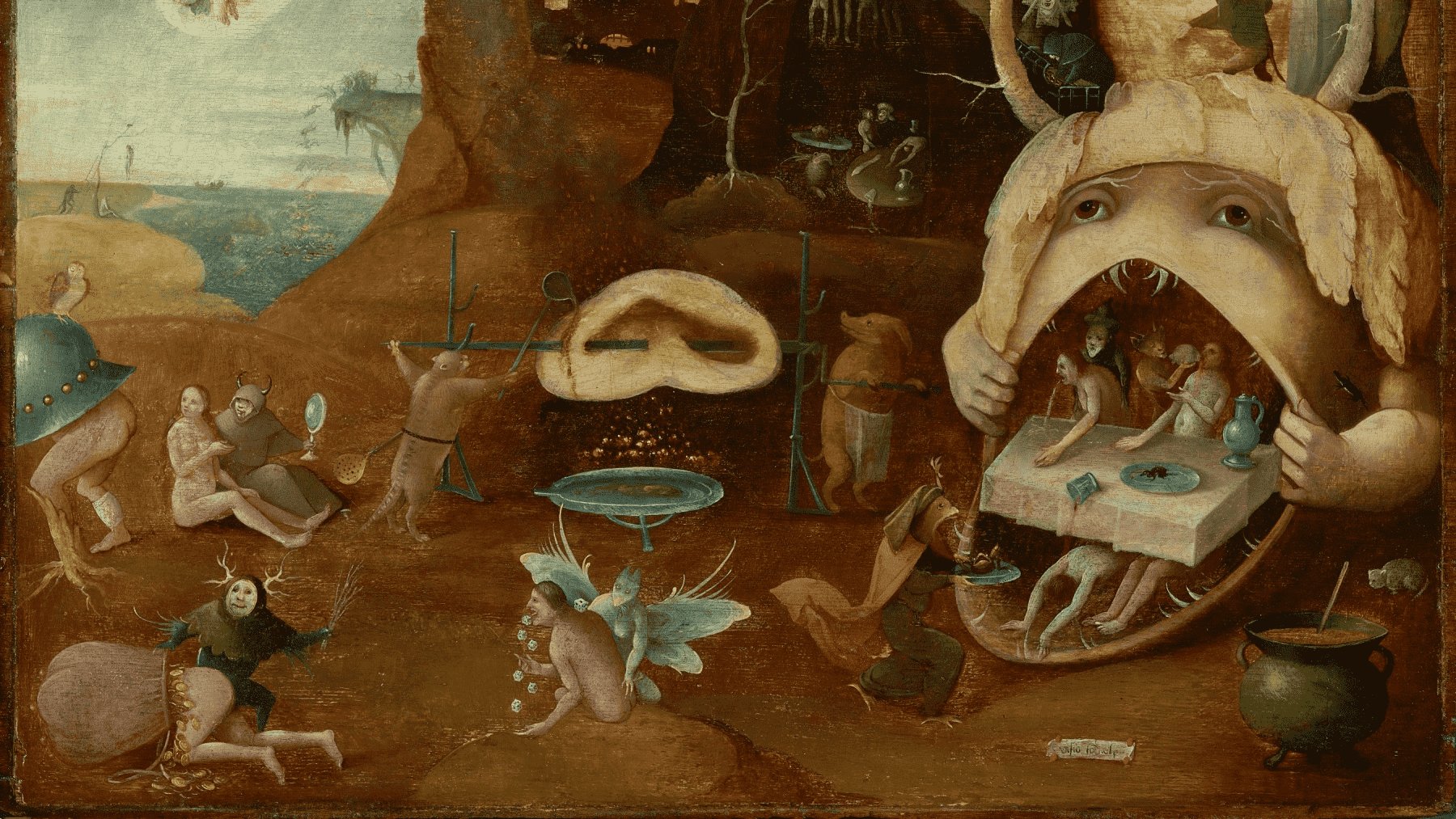
The Enigmatic World of Hieronymus Bosch
Step into the fantastical and often bizarre realm of Hieronymus Bosch, a Dutch painter whose works continue to captivate and mystify art enthusiasts centuries after his time. Born Jheronimus van Aken in the late 15th century in ‘s-Hertogenbosch, Bosch’s artistry transcends traditional boundaries, offering viewers a glimpse into a world where imagination knows no limits.
One of Bosch’s most renowned works is “The Garden of Earthly Delights,” a triptych that depicts scenes of paradise, earthly pleasures, and damnation. The intricate details and surreal imagery in this masterpiece have sparked endless interpretations, with scholars delving into the symbolism and allegorical meanings hidden within each panel.
Bosch’s fascination with the duality of human nature is evident in his depictions of heaven and hell, often intertwined with elements of whimsy and grotesque. His unique style blends religious themes with a touch of the macabre, inviting viewers to contemplate the complexities of sin, redemption, and the afterlife.
Despite the passage of time, Bosch’s works remain as enigmatic as ever, inviting viewers to unravel their mysteries and ponder the deeper truths they may hold. From fantastical creatures to intricate landscapes teeming with symbolism, each painting offers a glimpse into Bosch’s vivid imagination and philosophical musings.
Whether you’re drawn to his moralistic allegories or simply captivated by the sheer creativity on display, exploring Hieronymus Bosch’s oeuvre is sure to be a journey unlike any other. His legacy as a visionary artist continues to inspire generations of creatives and thinkers alike, reminding us that art has the power to transcend boundaries and ignite our imaginations.
So take a moment to immerse yourself in the captivating world of Hieronymus Bosch – where reality blends with fantasy, darkness meets light, and every brushstroke tells a story waiting to be discovered.
Exploring Hieronymus Bosch: Life, Art, Key Works, Themes, and Symbolism
- Who was Hieronymus Bosch?
- When did Hieronymus Bosch live?
- What is Hieronymus Bosch famous for?
- What are some of the key works by Hieronymus Bosch?
- What themes did Hieronymus Bosch explore in his art?
- What is the symbolism behind Hieronymus Bosch’s paintings?
Who was Hieronymus Bosch?
Hieronymus Bosch, also known as Jheronimus van Aken, was a Dutch painter who lived during the late 15th and early 16th centuries in ‘s-Hertogenbosch. He is renowned for his intricate and fantastical artworks that blend religious symbolism with elements of the surreal and macabre. Bosch’s enigmatic style and vivid imagination have made him a celebrated figure in art history, with his works, such as “The Garden of Earthly Delights,” continuing to intrigue and inspire audiences worldwide. Bosch’s unique perspective on human nature, morality, and the afterlife is evident in his paintings, inviting viewers to delve into the depths of his intricate compositions and unravel the mysteries they hold.
When did Hieronymus Bosch live?
Hieronymus Bosch, the renowned Dutch painter, lived during the late 15th and early 16th centuries. Born Jheronimus van Aken in ‘s-Hertogenbosch, Netherlands, Bosch’s exact birthdate remains uncertain, but historical records indicate that he was active as an artist from around 1480 until his death in 1516. This period marked a time of great artistic innovation and cultural flourishing in Europe, with Bosch’s works standing out for their imaginative compositions and intricate symbolism that continue to captivate audiences to this day.
What is Hieronymus Bosch famous for?
Hieronymus Bosch is renowned for his captivating and enigmatic artworks that delve into the depths of human nature and spirituality. He is famous for his intricate and surreal paintings, such as “The Garden of Earthly Delights,” which depict a rich tapestry of symbolic imagery that continues to intrigue and mystify audiences to this day. Bosch’s unique style blends religious themes with fantastical elements, creating a world where the boundaries between reality and imagination blur. His works often explore themes of sin, redemption, and the complexities of the human experience, making him a master of allegorical storytelling through art.
What are some of the key works by Hieronymus Bosch?
Hieronymus Bosch, the renowned Dutch painter of the late 15th century, is celebrated for his captivating and enigmatic works that continue to intrigue art enthusiasts worldwide. Some of the key masterpieces by Bosch include “The Garden of Earthly Delights,” a triptych that delves into themes of paradise, earthly pleasures, and damnation with intricate detail and surreal imagery. Another notable work is “The Haywain Triptych,” which explores the concept of sin and human folly through a complex narrative depicted across three panels. Additionally, “The Temptation of St. Anthony” showcases Bosch’s fascination with fantastical creatures and symbolic representations, inviting viewers to ponder the deeper meanings behind his intricate compositions. Each of these works exemplifies Bosch’s unique style and visionary approach to art, leaving a lasting impression on those who engage with his mesmerizing creations.
What themes did Hieronymus Bosch explore in his art?
Hieronymus Bosch delved into a multitude of themes in his art that continue to intrigue and fascinate viewers to this day. Through his intricate and surreal paintings, Bosch explored themes such as the duality of human nature, the concept of sin and redemption, the fragility of morality, and the complexities of the afterlife. His works often depicted fantastical creatures, bizarre landscapes, and symbolic imagery that invited interpretation and contemplation on topics ranging from spiritual enlightenment to earthly desires. Bosch’s artistry transcended traditional boundaries, offering a unique perspective on the human condition and challenging viewers to delve deeper into the layers of meaning embedded within his masterpieces.
What is the symbolism behind Hieronymus Bosch’s paintings?
Delving into the symbolism behind Hieronymus Bosch’s paintings unveils a rich tapestry of allegory and hidden meanings. Bosch’s intricate artworks are laden with symbolic imagery that invites viewers to decipher a world where every element carries significance. From fantastical creatures symbolizing sin and temptation to surreal landscapes representing the complexities of human nature, Bosch’s use of symbolism transcends mere aesthetics, offering profound insights into morality, spirituality, and the human condition. Each brushstroke and detail in his paintings serves as a gateway to a deeper understanding of his philosophical beliefs and worldview, making the exploration of Bosch’s symbolism a journey filled with intrigue and enlightenment.
The Enigmatic World of Hieronymus Bosch Step into the fantastical and often bizarre realm of Hieronymus Bosch, a Dutch painter whose works continue to captivate and mystify art enthusiasts centuries after his time. Born Jheronimus van Aken in the late 15th century in ‘s-Hertogenbosch, Bosch’s artistry transcends traditional boundaries, offering viewers a glimpse into a…