
Elegance Redefined: Exploring the Timeless Beauty of Art Nouveau

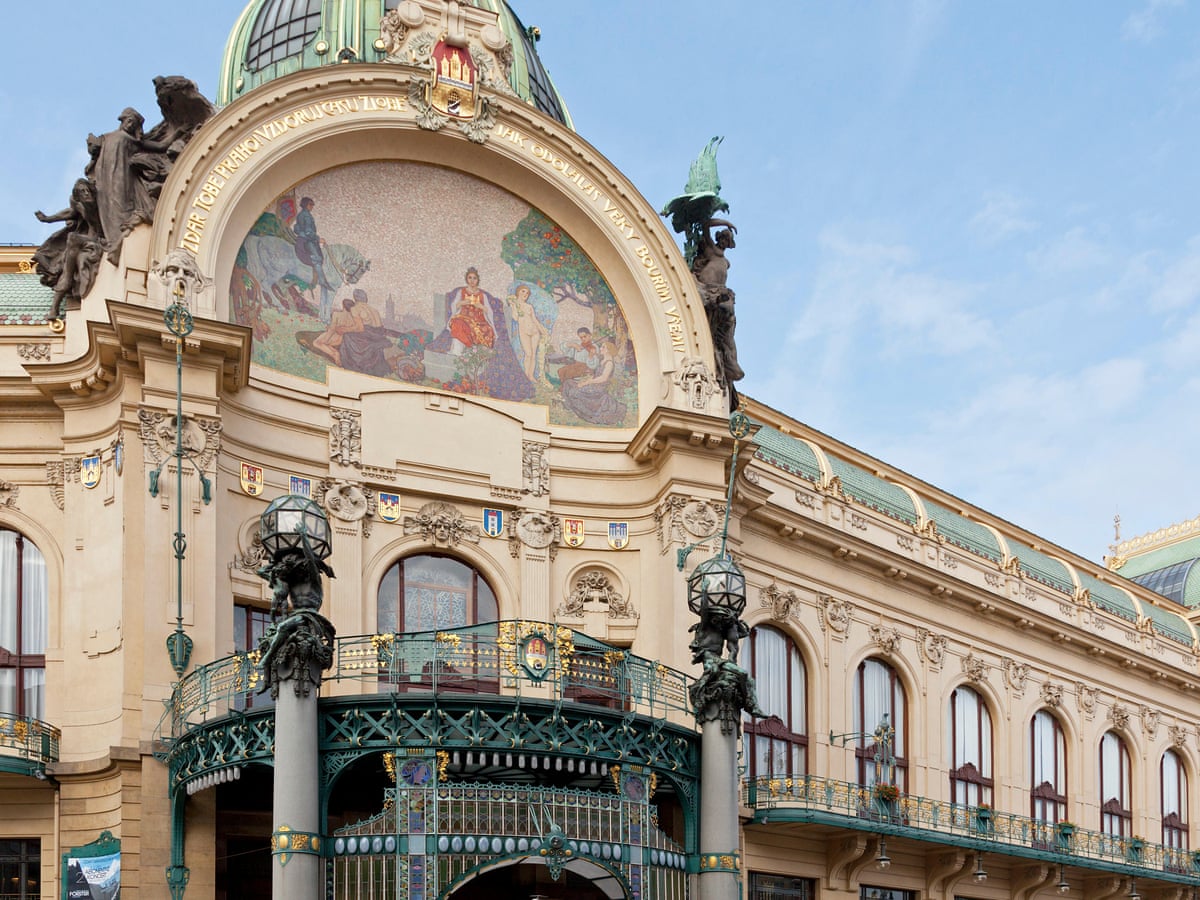
Art Nouveau: A Brief Introduction to the Elegant Style
Art Nouveau, a captivating artistic movement that emerged in the late 19th century, is renowned for its intricate designs, flowing lines, and organic motifs. Originating in Europe, particularly in France and Belgium, Art Nouveau sought to break away from the rigid constraints of academic art and embrace a more fluid and expressive approach.
The term “Art Nouveau,” meaning “new art” in French, encapsulates the innovative spirit of the movement. Artists and designers of the time drew inspiration from nature, incorporating elements such as flowers, plants, and flowing curves into their creations. This emphasis on natural forms gave rise to a sense of harmony and elegance that defined Art Nouveau aesthetics.
One of the key characteristics of Art Nouveau is its focus on total design – encompassing architecture, interior design, furniture, jewellery, and graphic arts. Practitioners of Art Nouveau aimed to create a unified visual environment where every element harmonised with the overall style.
Notable artists associated with Art Nouveau include Alphonse Mucha, known for his iconic posters featuring ethereal women surrounded by intricate floral patterns; Hector Guimard, celebrated for his innovative architectural designs such as the entrances to the Paris Métro stations; and Louis Comfort Tiffany, renowned for his exquisite stained glass creations.
Although Art Nouveau experienced its peak popularity during the late 19th and early 20th centuries, its influence continues to resonate in contemporary art and design. The elegant curves and ornate motifs of Art Nouveau can be seen in modern interpretations that pay homage to this timeless style.
Whether you’re admiring a vintage Art Nouveau piece or exploring a contemporary reinterpretation of this exquisite style, one thing remains clear – Art Nouveau’s enduring legacy as a symbol of beauty, creativity, and innovation in the world of art.
Exploring Art Nouveau: Origins, Influential Artists, Key Characteristics, Architectural Impact, Modern Relevance, and Notable Examples
- What is Art Nouveau and when did it originate?
- Who were some prominent artists associated with the Art Nouveau movement?
- What are the key characteristics of Art Nouveau design?
- How did Art Nouveau influence architecture and interior design?
- Is Art Nouveau still relevant in contemporary art and design?
- Where can I see examples of Art Nouveau artwork and architecture?
What is Art Nouveau and when did it originate?
Art Nouveau, a distinctive artistic style that emerged in the late 19th century, is characterised by its intricate designs, flowing lines, and organic motifs inspired by nature. Originating in Europe, particularly in France and Belgium, Art Nouveau sought to break away from traditional academic art conventions and embrace a more fluid and expressive approach. The term “Art Nouveau,” meaning “new art” in French, encapsulates the movement’s innovative spirit. Artists and designers of the time drew inspiration from natural forms such as flowers and plants, creating a sense of harmony and elegance in their creations. This artistic movement flourished during the late 1800s to the early 1900s, leaving a lasting impact on art, design, and architecture.
Who were some prominent artists associated with the Art Nouveau movement?
The Art Nouveau movement boasted a roster of prominent artists whose innovative works left an indelible mark on the art world. Among these luminaries were Alphonse Mucha, celebrated for his mesmerising posters featuring intricate floral motifs and ethereal figures; Hector Guimard, known for his iconic Art Nouveau entrances to the Paris Métro stations that exemplified the movement’s organic forms and flowing lines; and Louis Comfort Tiffany, renowned for his exquisite stained glass creations that captured the essence of nature in vibrant hues. These artists, along with many others, played a pivotal role in shaping the distinctive style and elegance of Art Nouveau.
What are the key characteristics of Art Nouveau design?
Art Nouveau design is distinguished by its intricate and flowing lines, organic motifs inspired by nature, and a focus on total design that encompasses various art forms such as architecture, interior design, and graphic arts. The style emphasizes harmony and elegance through the incorporation of floral patterns, plant forms, and curvilinear shapes. Art Nouveau artists aimed to create a unified visual environment where every element worked together cohesively. This attention to detail and the integration of natural elements define the key characteristics of Art Nouveau design, making it a timeless and captivating artistic movement that continues to inspire creativity today.
How did Art Nouveau influence architecture and interior design?
Art Nouveau had a profound influence on architecture and interior design, revolutionising the way spaces were conceived and adorned. In architecture, Art Nouveau introduced organic forms, asymmetrical shapes, and decorative embellishments inspired by nature. Buildings designed in the Art Nouveau style often featured intricate facades with flowing lines, ornate ironwork, and colourful mosaics. Interior design also underwent a transformation, with an emphasis on creating harmonious environments that integrated furniture, lighting, and decorative elements into a cohesive whole. The use of curved lines, floral motifs, and rich textures characterised Art Nouveau interiors, bringing a sense of elegance and unity to living spaces. The movement’s innovative approach to architecture and interior design continues to inspire creatives around the world to this day.
Is Art Nouveau still relevant in contemporary art and design?
The question of whether Art Nouveau remains relevant in contemporary art and design is a topic that sparks ongoing debate among artists, designers, and art enthusiasts. While the movement reached its peak popularity in the late 19th and early 20th centuries, its influence continues to resonate in modern creative expressions. Many argue that the elegant curves, organic motifs, and emphasis on total design found in Art Nouveau still inspire and inform contemporary artists and designers. Whether through direct homage or subtle references, elements of Art Nouveau can be seen woven into the fabric of today’s artistic landscape, showcasing its enduring relevance and timeless appeal.
Where can I see examples of Art Nouveau artwork and architecture?
For those seeking to immerse themselves in the beauty of Art Nouveau artwork and architecture, there are several iconic destinations around the world where one can witness the exquisite creations of this elegant style. Cities like Paris, Brussels, and Vienna boast a rich collection of Art Nouveau buildings, including the famous Hôtel Tassel in Brussels and the majestic Castel Béranger in Paris. Museums such as the Musée d’Orsay in Paris and the Victoria and Albert Museum in London also house notable Art Nouveau pieces, offering visitors a glimpse into this captivating artistic movement that continues to inspire awe and admiration.
Art Nouveau: A Brief Introduction to the Elegant Style Art Nouveau: A Brief Introduction to the Elegant Style Art Nouveau, a captivating artistic movement that emerged in the late 19th century, is renowned for its intricate designs, flowing lines, and organic motifs. Originating in Europe, particularly in France and Belgium, Art Nouveau sought to break…