
Journey Through the Heart of Indigenous Art in Australia

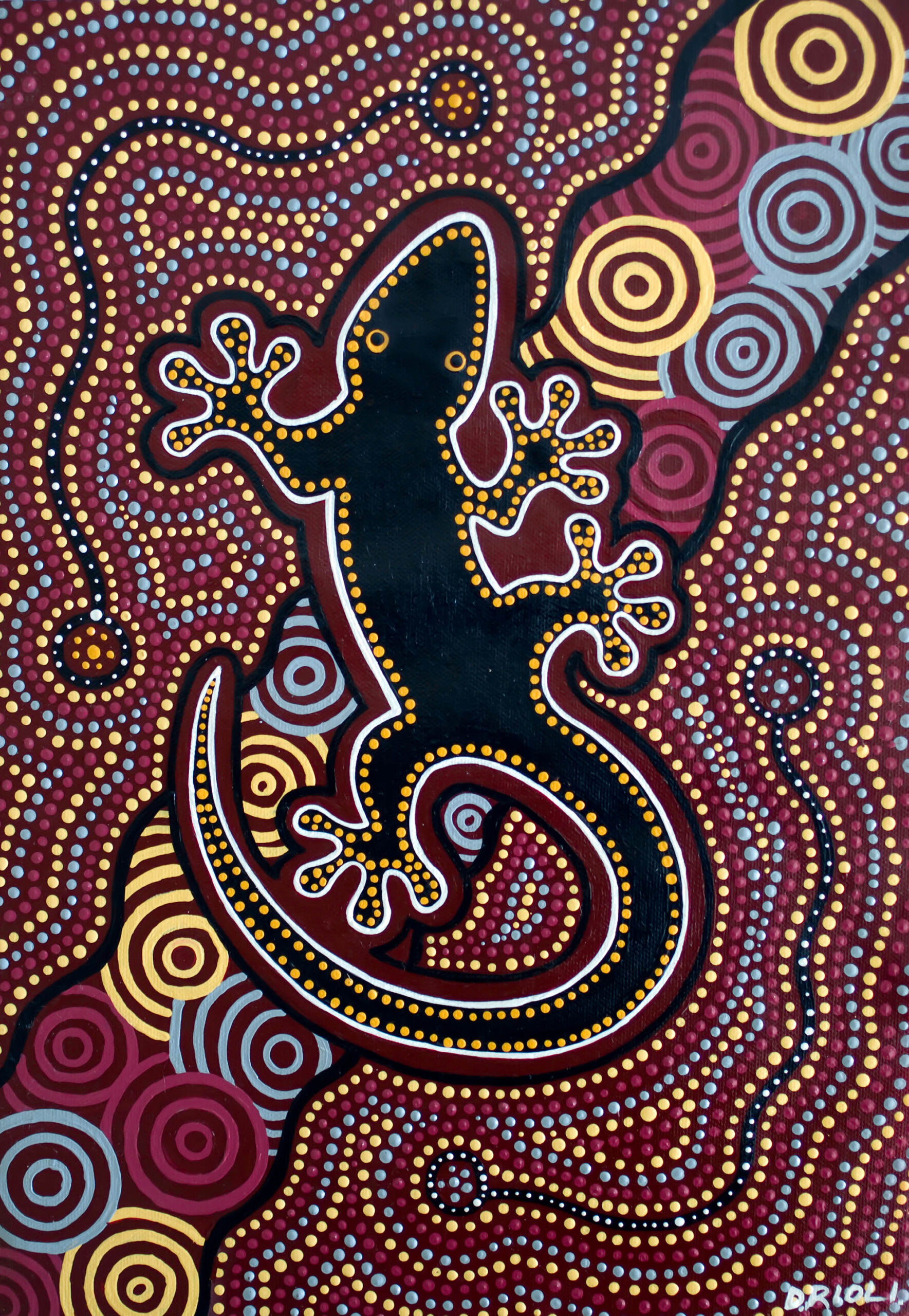
The Rich Cultural Tapestry of Indigenous Art in Australia
Australia’s indigenous art is a vibrant and integral part of the country’s cultural heritage, reflecting the deep connection indigenous peoples have with the land, their traditions, and their stories. With a history dating back tens of thousands of years, indigenous art in Australia encompasses a diverse range of styles, techniques, and meanings that continue to captivate audiences around the world.
One of the most distinctive features of indigenous art is its strong emphasis on storytelling. Through intricate patterns, symbols, and motifs, indigenous artists convey narratives that speak of creation stories, ancestral spirits, and the natural world. Each artwork is a visual representation of cultural knowledge passed down through generations, preserving traditions and histories that might otherwise be lost.
Traditional mediums such as bark painting, rock art, and sand drawing have evolved over time to include contemporary forms like acrylic paintings on canvas, sculptures, and digital art. Despite this evolution, the essence of indigenous art remains rooted in connection – to country, community, and identity.
Indigenous artists often draw inspiration from their surroundings – the vast deserts of Central Australia, the lush rainforests of Far North Queensland, or the coastal regions of Western Australia. The colours used in indigenous art are derived from natural pigments found in the land – ochre reds, earthy browns, vibrant yellows – creating a visual language that speaks to the beauty and diversity of Australia’s landscapes.
Moreover, indigenous art plays a vital role in promoting cultural awareness and understanding. It serves as a means for indigenous peoples to share their stories with the broader community and educate others about their customs and beliefs. Through exhibitions, workshops, and collaborations with non-indigenous artists, indigenous art continues to bridge cultural divides and foster mutual respect.
As we celebrate the richness and diversity of indigenous art in Australia, it is essential to acknowledge the ongoing challenges faced by indigenous artists – from issues of intellectual property rights to fair recognition in the mainstream art world. Supporting indigenous artists by purchasing their works ethically and respectfully engaging with their stories can help ensure that this invaluable cultural heritage thrives for generations to come.
In conclusion,indigenous art stands as a testament to resilience, creativity,and cultural pride, offering us a window into a world steeped in tradition yet ever-evolving. By embracing and honouring this ancient artistic legacy,we not only celebratea rich tapestryof creativity but also affirm our commitmentto preservingcultural diversityand mutual understanding for future generations.
5 Essential Tips for Appreciating and Supporting Indigenous Art
- Respect the cultural significance of indigenous art and its connection to land, stories, and traditions.
- Support indigenous artists by purchasing ethically sourced and authentic pieces directly from them or reputable galleries.
- Educate yourself about the diverse styles, symbols, and meanings found in different indigenous art forms.
- Understand that indigenous art is not just for decorative purposes but often carries deep spiritual and historical significance.
- Acknowledge the ongoing struggles faced by indigenous artists and communities in preserving their cultural heritage through art.
Respect the cultural significance of indigenous art and its connection to land, stories, and traditions.
Respecting the cultural significance of indigenous art is paramount, as it embodies a profound connection to the land, stories, and traditions of Australia’s First Nations peoples. Each artwork carries layers of meaning that reflect centuries-old wisdom and spiritual beliefs, making it essential to approach indigenous art with reverence and understanding. By acknowledging and honouring the deep-rooted ties between indigenous art and its cultural heritage, we not only show respect for the artists and their communities but also contribute to the preservation and appreciation of this invaluable aspect of Australia’s identity.
Support indigenous artists by purchasing ethically sourced and authentic pieces directly from them or reputable galleries.
Supporting indigenous artists by purchasing ethically sourced and authentic pieces directly from them or reputable galleries is a meaningful way to honour their talent, culture, and heritage. By doing so, you not only invest in a unique piece of art but also contribute to the economic empowerment and cultural preservation of indigenous communities. Building direct relationships with artists or buying from trusted galleries ensures that the artists receive fair compensation for their work and that the integrity of their art is maintained. This act of support goes beyond acquiring a beautiful artwork; it becomes a gesture of respect, recognition, and solidarity with indigenous artists and their enduring artistic legacy.
Educate yourself about the diverse styles, symbols, and meanings found in different indigenous art forms.
To truly appreciate the depth and significance of indigenous art, it is essential to educate oneself about the diverse styles, symbols, and meanings found in various indigenous art forms. By delving into the rich tapestry of indigenous artistic expressions, one gains a deeper understanding of the cultural heritage and stories embedded within each artwork. Exploring the nuances of indigenous art not only enriches our aesthetic sensibilities but also fosters a greater respect for the traditions and histories that continue to shape Australia’s artistic landscape.
Understand that indigenous art is not just for decorative purposes but often carries deep spiritual and historical significance.
In appreciating indigenous art, it is crucial to understand that its significance goes beyond mere decoration. Indigenous artworks are imbued with profound spiritual and historical meanings that reflect the artist’s connection to land, culture, and ancestry. Each stroke, symbol, and colour choice in indigenous art conveys a narrative rich in tradition and wisdom, serving as a visual representation of the artist’s heritage and beliefs. By recognising the depth of spiritual and historical significance embedded in indigenous art, we can truly appreciate the layers of meaning and cultural importance inherent in each masterpiece.
Acknowledge the ongoing struggles faced by indigenous artists and communities in preserving their cultural heritage through art.
It is crucial to acknowledge the ongoing struggles faced by indigenous artists and communities in preserving their cultural heritage through art. Indigenous artists often grapple with issues of cultural appropriation, lack of recognition, and economic disparities in the art world. By understanding and supporting these challenges, we can contribute to the preservation and promotion of indigenous art as a vital part of Australia’s rich cultural tapestry.
The Rich Cultural Tapestry of Indigenous Art in Australia Australia’s indigenous art is a vibrant and integral part of the country’s cultural heritage, reflecting the deep connection indigenous peoples have with the land, their traditions, and their stories. With a history dating back tens of thousands of years, indigenous art in Australia encompasses a diverse…