
Decoding LDL Cholesterol: Navigating the Path to Heart Health

The Lowdown on LDL Cholesterol: Understanding the Good and the Bad
Cholesterol is a fatty substance essential for various bodily functions, including cell membrane formation and hormone production. However, not all cholesterol is created equal. Low-density lipoprotein (LDL) cholesterol, often referred to as “bad” cholesterol, plays a significant role in cardiovascular health.
What is LDL Cholesterol?
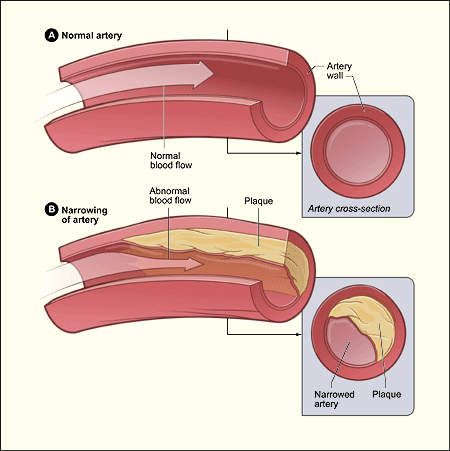
LDL cholesterol is a type of lipoprotein that carries cholesterol from the liver to cells throughout the body. While some LDL cholesterol is necessary for these vital functions, an excess of LDL can lead to a buildup of plaque in the arteries, increasing the risk of heart disease and stroke.
Understanding LDL Levels
Measuring LDL cholesterol levels is crucial in assessing cardiovascular risk. High levels of LDL are associated with an increased risk of atherosclerosis, a condition characterized by the hardening and narrowing of arteries due to plaque buildup.
Managing LDL Cholesterol
Fortunately, lifestyle changes can help lower LDL cholesterol levels and reduce the risk of heart disease. A healthy diet rich in fruits, vegetables, whole grains, and lean proteins can promote heart health. Regular exercise, maintaining a healthy weight, and avoiding smoking are also essential in managing LDL levels.
Medical Interventions
In some cases, medication may be prescribed to lower LDL cholesterol levels. Statins are commonly used to inhibit the production of cholesterol in the liver. Other medications such as PCSK9 inhibitors and bile acid sequestrants may also be recommended based on individual needs.
The Bottom Line
While LDL cholesterol has earned its reputation as “bad” cholesterol, it’s important to remember that it serves vital functions in the body. By understanding how to manage LDL levels through lifestyle modifications and medical interventions when necessary, individuals can take proactive steps towards maintaining heart health and overall well-being.
Understanding LDL Cholesterol: Key Questions and Answers for Optimal Health
- What should my LDL be for my age?
- What does it mean when LDL is high?
- Is 3.4 LDL cholesterol high?
- What range of LDL is bad?
- What is a normal LDL level?
What should my LDL be for my age?
Determining the ideal LDL cholesterol level for a specific age group can vary based on individual health factors and risk profiles. Generally, healthcare providers recommend that adults aim for an LDL cholesterol level below 100 mg/dL (2.59 mmol/L) to reduce the risk of heart disease and stroke. However, it’s essential to consult with a healthcare professional to assess your unique health status, medical history, and lifestyle factors when setting LDL cholesterol targets tailored to your age and overall cardiovascular risk. Regular monitoring and proactive management of LDL levels through healthy lifestyle choices and, if needed, medical interventions can help maintain optimal heart health across different stages of life.
What does it mean when LDL is high?
When LDL cholesterol levels are high, it indicates an increased risk of cardiovascular issues such as heart disease and stroke. High levels of LDL cholesterol can lead to the buildup of plaque in the arteries, a condition known as atherosclerosis. This buildup narrows the arteries, restricting blood flow and increasing the risk of heart attacks and strokes. It is essential to monitor LDL cholesterol levels regularly and take proactive steps through lifestyle changes and, if necessary, medical interventions to lower high LDL levels and reduce the risk of cardiovascular complications.
Is 3.4 LDL cholesterol high?
In the context of LDL cholesterol levels, a measurement of 3.4 mmol/L would typically be considered within the desirable range for most individuals. However, it’s essential to note that ideal LDL cholesterol levels can vary based on individual health factors and overall cardiovascular risk. While 3.4 mmol/L falls within a healthy range, it’s always advisable to consult with a healthcare provider for a comprehensive assessment of your lipid profile and personalized recommendations for maintaining optimal heart health. Regular monitoring and lifestyle modifications can help ensure that LDL cholesterol remains at an appropriate level to support overall well-being.
What range of LDL is bad?
In terms of LDL cholesterol levels, it is generally considered that an LDL level above 130 milligrams per deciliter (mg/dL) is considered high and may increase the risk of heart disease. However, the ideal LDL cholesterol range can vary depending on individual health factors and overall cardiovascular risk. It is recommended to consult with a healthcare provider to determine the specific LDL cholesterol target that is appropriate for each person’s unique health profile. Regular monitoring of LDL levels and implementing lifestyle changes or medical interventions as needed can help manage LDL cholesterol effectively and reduce the risk of heart-related complications.
What is a normal LDL level?
When it comes to LDL cholesterol levels, what is considered normal can vary based on individual health factors. In general, a desirable LDL level is typically below 100 mg/dL (milligrams per deciliter). However, healthcare providers may recommend different target levels based on a person’s overall cardiovascular risk profile. It’s essential to consult with a healthcare professional to determine the ideal LDL cholesterol goal tailored to your specific health needs and circumstances. Regular monitoring and proactive management of LDL levels play a crucial role in promoting heart health and reducing the risk of cardiovascular diseases.
The Lowdown on LDL Cholesterol: Understanding the Good and the Bad Cholesterol is a fatty substance essential for various bodily functions, including cell membrane formation and hormone production. However, not all cholesterol is created equal. Low-density lipoprotein (LDL) cholesterol, often referred to as “bad” cholesterol, plays a significant role in cardiovascular health. What is LDL…