
Decoding the Complexities of Metabolic Syndrome: A Guide to Understanding and Prevention

The Silent Threat: Understanding Metabolic Syndrome
Metabolic syndrome is a cluster of conditions that occur together, increasing the risk of heart disease, stroke, and type 2 diabetes. This silent threat often goes unnoticed due to its lack of prominent symptoms, but its consequences can be severe if left unaddressed.
What is Metabolic Syndrome?
Metabolic syndrome is characterized by a combination of factors that include high blood pressure, high blood sugar levels, excess body fat around the waist, and abnormal cholesterol levels. When these conditions coexist, they significantly raise the risk of cardiovascular diseases and other health complications.
Causes and Risk Factors
The exact cause of metabolic syndrome is not fully understood, but several factors contribute to its development. These include obesity, physical inactivity, insulin resistance, and genetic predisposition. Lifestyle choices such as poor diet and lack of exercise also play a significant role in increasing the risk of metabolic syndrome.
Symptoms
One of the challenging aspects of metabolic syndrome is that it often presents no noticeable symptoms. Individuals may not realize they have the condition until they experience serious health issues such as a heart attack or stroke. Regular health check-ups are crucial for early detection and management of metabolic syndrome.
Prevention and Management
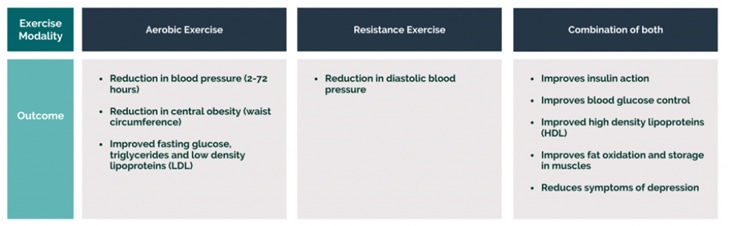
While metabolic syndrome can be daunting, it is largely preventable through lifestyle modifications. Adopting a healthy diet rich in fruits, vegetables, whole grains, and lean proteins can help control weight and improve overall health. Regular physical activity is also essential in managing metabolic syndrome.
Treatment Options
Treatment for metabolic syndrome typically involves addressing each component individually. This may include medications to control blood pressure, blood sugar levels, and cholesterol. Lifestyle changes remain a cornerstone in managing metabolic syndrome effectively.
Conclusion
Metabolic syndrome may be silent in its onset but carries significant risks if left unchecked. By understanding the factors contributing to this condition and taking proactive steps towards a healthier lifestyle, individuals can reduce their risk and improve their overall well-being. Awareness and early intervention are key in combating this modern health challenge.
Eight Benefits of Understanding Metabolic Syndrome: Empowering Health and Lifestyle Choices
- Increased awareness of lifestyle choices and their impact on health
- Encourages regular health check-ups for early detection of underlying conditions
- Promotes healthy diet and exercise habits to manage weight and improve overall well-being
- Raises awareness about the risks associated with obesity and sedentary lifestyles
- Provides opportunities for proactive management of cardiovascular risk factors
- Emphasizes the importance of monitoring blood pressure, blood sugar levels, and cholesterol
- Supports a holistic approach to health by addressing multiple risk factors simultaneously
- Motivates individuals to take charge of their health and make positive changes
Challenges of Metabolic Syndrome: Heightened Health Risks, Long-Term Medication, and Delayed Diagnosis
- Metabolic syndrome increases the risk of developing serious health conditions such as heart disease, stroke, and type 2 diabetes.
- Individuals with metabolic syndrome may require long-term medication to manage their blood pressure, blood sugar levels, and cholesterol.
- The lack of noticeable symptoms in the early stages of metabolic syndrome can lead to delayed diagnosis and potentially severe health complications.
Increased awareness of lifestyle choices and their impact on health
One significant advantage of metabolic syndrome is the increased awareness it brings to the impact of lifestyle choices on health. By highlighting the connection between factors such as diet, exercise, and overall well-being, individuals are encouraged to make positive changes to improve their health outcomes. This heightened awareness can empower people to take control of their lifestyle habits, leading to better choices that not only manage metabolic syndrome but also promote long-term health and wellness.
Encourages regular health check-ups for early detection of underlying conditions
One notable advantage of metabolic syndrome is that it encourages individuals to prioritize regular health check-ups for the early detection of underlying conditions. By raising awareness about the importance of monitoring blood pressure, blood sugar levels, and cholesterol, metabolic syndrome prompts proactive healthcare practices that can lead to timely interventions and improved management of potential health risks. This emphasis on preventive care not only helps in identifying issues at an early stage but also empowers individuals to take control of their health and well-being.
Promotes healthy diet and exercise habits to manage weight and improve overall well-being
Promoting healthy diet and exercise habits to manage weight and improve overall well-being is a significant pro of metabolic syndrome. By encouraging individuals to adopt nutritious eating patterns and engage in regular physical activity, metabolic syndrome serves as a catalyst for positive lifestyle changes. These habits not only help in managing the condition effectively but also contribute to long-term health benefits, such as weight control, improved cardiovascular health, and enhanced overall well-being. Emphasizing the importance of a balanced diet and regular exercise, metabolic syndrome encourages individuals to take charge of their health and make sustainable choices that lead to a healthier life.
Raises awareness about the risks associated with obesity and sedentary lifestyles
Metabolic syndrome serves as a crucial pro by raising awareness about the risks linked to obesity and sedentary lifestyles. By highlighting the connection between these factors and the development of metabolic syndrome, individuals are encouraged to take proactive steps towards maintaining a healthy weight and incorporating physical activity into their daily routines. This increased awareness not only helps in preventing metabolic syndrome but also promotes overall health and well-being, fostering a culture of informed choices and positive lifestyle changes.
Provides opportunities for proactive management of cardiovascular risk factors
One significant advantage of metabolic syndrome is that it offers opportunities for proactive management of cardiovascular risk factors. By identifying and addressing the various components of metabolic syndrome, such as high blood pressure, abnormal cholesterol levels, and excess body fat, individuals can take targeted steps to reduce their risk of heart disease and stroke. This proactive approach empowers individuals to make lifestyle changes, seek appropriate medical interventions, and adopt healthy habits that can significantly improve their cardiovascular health outcomes in the long run.
Emphasizes the importance of monitoring blood pressure, blood sugar levels, and cholesterol
One significant advantage of metabolic syndrome is that it underscores the critical importance of monitoring key health indicators such as blood pressure, blood sugar levels, and cholesterol. By regularly tracking these parameters, individuals with metabolic syndrome can gain valuable insights into their overall health status and take proactive measures to prevent potential complications. This emphasis on monitoring serves as a proactive approach to managing one’s health and can lead to early detection of any abnormalities, enabling timely interventions to maintain optimal well-being.
Supports a holistic approach to health by addressing multiple risk factors simultaneously
Supporting a holistic approach to health, metabolic syndrome addresses multiple risk factors simultaneously, emphasizing the interconnected nature of our well-being. By recognizing the interplay between high blood pressure, elevated blood sugar levels, excess body fat, and abnormal cholesterol levels, managing metabolic syndrome encourages individuals to take a comprehensive approach to their health. This integrated strategy not only improves physical health but also promotes overall wellness and longevity by targeting various aspects of one’s lifestyle and physiology concurrently.
Motivates individuals to take charge of their health and make positive changes
Metabolic syndrome, in a surprising twist, can serve as a powerful motivator for individuals to proactively take charge of their health and instigate positive changes. The realization of being at risk for serious health conditions can prompt individuals to reevaluate their lifestyle choices, leading them to adopt healthier habits such as regular exercise, balanced nutrition, and overall wellness practices. This newfound awareness and motivation can empower individuals to make meaningful changes that not only address the components of metabolic syndrome but also contribute to their long-term health and well-being.
Metabolic syndrome increases the risk of developing serious health conditions such as heart disease, stroke, and type 2 diabetes.
Metabolic syndrome poses a significant health risk by elevating the likelihood of developing severe conditions like heart disease, stroke, and type 2 diabetes. The interplay of factors within metabolic syndrome, including high blood pressure, abnormal cholesterol levels, and insulin resistance, creates a perfect storm for these life-threatening illnesses to manifest. Individuals with metabolic syndrome must remain vigilant in managing their health to mitigate the potential consequences and safeguard their well-being against these formidable adversaries.
Individuals with metabolic syndrome may require long-term medication to manage their blood pressure, blood sugar levels, and cholesterol.
One significant drawback of metabolic syndrome is that individuals diagnosed with this condition may face the necessity of long-term medication to control their blood pressure, blood sugar levels, and cholesterol. This reliance on medication can pose challenges such as potential side effects, financial burden, and the need for consistent adherence to treatment regimens. Managing multiple medications over an extended period can be demanding and may impact the individual’s quality of life. It underscores the importance of preventive measures and lifestyle changes in addressing metabolic syndrome to reduce the reliance on pharmacological interventions.
The lack of noticeable symptoms in the early stages of metabolic syndrome can lead to delayed diagnosis and potentially severe health complications.
The insidious nature of metabolic syndrome lies in its lack of noticeable symptoms during the early stages, which can result in delayed diagnosis and potentially severe health complications. Individuals may unknowingly carry the risk factors associated with metabolic syndrome, such as high blood pressure, elevated blood sugar levels, and abnormal cholesterol levels, without experiencing any overt signs of the condition. This silent progression underscores the importance of regular health screenings and awareness to detect metabolic syndrome early on and prevent its devastating consequences on cardiovascular health and overall well-being.
The Silent Threat: Understanding Metabolic Syndrome Metabolic syndrome is a cluster of conditions that occur together, increasing the risk of heart disease, stroke, and type 2 diabetes. This silent threat often goes unnoticed due to its lack of prominent symptoms, but its consequences can be severe if left unaddressed. What is Metabolic Syndrome? Metabolic syndrome…