
Tackling the Challenges of Tuberculosis (TB): A Global Health Perspective

The Lowdown on Tuberculosis (TB)
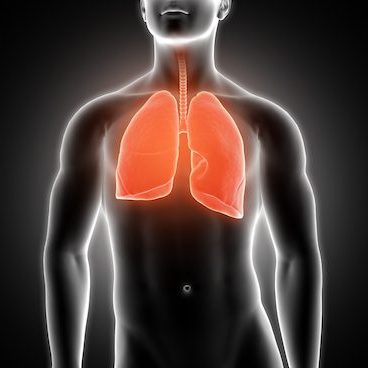
Tuberculosis, commonly known as TB, is a bacterial infection that primarily affects the lungs but can also target other parts of the body. Caused by the bacterium Mycobacterium tuberculosis, TB is a contagious disease that spreads through the air when an infected person coughs or sneezes.
One of the oldest known infectious diseases in history, TB continues to be a significant global health concern. According to the World Health Organization (WHO), TB remains one of the top 10 causes of death worldwide, with millions of new cases reported each year.
Symptoms and Diagnosis
The symptoms of TB can vary depending on which part of the body is affected. Common signs include a persistent cough that lasts for more than three weeks, chest pain, coughing up blood or phlegm, fatigue, weight loss, fever, and night sweats.
Diagnosing TB typically involves a combination of medical history assessment, physical examination, imaging tests such as chest X-rays, and laboratory tests to detect the presence of the bacteria in sputum samples or other bodily fluids.
Treatment and Prevention
Fortunately, TB is treatable and curable with appropriate medication. The standard treatment for active TB involves a course of antibiotics taken over several months to ensure complete eradication of the bacteria. It’s crucial for patients to adhere to their treatment regimen to prevent drug resistance and recurrence.
Preventing TB involves various strategies such as vaccination with the Bacille Calmette-Guérin (BCG) vaccine in countries where it’s recommended, early detection and treatment of active cases to limit transmission, and infection control measures in healthcare settings and communities.
Global Impact
While progress has been made in combatting TB through improved diagnosis and treatment strategies, challenges remain in addressing issues such as drug-resistant strains of the bacteria and access to healthcare services in underserved regions. Efforts to eliminate TB as a public health threat require coordinated action at local, national, and international levels.
As research continues to advance our understanding of TB and its complexities, raising awareness about the disease and promoting preventive measures are key steps towards reducing its burden on individuals and communities worldwide.
Understanding Tuberculosis: Key Questions Answered
- What is tuberculosis (TB)?
- How is tuberculosis transmitted?
- What are the symptoms of TB?
- How is TB diagnosed?
- Is tuberculosis curable?
- What are the treatment options for TB?
- Is there a vaccine for tuberculosis?
- How can I prevent contracting TB?
- What is the global impact of tuberculosis?
What is tuberculosis (TB)?
Tuberculosis (TB) is a contagious bacterial infection caused by Mycobacterium tuberculosis that primarily affects the lungs but can also impact other parts of the body. It is transmitted through the air when an infected person coughs or sneezes, making it a significant global health concern. TB is characterized by symptoms such as a persistent cough, chest pain, weight loss, fatigue, and fever. Early diagnosis and treatment with antibiotics are crucial in managing TB effectively and preventing its spread to others. Awareness about TB and its transmission mechanisms plays a vital role in controlling the disease and reducing its impact on individuals and communities.
How is tuberculosis transmitted?
Tuberculosis, commonly known as TB, is primarily transmitted through the air when an infected individual coughs, sneezes, or talks. The bacteria that cause TB can be expelled into the air in tiny droplets, which can then be inhaled by others nearby. Close and prolonged contact with an infected person increases the risk of transmission. While TB is contagious, it’s important to note that not everyone who is exposed to the bacteria will develop active TB disease. Understanding how TB is transmitted underscores the importance of early detection, treatment, and infection control measures to prevent its spread within communities and healthcare settings.
What are the symptoms of TB?
Tuberculosis (TB) manifests with a range of symptoms that can vary depending on the affected area of the body. Common symptoms of TB include a persistent cough lasting more than three weeks, chest pain, coughing up blood or phlegm, fatigue, unexplained weight loss, fever, and night sweats. Recognizing these signs is crucial for early detection and prompt treatment of TB. If you experience any of these symptoms or have been in close contact with someone diagnosed with TB, it’s important to seek medical attention for proper evaluation and care.
How is TB diagnosed?
Diagnosing tuberculosis (TB) typically involves a series of steps to confirm the presence of the infection. Healthcare providers often begin by conducting a thorough medical history assessment and physical examination to evaluate symptoms such as persistent cough, chest pain, weight loss, and fever. Imaging tests like chest X-rays may be performed to assess lung involvement. Laboratory tests play a crucial role in diagnosing TB, with sputum samples or other bodily fluids being analyzed for the presence of Mycobacterium tuberculosis bacteria. In some cases, additional tests such as blood tests or skin tests may be recommended to aid in the diagnosis process. Early and accurate diagnosis of TB is essential for timely treatment initiation and preventing further transmission of the disease.
Is tuberculosis curable?
Tuberculosis, commonly known as TB, is indeed a curable disease. With appropriate treatment using a combination of antibiotics over a specified period, most cases of TB can be effectively cured. It is crucial for individuals diagnosed with TB to adhere strictly to their prescribed treatment regimen to ensure successful recovery and prevent the development of drug-resistant strains. Early detection, prompt intervention, and consistent medical follow-up are essential in the management of TB to achieve positive outcomes and reduce the risk of transmission to others.
What are the treatment options for TB?
When it comes to treating tuberculosis (TB), several options are available to combat this infectious disease effectively. The standard treatment for active TB involves a combination of antibiotics taken over a period of several months to ensure the complete eradication of the bacteria. These antibiotics are prescribed based on the strain of TB and may include medications such as isoniazid, rifampicin, ethambutol, and pyrazinamide. It is crucial for individuals diagnosed with TB to adhere strictly to their treatment regimen to prevent drug resistance and ensure successful recovery. In cases of drug-resistant TB, alternative medications and longer treatment durations may be necessary, highlighting the importance of seeking medical advice from healthcare professionals experienced in managing TB infections.
Is there a vaccine for tuberculosis?
In response to the frequently asked question, “Is there a vaccine for tuberculosis?” Yes, there is a vaccine available for tuberculosis called the Bacille Calmette-Guérin (BCG) vaccine. The BCG vaccine is commonly administered in countries where TB is prevalent, especially to infants and young children. While the BCG vaccine is known to provide some protection against severe forms of TB in children, its effectiveness in preventing the transmission of the disease among adults varies. It’s important to note that the BCG vaccine does not offer full immunity against TB, but it remains a valuable tool in global efforts to control and reduce the impact of this infectious disease.
How can I prevent contracting TB?
To prevent contracting tuberculosis (TB), it is essential to practice good respiratory hygiene and take proactive measures to reduce the risk of exposure to the bacteria. This includes maintaining good ventilation in living and work spaces, avoiding close contact with individuals known to have active TB, and following proper infection control protocols in healthcare settings. Additionally, getting vaccinated with the Bacille Calmette-Guérin (BCG) vaccine in regions where it is recommended can provide some level of protection against TB. Regular screening for TB, especially for high-risk individuals such as healthcare workers or those living in areas with a high prevalence of the disease, can help in early detection and prompt treatment if necessary. By staying informed about TB prevention strategies and adopting healthy habits, individuals can significantly lower their chances of contracting this infectious disease.
What is the global impact of tuberculosis?
The global impact of tuberculosis (TB) is profound, with the disease remaining a significant public health challenge worldwide. TB affects millions of people each year, causing substantial morbidity and mortality, particularly in low- and middle-income countries. The socioeconomic burden of TB is substantial, as it not only impacts individuals’ health but also hinders economic development and productivity. The emergence of drug-resistant strains further complicates efforts to control the disease on a global scale. Addressing the global impact of TB requires concerted efforts in prevention, diagnosis, treatment, and research to reduce its prevalence and improve outcomes for those affected by this persistent infectious disease.
The Lowdown on Tuberculosis (TB) Tuberculosis, commonly known as TB, is a bacterial infection that primarily affects the lungs but can also target other parts of the body. Caused by the bacterium Mycobacterium tuberculosis, TB is a contagious disease that spreads through the air when an infected person coughs or sneezes. One of the oldest…