
Navigating the Challenges of Postpartum Depression: A Guide for New Mothers in Australia

Understanding Postpartum Depression
Bringing a new life into the world is often portrayed as a time of joy and celebration. However, for some new mothers, the period following childbirth can be marked by overwhelming feelings of sadness, anxiety, and despair. This condition is known as postpartum depression.
Postpartum depression is not simply feeling “baby blues” or being tired from lack of sleep. It is a serious mental health condition that can affect a mother’s ability to care for herself and her baby. Symptoms may include persistent feelings of sadness, hopelessness, irritability, loss of interest in activities once enjoyed, changes in appetite or sleep patterns, and difficulty bonding with the baby.
It’s important to recognise that postpartum depression is not a sign of weakness or failure as a mother. It can affect women from all walks of life and is believed to be caused by a combination of hormonal changes, genetic predisposition, and psychological factors.
If left untreated, postpartum depression can have serious consequences for both the mother and her child. It can interfere with maternal-infant bonding, lead to developmental delays in the child, and even put the mother at risk for self-harm or suicide.
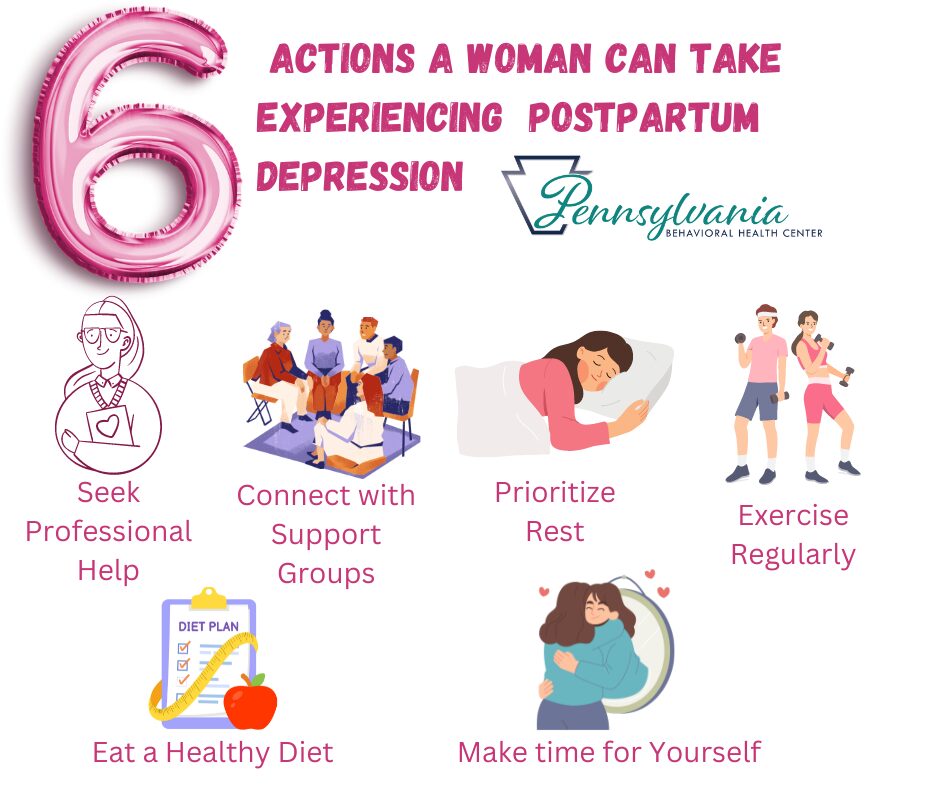
Fortunately, postpartum depression is highly treatable with a combination of therapy, support groups, medication, and lifestyle changes. Seeking help from healthcare professionals and loved ones is crucial for recovery.
For new mothers experiencing symptoms of postpartum depression, it’s essential to reach out for support and know that they are not alone. By raising awareness about this condition and breaking the stigma surrounding mental health issues in motherhood, we can create a more understanding and supportive environment for all mothers.
Understanding Postpartum Depression: Key Questions Answered
- What is postpartum depression?
- What are the symptoms of postpartum depression?
- How common is postpartum depression?
- What causes postpartum depression?
- How is postpartum depression diagnosed?
- What are the risk factors for developing postpartum depression?
- Can postpartum depression affect the baby?
- How is postpartum depression treated?
What is postpartum depression?
Postpartum depression, often asked about by new mothers and their families, is a mental health condition that can affect women after giving birth. It goes beyond the typical “baby blues” and involves persistent feelings of sadness, anxiety, and hopelessness that can interfere with daily life and bonding with the newborn. Recognising the signs of postpartum depression is crucial for seeking help and support from healthcare professionals and loved ones. By understanding what postpartum depression entails, we can better address the challenges faced by new mothers and work towards promoting mental well-being during this important phase of life.
What are the symptoms of postpartum depression?
Postpartum depression manifests through a range of symptoms that can significantly impact a new mother’s well-being. These symptoms may include persistent feelings of sadness, hopelessness, or emptiness, accompanied by overwhelming anxiety or irritability. Changes in appetite and sleep patterns, as well as difficulty bonding with the newborn, are common signs to watch for. Fatigue, loss of interest in once-enjoyed activities, and thoughts of self-harm or worthlessness are also indicators of postpartum depression. It’s crucial for new mothers to be aware of these symptoms and seek support if they experience any concerning signs to ensure their mental health and overall well-being.
How common is postpartum depression?
Postpartum depression is more common than many people realise, affecting around 1 in 7 women after giving birth. This means that a significant number of new mothers experience this condition, highlighting the importance of awareness and support systems in place to address it. Recognising the prevalence of postpartum depression is crucial in normalising conversations around maternal mental health and ensuring that affected individuals receive the care and understanding they need during this vulnerable period.
What causes postpartum depression?
Postpartum depression can be triggered by a combination of factors, including hormonal changes, genetic predisposition, and psychological stressors. The sudden drop in hormones after childbirth, particularly estrogen and progesterone, is believed to play a significant role in the development of postpartum depression. Additionally, women with a personal or family history of depression or anxiety may be more susceptible to experiencing postpartum depression. The challenges of adjusting to motherhood, sleep deprivation, relationship issues, and lack of social support can also contribute to the onset of this condition. It’s important to recognise that postpartum depression is a complex interplay of biological and environmental factors that require understanding and support for effective management.
How is postpartum depression diagnosed?
Diagnosing postpartum depression involves a healthcare provider conducting a thorough evaluation that typically includes a discussion of the mother’s symptoms, medical history, and any potential risk factors. Screening tools such as questionnaires may also be used to assess the severity of symptoms and determine the presence of postpartum depression. It’s essential for healthcare professionals to consider both the emotional and physical well-being of the mother during this evaluation process to ensure an accurate diagnosis. Seeking help early and being open about one’s feelings is crucial in getting the necessary support and treatment for postpartum depression.
What are the risk factors for developing postpartum depression?
Several risk factors can contribute to the development of postpartum depression in new mothers. These factors include a history of depression or anxiety, lack of a strong support system, experiencing stressful life events during pregnancy or after childbirth, hormonal changes, difficulties with breastfeeding, and sleep deprivation. Additionally, having a baby with health issues or facing challenges in the mother-infant relationship can also increase the likelihood of developing postpartum depression. It’s important for healthcare providers and loved ones to be aware of these risk factors and provide appropriate support and resources to help prevent and address postpartum depression in new mothers.
Can postpartum depression affect the baby?
Postpartum depression can indeed have a significant impact on the baby. When a mother experiences postpartum depression, it can affect her ability to bond with and care for her child effectively. This may lead to disruptions in the mother-infant relationship, potentially hindering the baby’s emotional and cognitive development. Studies have shown that infants of mothers with untreated postpartum depression may exhibit delays in language development, social interactions, and overall growth. Therefore, addressing postpartum depression is crucial not only for the mother’s well-being but also for the healthy development of the baby.
How is postpartum depression treated?
Postpartum depression is typically treated through a combination of therapy, support groups, medication, and lifestyle adjustments. Therapy, such as cognitive-behavioral therapy or interpersonal therapy, can help new mothers address their feelings and develop coping strategies. Support groups provide a sense of community and understanding among women facing similar challenges. In some cases, medication may be prescribed to help manage symptoms. Lifestyle changes, including adequate rest, healthy eating, regular exercise, and seeking help from loved ones, can also play a significant role in the treatment of postpartum depression. It’s important for new mothers to reach out for help and work closely with healthcare professionals to find the most effective treatment plan for their individual needs.
Understanding Postpartum Depression Understanding Postpartum Depression Bringing a new life into the world is often portrayed as a time of joy and celebration. However, for some new mothers, the period following childbirth can be marked by overwhelming feelings of sadness, anxiety, and despair. This condition is known as postpartum depression. Postpartum depression is not simply…