
Unraveling Mysteries: The Intriguing World of Forensic Science

The Fascinating World of Forensic Science
Forensic science is a captivating field that combines scientific principles with investigative techniques to solve crimes and uncover the truth behind mysterious incidents. From the analysis of physical evidence to the reconstruction of events, forensic scientists play a crucial role in the criminal justice system.
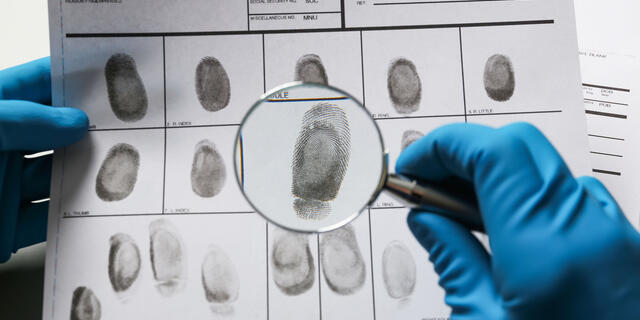
One of the key aspects of forensic science is the collection and examination of evidence found at crime scenes. This can range from fingerprints and DNA samples to ballistics and toxicology reports. By meticulously analyzing these pieces of evidence, forensic scientists can piece together a timeline of events and identify potential suspects.
Forensic science also encompasses various specializations, such as forensic pathology, which focuses on determining the cause of death by examining deceased bodies, or forensic anthropology, which involves studying skeletal remains to establish identities and uncover possible causes of death.
Advancements in technology have revolutionized the field of forensic science. Techniques such as DNA profiling and digital forensics have significantly improved investigators’ ability to solve complex cases and bring perpetrators to justice. The use of cutting-edge tools like microscopes, spectroscopy, and computer software has enhanced the accuracy and efficiency of forensic analyses.
Forensic science is not limited to crime scene investigations; it also plays a crucial role in civil cases, disaster victim identification, and historical research. By applying scientific methods to legal matters, forensic scientists help ensure justice is served and truth prevails.
In conclusion, forensic science is a multidisciplinary field that blends scientific knowledge with investigative skills to unravel mysteries and provide closure for victims and their families. As technology continues to advance, so too will the capabilities of forensic science in solving complex cases and shedding light on the darkest corners of human behavior.
Exploring Forensic Science: Key Questions on Methods, Specialisations, Technology, and Ethics
- What is forensic science and what does it involve?
- How do forensic scientists collect and analyze evidence at crime scenes?
- What are the different specializations within forensic science?
- How has technology advanced the field of forensic science?
- Can forensic science help solve cold cases or decades-old crimes?
- What role does DNA profiling play in forensic investigations?
- Are there any ethical considerations or limitations to consider in forensic science?
What is forensic science and what does it involve?
Forensic science is a specialized field that applies scientific principles and techniques to investigate crimes and analyze evidence. It involves the collection, preservation, and analysis of physical evidence found at crime scenes to reconstruct events and establish facts. Forensic scientists utilize a range of disciplines, including biology, chemistry, physics, and anthropology, to uncover the truth behind criminal activities. By examining fingerprints, DNA samples, ballistics, and other forms of evidence, forensic experts play a crucial role in assisting law enforcement agencies in solving cases and bringing perpetrators to justice.
How do forensic scientists collect and analyze evidence at crime scenes?
Forensic scientists follow a meticulous process when collecting and analyzing evidence at crime scenes. They begin by carefully documenting the scene, taking photographs and sketches to preserve the original state of the evidence. Next, they methodically collect physical evidence such as fingerprints, DNA samples, fibers, and weapons using specialized tools and techniques. Once collected, the evidence is carefully packaged and labeled to maintain its integrity. Back in the laboratory, forensic scientists employ a range of analytical methods including microscopy, spectroscopy, and chemical testing to examine the evidence in detail. By combining scientific expertise with investigative skills, forensic scientists can uncover vital clues that help unravel the truth behind crimes and bring perpetrators to justice.
What are the different specializations within forensic science?
Forensic science encompasses a variety of specialized fields that cater to different aspects of criminal investigations and legal proceedings. Some common specializations within forensic science include forensic pathology, which focuses on determining the cause of death through autopsies and medical examinations; forensic anthropology, which involves the identification and analysis of skeletal remains to establish identities and causes of death; forensic toxicology, which studies the presence of drugs, chemicals, and toxins in biological samples; and digital forensics, which involves the recovery and analysis of electronic data from devices like computers and mobile phones. Each specialization plays a crucial role in bringing clarity to complex cases and contributing valuable evidence to the justice system.
How has technology advanced the field of forensic science?
Technology has revolutionized the field of forensic science, significantly enhancing its capabilities and precision. Advancements such as DNA profiling, digital forensics, and sophisticated analytical tools have played a pivotal role in solving complex cases and uncovering crucial evidence. The use of high-tech equipment like microscopes, spectrometers, and specialized software has enabled forensic scientists to analyze evidence more efficiently and accurately than ever before. By harnessing the power of technology, forensic science has been able to push boundaries, improve investigative techniques, and ultimately contribute to the swift resolution of criminal cases.
Can forensic science help solve cold cases or decades-old crimes?
Forensic science has proven to be a powerful tool in solving cold cases and decades-old crimes. Through advancements in technology and forensic techniques, such as DNA analysis and fingerprint matching, investigators can revisit old evidence with fresh eyes and uncover new leads. The meticulous examination of physical evidence, combined with the expertise of forensic scientists, has led to breakthroughs in cases that were once thought unsolvable. By leveraging the capabilities of forensic science, law enforcement agencies have been able to bring closure to families and communities affected by long-standing mysteries, demonstrating the enduring impact of this field in seeking justice and truth.
What role does DNA profiling play in forensic investigations?
DNA profiling plays a pivotal role in forensic investigations by providing a powerful tool for identifying individuals and linking them to crime scenes. Through the analysis of unique DNA sequences, forensic scientists can create profiles that are as distinctive as fingerprints, enabling them to establish connections between suspects, victims, and evidence. DNA profiling not only helps in determining the identity of individuals but also plays a crucial role in exonerating the innocent and convicting the guilty. Its accuracy and reliability have revolutionized forensic investigations, allowing for more precise and conclusive results that have significantly impacted the criminal justice system.
Are there any ethical considerations or limitations to consider in forensic science?
In the realm of forensic science, ethical considerations and limitations play a significant role in ensuring the integrity and reliability of investigative processes. One key ethical consideration is the potential for bias in the interpretation of evidence, which can impact the outcome of a case. Forensic scientists must remain impartial and objective, adhering to strict protocols to avoid any conflicts of interest. Additionally, issues such as privacy concerns related to the collection and storage of DNA samples, as well as the potential misuse of forensic techniques, highlight the importance of upholding ethical standards in forensic science practice. It is essential for forensic professionals to be aware of these ethical considerations and limitations to maintain the credibility and trustworthiness of their work within the criminal justice system.
The Fascinating World of Forensic Science Forensic science is a captivating field that combines scientific principles with investigative techniques to solve crimes and uncover the truth behind mysterious incidents. From the analysis of physical evidence to the reconstruction of events, forensic scientists play a crucial role in the criminal justice system. One of the key…