
Navigating Through an Anxiety Attack: Understanding Symptoms and Coping Strategies

Anxiety Attack: Understanding the Symptoms and Coping Strategies
Experiencing an anxiety attack can be a frightening and overwhelming ordeal for many individuals. It is important to recognise the signs and symptoms of an anxiety attack to better understand what is happening and how to cope with it effectively.
What is an Anxiety Attack?
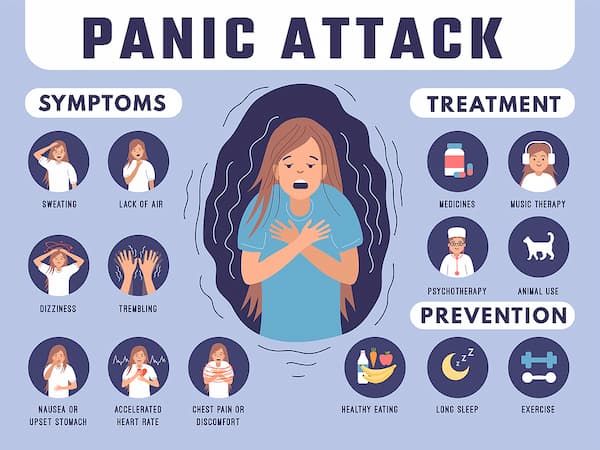
An anxiety attack, also known as a panic attack, is a sudden episode of intense fear or discomfort that triggers severe physical and emotional reactions. These attacks can be triggered by stress, traumatic events, or other underlying mental health conditions.
Symptoms of an Anxiety Attack
The symptoms of an anxiety attack can vary from person to person but commonly include:
- Rapid heartbeat or palpitations
- Shortness of breath or hyperventilation
- Trembling or shaking
- Sweating or chills
- Feeling dizzy or lightheaded
- Chest pain or discomfort
- Nausea or abdominal distress
- Feeling detached from reality
Coping Strategies for Anxiety Attacks
If you experience an anxiety attack, it is essential to remember that it will pass. Here are some coping strategies that may help during an anxiety attack:
- Breathe deeply: Focus on slow, deep breathing to help calm your body’s stress response.
- Practice mindfulness: Ground yourself in the present moment by focusing on your senses and surroundings.
It’s important to seek professional help if you experience frequent anxiety attacks or if they significantly impact your daily life. Remember, you are not alone, and support is available to help you manage your anxiety effectively.
7 Effective Strategies to Manage Anxiety Attacks
- Practice deep breathing exercises
- Engage in regular physical activity
- Maintain a healthy diet and avoid excessive caffeine or alcohol
- Get enough quality sleep each night
- Try relaxation techniques such as meditation or yoga
- Talk to a trusted friend, family member, or therapist about your feelings
- Consider seeking professional help if anxiety attacks persist
Practice deep breathing exercises
Practicing deep breathing exercises is a valuable tip for managing anxiety attacks. By focusing on slow, deliberate breaths, individuals can help regulate their heart rate and calm their mind during moments of heightened stress. Deep breathing promotes relaxation and can serve as a powerful tool to regain control over overwhelming emotions that often accompany anxiety attacks. Incorporating this simple yet effective technique into daily routines can contribute to better mental well-being and resilience in the face of anxiety triggers.
Engage in regular physical activity
Engaging in regular physical activity is a valuable tip for managing anxiety attacks. Exercise has been shown to release endorphins, the body’s natural mood enhancers, which can help reduce feelings of stress and anxiety. Whether it’s going for a brisk walk, practicing yoga, or hitting the gym, physical activity not only benefits your physical health but also contributes to improved mental well-being. By incorporating regular exercise into your routine, you can build resilience against anxiety attacks and promote a more balanced and positive mindset.
Maintain a healthy diet and avoid excessive caffeine or alcohol
Maintaining a healthy diet plays a crucial role in managing anxiety attacks. It is important to fuel your body with nutritious foods that support your overall well-being. Avoiding excessive caffeine or alcohol can help regulate your mood and reduce the risk of triggering anxiety symptoms. Opting for balanced meals and staying hydrated can contribute to a more stable emotional state, promoting better mental health in the long run. Making mindful choices about what you consume can positively impact your body’s response to stress and anxiety, leading to improved resilience and coping mechanisms.
Get enough quality sleep each night
Getting enough quality sleep each night is crucial for managing anxiety attacks effectively. Sleep plays a significant role in regulating mood and reducing stress levels. When we are well-rested, our minds are better equipped to handle challenging situations, and our bodies are more resilient to triggers that may lead to anxiety attacks. Prioritising a good night’s sleep can help improve overall mental well-being and enhance our ability to cope with anxiety symptoms. Remember, a restful sleep routine is a key component of maintaining emotional balance and promoting mental health.
Try relaxation techniques such as meditation or yoga
In managing anxiety attacks, incorporating relaxation techniques like meditation or yoga can be highly beneficial. These practices help promote a sense of calmness and mindfulness, allowing individuals to focus on the present moment and alleviate stress. By engaging in meditation or yoga regularly, individuals can cultivate a greater sense of inner peace and emotional balance, which may aid in reducing the frequency and intensity of anxiety attacks.
Talk to a trusted friend, family member, or therapist about your feelings
When dealing with an anxiety attack, it can be incredibly beneficial to open up and talk to a trusted friend, family member, or therapist about your feelings. Sharing your emotions with someone you trust can provide comfort, validation, and a sense of relief. It allows you to feel heard and supported, and the act of verbalizing your thoughts can help in processing and managing the overwhelming emotions that come with an anxiety attack. Remember, reaching out for support is a courageous step towards better mental well-being.
Consider seeking professional help if anxiety attacks persist
Consider seeking professional help if anxiety attacks persist. It is essential to prioritize your mental health and well-being by consulting a mental health professional who can provide you with the necessary support and guidance. Persistent anxiety attacks may indicate an underlying issue that requires professional intervention. Remember, reaching out for help is a sign of strength, and there are resources available to assist you in managing and overcoming your anxiety challenges.
Anxiety Attack: Understanding the Symptoms and Coping Strategies Anxiety Attack: Understanding the Symptoms and Coping Strategies Experiencing an anxiety attack can be a frightening and overwhelming ordeal for many individuals. It is important to recognise the signs and symptoms of an anxiety attack to better understand what is happening and how to cope with it…