
Caravaggio: Illuminating the Shadows of Artistic Revolution

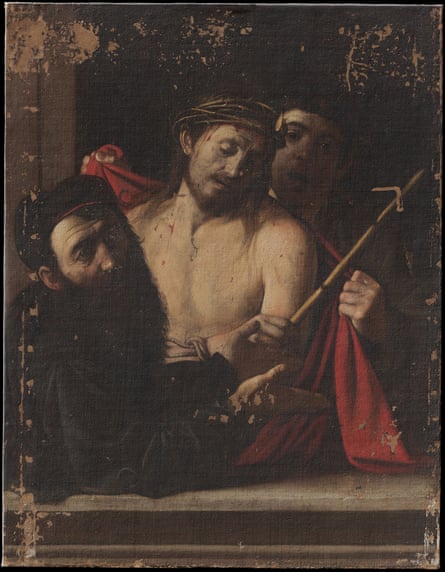
The Revolutionary Artistry of Caravaggio
Michelangelo Merisi da Caravaggio, simply known as Caravaggio, was an Italian Baroque painter whose revolutionary approach to art left an indelible mark on the world of painting. Born in Milan in 1571, Caravaggio’s tumultuous life and groundbreaking techniques have solidified his reputation as one of the most influential artists in history.
Caravaggio’s style was characterized by his dramatic use of light and shadow, known as chiaroscuro, which brought a new level of realism and emotion to his works. His paintings often depicted scenes from everyday life, infused with a raw intensity that captivated viewers and challenged traditional artistic norms.
One of Caravaggio’s most famous works is “The Calling of Saint Matthew,” housed in the Contarelli Chapel in Rome. In this masterpiece, Caravaggio captures the moment when Jesus calls Matthew, a tax collector, to become one of his disciples. The play of light and shadow in the painting highlights the emotional complexity of the scene, making it a powerful portrayal of divine intervention.
Despite his artistic brilliance, Caravaggio’s personal life was marred by controversy and violence. He was known for his volatile temperament and often found himself in trouble with the law. In 1606, he committed a murder that forced him to flee Rome and live as a fugitive for the rest of his life.
Caravaggio’s legacy lives on through his profound impact on art history. His innovative techniques inspired generations of artists who followed him, earning him a place among the great masters of the Baroque period. His ability to capture human emotion with unparalleled realism continues to resonate with audiences around the world.
As we reflect on Caravaggio’s tumultuous life and extraordinary talent, we are reminded of the enduring power of art to transcend time and connect us to our shared humanity. Through his paintings, Caravaggio invites us to explore the depths of human experience and embrace the beauty found in light and shadow.
Exploring Caravaggio: Genius, Controversies, and Mysteries Unveiled Through 7 FAQs
- Why is Caravaggio so good?
- Was Caravaggio sentenced to death?
- Was Caravaggio a religious man?
- Who was Caravaggio’s lover?
- What did Caravaggio do that was controversial?
- What is Caravaggio most known for?
- What is the difference between Michelangelo and Caravaggio?
Why is Caravaggio so good?
Caravaggio’s unparalleled mastery as an artist stems from his revolutionary approach to painting that defied traditional norms of his time. His innovative use of chiaroscuro, the stark interplay of light and shadow, brought a new level of realism and emotional depth to his works. Caravaggio’s ability to capture raw human emotion with such intensity and authenticity set him apart from his contemporaries, earning him a reputation as a true visionary in the art world. His influence on subsequent generations of artists is a testament to the enduring impact of his groundbreaking techniques and profound artistic vision.
Was Caravaggio sentenced to death?
Caravaggio’s tumultuous life was indeed marked by brushes with the law, but he was not sentenced to death. In 1606, Caravaggio committed a murder in Rome that led to his exile and life on the run. Despite facing legal troubles and living as a fugitive for the remainder of his days, Caravaggio’s artistic legacy continued to flourish. His revolutionary style and emotional depth in his paintings have solidified his place as a master of Baroque art, ensuring that his impact on the art world remains enduring and profound.
Was Caravaggio a religious man?
The question of whether Caravaggio was a religious man continues to intrigue art historians and scholars. While Caravaggio’s works often depicted religious themes with profound emotional depth, his personal life was marked by a tumultuous relationship with the Church and a series of controversies. Despite the spiritual intensity conveyed in his paintings, Caravaggio’s rebellious nature and turbulent lifestyle, including his involvement in brawls and criminal activities, cast doubt on his devoutness. Some argue that his artistry was a reflection of his deep understanding of religious narratives rather than a manifestation of personal faith. The enigmatic nature of Caravaggio’s beliefs adds another layer of complexity to the legacy of this influential Baroque artist.
Who was Caravaggio’s lover?
Caravaggio’s personal life has been a subject of much speculation and intrigue, with various theories circulating about his romantic relationships. While there is evidence to suggest that Caravaggio had close companionships with both men and women, the identity of a singular “lover” remains elusive and open to interpretation. The enigmatic nature of Caravaggio’s personal affairs adds another layer of complexity to his already controversial and captivating legacy as a groundbreaking artist of the Baroque era.
What did Caravaggio do that was controversial?
Caravaggio’s controversial reputation stemmed from both his artistic innovations and his tumultuous personal life. Artistically, he defied conventional norms by depicting religious figures and scenes with a raw, realistic intensity that some found unsettling. His dramatic use of light and shadow, known as chiaroscuro, brought a new level of emotional depth to his works but also challenged traditional artistic conventions. On a personal level, Caravaggio’s volatile temperament and involvement in violent altercations often landed him in trouble with the law. His infamous murder of a man in 1606 forced him to live as a fugitive for the remainder of his life, adding a dark and scandalous dimension to his already controversial legacy.
What is Caravaggio most known for?
Caravaggio is most known for his revolutionary artistic style characterized by dramatic use of light and shadow, known as chiaroscuro. His ability to capture intense emotions and everyday scenes with unparalleled realism set him apart as a master of Baroque painting. One of his most famous works, “The Calling of Saint Matthew,” exemplifies his talent for infusing ordinary moments with extraordinary depth and emotion. Caravaggio’s influence on art history is profound, as his innovative techniques continue to inspire artists and captivate audiences around the world.
What is the difference between Michelangelo and Caravaggio?
Michelangelo Buonarroti and Caravaggio, both renowned Italian artists, lived during different periods of art history and possessed distinct styles that set them apart. While Michelangelo, a towering figure of the Renaissance era, excelled in sculpture and fresco painting, Caravaggio emerged as a prominent Baroque painter known for his dramatic use of light and shadow. Michelangelo’s works often embodied classical ideals with a focus on anatomical precision and grandeur, while Caravaggio’s art captured raw emotion and realism through his innovative chiaroscuro technique. Despite their differences in artistic approach, both artists left an indelible mark on the world of art, each contributing uniquely to the evolution of artistic expression in their respective eras.
The Revolutionary Artistry of Caravaggio Michelangelo Merisi da Caravaggio, simply known as Caravaggio, was an Italian Baroque painter whose revolutionary approach to art left an indelible mark on the world of painting. Born in Milan in 1571, Caravaggio’s tumultuous life and groundbreaking techniques have solidified his reputation as one of the most influential artists in…