
Combatting Cardiovascular Disease: A Vital Health Challenge in Australia

The Silent Threat: Understanding Cardiovascular Disease
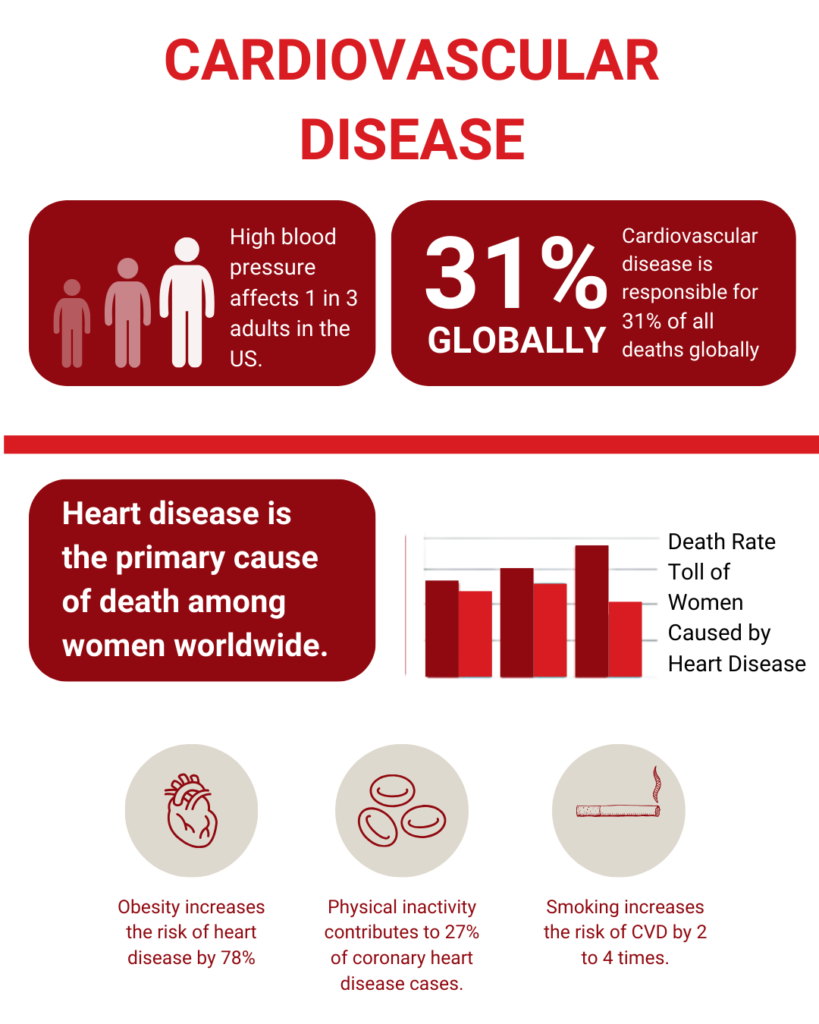
Cardiovascular disease (CVD) remains one of the leading causes of death worldwide, claiming millions of lives each year. This group of disorders affects the heart and blood vessels, encompassing conditions such as heart disease, stroke, and hypertension. Despite advancements in medical research and technology, CVD continues to pose a significant health challenge globally.
Types of Cardiovascular Disease
There are various types of cardiovascular diseases, each with its own set of symptoms and risk factors. Coronary artery disease, for example, occurs when plaque builds up in the arteries that supply blood to the heart muscle. This can lead to chest pain (angina), heart attacks, and other complications.
Another common type is stroke, which occurs when blood flow to the brain is disrupted, either due to a blockage or a burst blood vessel. Strokes can result in permanent brain damage or even death if not treated promptly.
Risk Factors
Several factors contribute to the development of cardiovascular disease. These include high blood pressure, high cholesterol levels, smoking, diabetes, obesity, and a sedentary lifestyle. Genetics also play a role, as individuals with a family history of CVD are at higher risk.
Prevention and Management
While certain risk factors for cardiovascular disease cannot be changed (such as age and family history), there are steps individuals can take to reduce their risk. Adopting a healthy lifestyle that includes regular exercise, a balanced diet low in saturated fats and sugars, maintaining a healthy weight, managing stress levels, and avoiding tobacco products can all help prevent CVD.
In terms of management, early detection through regular health check-ups is crucial. Treatment may involve medications to control blood pressure or cholesterol levels, lifestyle modifications like dietary changes and exercise programs, or surgical interventions in severe cases.
Conclusion
Cardiovascular disease is a serious health issue that requires attention at both individual and societal levels. By raising awareness about the risk factors and symptoms associated with CVD, promoting healthy living practices, and investing in research for better treatments and prevention strategies, we can work towards reducing the burden of this silent threat on our communities.
Understanding Cardiovascular Disease: Risk Factors, Prevention, Symptoms, and Genetic Influences
- What are the risk factors for cardiovascular disease?
- How can I prevent cardiovascular disease?
- What are the symptoms of a heart attack?
- Is high blood pressure a major risk factor for cardiovascular disease?
- Are there any genetic factors that increase the risk of developing cardiovascular disease?
What are the risk factors for cardiovascular disease?
Understanding the risk factors for cardiovascular disease is crucial in taking proactive steps towards prevention and management. Several factors contribute to the development of cardiovascular disease, including high blood pressure, high cholesterol levels, smoking, diabetes, obesity, and a sedentary lifestyle. Additionally, genetics can also play a significant role, with individuals having a family history of CVD being at higher risk. By being aware of these risk factors and making positive lifestyle changes such as regular exercise, a healthy diet, and avoiding tobacco products, individuals can reduce their chances of developing cardiovascular disease and lead healthier lives.
How can I prevent cardiovascular disease?
To prevent cardiovascular disease, adopting a healthy lifestyle is key. This includes maintaining a balanced diet rich in fruits, vegetables, whole grains, and lean proteins while limiting saturated fats and sugars. Regular physical activity, such as brisk walking or cycling, can also help improve heart health. Avoiding tobacco products, managing stress levels, monitoring blood pressure and cholesterol levels regularly, and maintaining a healthy weight are essential steps in reducing the risk of cardiovascular disease. Making these lifestyle changes can significantly contribute to a healthier heart and overall well-being.
What are the symptoms of a heart attack?
Heart attacks, also known as myocardial infarctions, can present a range of symptoms that vary in intensity and duration. Common signs of a heart attack include chest pain or discomfort that may feel like pressure, tightness, or squeezing. This pain can radiate to the arms, neck, jaw, back, or stomach. Other symptoms may include shortness of breath, nausea, lightheadedness, cold sweats, and fatigue. It’s important to note that not everyone experiences the same symptoms during a heart attack, and some individuals may have atypical presentations. If you suspect you or someone else is having a heart attack, seek immediate medical attention by calling emergency services.
Is high blood pressure a major risk factor for cardiovascular disease?
Yes, high blood pressure is indeed a major risk factor for cardiovascular disease. Also known as hypertension, high blood pressure puts added strain on the heart and blood vessels, increasing the risk of conditions such as heart disease, stroke, and other cardiovascular complications. Managing and controlling blood pressure levels through lifestyle changes, medication, and regular monitoring is crucial in reducing the risk of developing cardiovascular disease and its associated health issues. It is essential for individuals to be aware of their blood pressure readings and work with healthcare professionals to maintain optimal levels for overall heart health.
Are there any genetic factors that increase the risk of developing cardiovascular disease?
Genetic factors indeed play a significant role in increasing the risk of developing cardiovascular disease. Individuals with a family history of CVD are more likely to inherit certain genetic variations that predispose them to conditions like high blood pressure, high cholesterol levels, and heart abnormalities. These genetic predispositions can interact with environmental factors, such as diet and lifestyle choices, further amplifying the risk of cardiovascular issues. Understanding one’s genetic background and its implications can help individuals take proactive steps towards prevention and early intervention in managing their cardiovascular health.
The Silent Threat: Understanding Cardiovascular Disease Cardiovascular disease (CVD) remains one of the leading causes of death worldwide, claiming millions of lives each year. This group of disorders affects the heart and blood vessels, encompassing conditions such as heart disease, stroke, and hypertension. Despite advancements in medical research and technology, CVD continues to pose a…