
The Looming Threat: Understanding the Impact of Yellow Fever

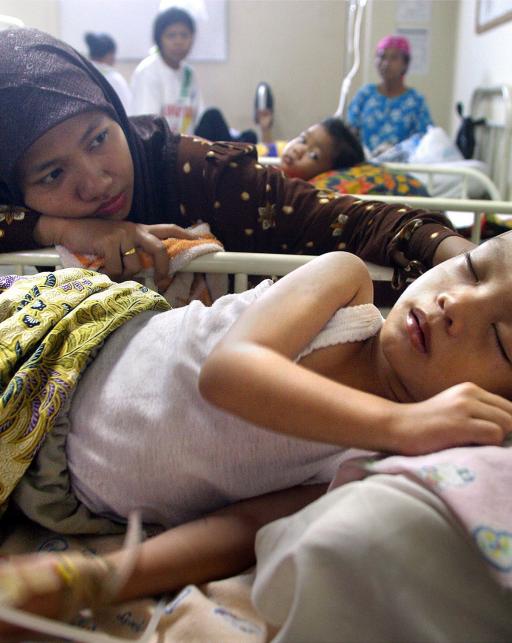
The Threat of Yellow Fever: Understanding the Disease and Its Impact
Yellow fever, a viral disease transmitted by mosquitoes, poses a significant threat to public health in many regions of the world. Characterized by symptoms such as fever, jaundice, and bleeding, this potentially fatal illness has the potential to cause widespread outbreaks if not properly controlled.
Transmission and Symptoms
Yellow fever is primarily spread through the bite of infected Aedes or Haemagogus mosquitoes. Once contracted, the virus incubates in the body for 3 to 6 days before symptoms begin to manifest. Initial signs may include fever, muscle pain, headache, and nausea. In severe cases, patients can develop jaundice (yellowing of the skin and eyes), abdominal pain, vomiting blood, and kidney dysfunction.
Prevention and Control
Vaccination is a critical tool in preventing yellow fever. The yellow fever vaccine is safe and highly effective, providing immunity for at least 10 years after a single dose. Additionally, measures such as mosquito control programs and avoiding mosquito bites through repellents and protective clothing can help reduce the risk of transmission.
Impact on Global Health
Yellow fever remains a significant public health concern in regions where the virus is endemic. Outbreaks can have devastating consequences on communities with limited access to healthcare resources. The World Health Organization (WHO) has been working to increase vaccination coverage in at-risk populations and strengthen surveillance systems to detect and respond to outbreaks promptly.
The Way Forward
Efforts to combat yellow fever require collaboration between governments, healthcare providers, researchers, and international organizations. By raising awareness about the disease, improving vaccination coverage, and implementing effective control measures, we can work towards reducing the burden of yellow fever on global health.
As we continue to navigate the challenges posed by infectious diseases like yellow fever, it is crucial that we remain vigilant and proactive in our efforts to prevent outbreaks and protect vulnerable populations from this deadly virus.
Understanding Yellow Fever: Your Top Questions Answered
- What is yellow fever?
- How is yellow fever transmitted?
- What are the symptoms of yellow fever?
- Is there a vaccine for yellow fever?
- Where is yellow fever most commonly found?
- How can I prevent getting yellow fever?
- What are the treatment options for yellow fever?
- What should I do if I suspect I have been infected with yellow fever?
What is yellow fever?
Yellow fever is a viral disease transmitted by mosquitoes, primarily in tropical regions of Africa and South America. The virus can cause a range of symptoms, including fever, muscle pain, jaundice, and in severe cases, organ failure and death. Vaccination is the most effective way to prevent yellow fever, along with measures to control mosquito populations and reduce exposure to bites. Understanding the nature of yellow fever and taking appropriate preventive actions are crucial in combating this potentially fatal illness.
How is yellow fever transmitted?
Yellow fever is primarily transmitted through the bite of infected Aedes or Haemagogus mosquitoes. When these mosquitoes feed on a person with the yellow fever virus in their bloodstream, they can become carriers of the virus. Subsequently, when they bite another individual, they can transmit the virus into their bloodstream, thereby infecting them with yellow fever. It is crucial to take preventive measures to avoid mosquito bites in regions where yellow fever is endemic to reduce the risk of transmission and protect oneself from this potentially dangerous disease.
What are the symptoms of yellow fever?
Yellow fever presents a range of symptoms that can vary in severity. Common signs of yellow fever include fever, muscle pain, headache, and nausea, which are often mistaken for symptoms of other illnesses in the early stages. As the disease progresses, more severe symptoms may develop, such as jaundice (yellowing of the skin and eyes), abdominal pain, vomiting blood, and kidney dysfunction. Recognizing these symptoms early is crucial for prompt diagnosis and treatment to prevent complications and reduce the risk of severe illness or death associated with yellow fever.
Is there a vaccine for yellow fever?
Yes, there is a highly effective vaccine for yellow fever. The yellow fever vaccine is a crucial tool in preventing the spread of this viral disease. It provides long-lasting immunity, usually for at least 10 years, after a single dose. Vaccination is recommended for individuals living in or traveling to areas where yellow fever is endemic to protect themselves from the potentially severe consequences of the illness. It is essential to consult with healthcare professionals or travel health clinics to determine if vaccination against yellow fever is necessary based on your destination and individual health status.
Where is yellow fever most commonly found?
Yellow fever is most commonly found in tropical and subtropical regions of Africa and South America. Countries in these regions with dense mosquito populations are at higher risk for yellow fever transmission. Some of the most affected areas include parts of West Africa, Central Africa, the Amazon rainforest region in South America, and countries along the equator where the Aedes and Haemagogus mosquitoes thrive. Travellers to these regions are advised to check if yellow fever vaccination is required before their trip to prevent contracting the disease.
How can I prevent getting yellow fever?
To prevent getting yellow fever, it is essential to ensure you are vaccinated against the virus. The yellow fever vaccine is highly effective and provides long-lasting immunity. Additionally, taking precautions to avoid mosquito bites, such as using insect repellents, wearing protective clothing, and sleeping under mosquito nets in high-risk areas, can help reduce the risk of contracting the disease. Mosquito control measures in communities and staying informed about travel advisories for regions where yellow fever is prevalent are also crucial steps in preventing infection. By taking these preventive measures, you can significantly lower your chances of getting yellow fever and protect yourself from this potentially serious illness.
What are the treatment options for yellow fever?
When it comes to yellow fever, there is no specific antiviral treatment available. Medical care for yellow fever focuses on managing symptoms and providing supportive care to help the body fight off the infection. Patients with severe cases may require hospitalization for close monitoring and treatment of complications such as organ failure or bleeding disorders. Prevention through vaccination remains the most effective strategy in combating yellow fever, highlighting the importance of proactive measures to protect individuals and communities at risk.
What should I do if I suspect I have been infected with yellow fever?
If you suspect that you have been infected with yellow fever, it is crucial to seek medical attention immediately. Yellow fever is a serious illness that requires prompt diagnosis and treatment to prevent complications. Contact your healthcare provider or local health authorities to report your symptoms and seek guidance on testing and treatment options. It is essential to follow their recommendations closely to receive appropriate care and prevent the spread of the virus to others. Remember, early detection and intervention are key in managing yellow fever effectively.
The Threat of Yellow Fever: Understanding the Disease and Its Impact Yellow fever, a viral disease transmitted by mosquitoes, poses a significant threat to public health in many regions of the world. Characterized by symptoms such as fever, jaundice, and bleeding, this potentially fatal illness has the potential to cause widespread outbreaks if not properly…