
Understanding Molar Pregnancy: Symptoms, Diagnosis, and Treatment

The Facts About Molar Pregnancy
When a pregnancy doesn’t progress as expected, it can be a confusing and distressing experience for those involved. One such complication that can occur is a molar pregnancy, a rare condition that requires medical attention and understanding.
What is a Molar Pregnancy?
A molar pregnancy, also known as hydatidiform mole, is an abnormality that happens during fertilization. Instead of a normal embryo developing, a growth forms inside the uterus. This growth can take two forms: complete molar pregnancy where there’s no fetal development, or partial molar pregnancy where some fetal tissue may develop alongside the abnormal growth.
Symptoms and Diagnosis
Women with a molar pregnancy may experience symptoms such as vaginal bleeding, severe nausea and vomiting (hyperemesis gravidarum), and abnormally high levels of hCG (human chorionic gonadotropin) hormone. These symptoms can mimic a normal pregnancy initially, making diagnosis challenging without proper medical evaluation.
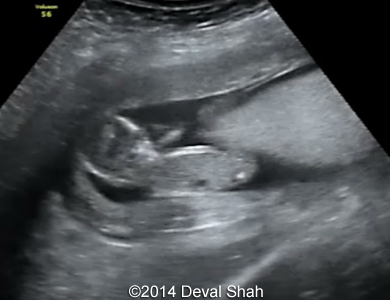
To diagnose a molar pregnancy, doctors typically perform an ultrasound to examine the uterus and may conduct blood tests to check hCG levels. Tissue sampling through a procedure called dilation and curettage (D&C) may also be done to confirm the diagnosis.
Treatment and Follow-Up
Once diagnosed, treatment for a molar pregnancy usually involves removing the abnormal tissue from the uterus through D&C or sometimes surgery. After treatment, close monitoring is essential to ensure that hCG levels return to normal and there are no signs of complications like persistent trophoblastic disease or choriocarcinoma.
Emotional Impact
Coping with a molar pregnancy can be emotionally challenging for individuals and their partners. It’s crucial to seek support from healthcare professionals, counselors, or support groups to navigate through the feelings of loss, confusion, and uncertainty that may arise.
Conclusion
Molar pregnancies are rare occurrences that require prompt medical attention for proper management. Understanding the symptoms, diagnosis process, treatment options, and emotional impact associated with this condition is essential in providing support and care for those affected by it.
Essential Guidance for Navigating a Molar Pregnancy: Key Tips for Health and Support
- Seek medical advice if you experience abnormal vaginal bleeding or severe nausea and vomiting during early pregnancy.
- Understand that a molar pregnancy is not a viable pregnancy and will not result in the birth of a baby.
- Follow up with your healthcare provider for monitoring after treatment to ensure complete removal of abnormal tissue.
- Be aware of the potential risk of developing gestational trophoblastic neoplasia after a molar pregnancy.
- Take care of your emotional well-being by seeking support from loved ones or a mental health professional.
Seek medical advice if you experience abnormal vaginal bleeding or severe nausea and vomiting during early pregnancy.
It is crucial to seek medical advice if you experience abnormal vaginal bleeding or severe nausea and vomiting during early pregnancy, as these could be potential symptoms of a molar pregnancy. Prompt evaluation by healthcare professionals can help in diagnosing and managing this rare condition effectively. Early detection and intervention are key in ensuring the best possible outcomes for both the individual’s health and well-being.
Understand that a molar pregnancy is not a viable pregnancy and will not result in the birth of a baby.
It is crucial to comprehend that a molar pregnancy is not a viable pregnancy and will not lead to the birth of a baby. This abnormal condition involves the growth of abnormal tissue in the uterus rather than the development of a fetus. Recognizing this fact is essential in managing expectations and seeking appropriate medical care for the well-being of both the individual and their future reproductive health.
Follow up with your healthcare provider for monitoring after treatment to ensure complete removal of abnormal tissue.
Following up with your healthcare provider for monitoring after treatment is crucial in the case of a molar pregnancy. This ongoing care is essential to confirm the complete removal of any abnormal tissue and to monitor for any signs of recurrence or complications. Regular check-ups and follow-up appointments help ensure that you receive the necessary support and medical attention to safeguard your health and well-being in the aftermath of a molar pregnancy diagnosis and treatment.
Be aware of the potential risk of developing gestational trophoblastic neoplasia after a molar pregnancy.
It is important to be aware of the potential risk of developing gestational trophoblastic neoplasia after experiencing a molar pregnancy. Gestational trophoblastic neoplasia is a rare but serious condition that can arise if abnormal cells from the molar pregnancy continue to grow and spread unchecked. Early detection and appropriate treatment are crucial in managing this condition effectively, underscoring the significance of regular follow-up care and monitoring after a molar pregnancy.
Take care of your emotional well-being by seeking support from loved ones or a mental health professional.
Taking care of your emotional well-being is crucial when dealing with the complexities of a molar pregnancy. It’s important to reach out for support from loved ones who can provide comfort and understanding during this challenging time. Additionally, seeking guidance from a mental health professional can offer valuable insight and coping strategies to navigate through the emotional impact of a molar pregnancy. Remember, you are not alone, and prioritizing your mental health is an essential part of the healing process.
The Facts About Molar Pregnancy When a pregnancy doesn’t progress as expected, it can be a confusing and distressing experience for those involved. One such complication that can occur is a molar pregnancy, a rare condition that requires medical attention and understanding. What is a Molar Pregnancy? A molar pregnancy, also known as hydatidiform mole,…