
The Chilling Rewards: Unveiling the Health Benefits of Ice Baths

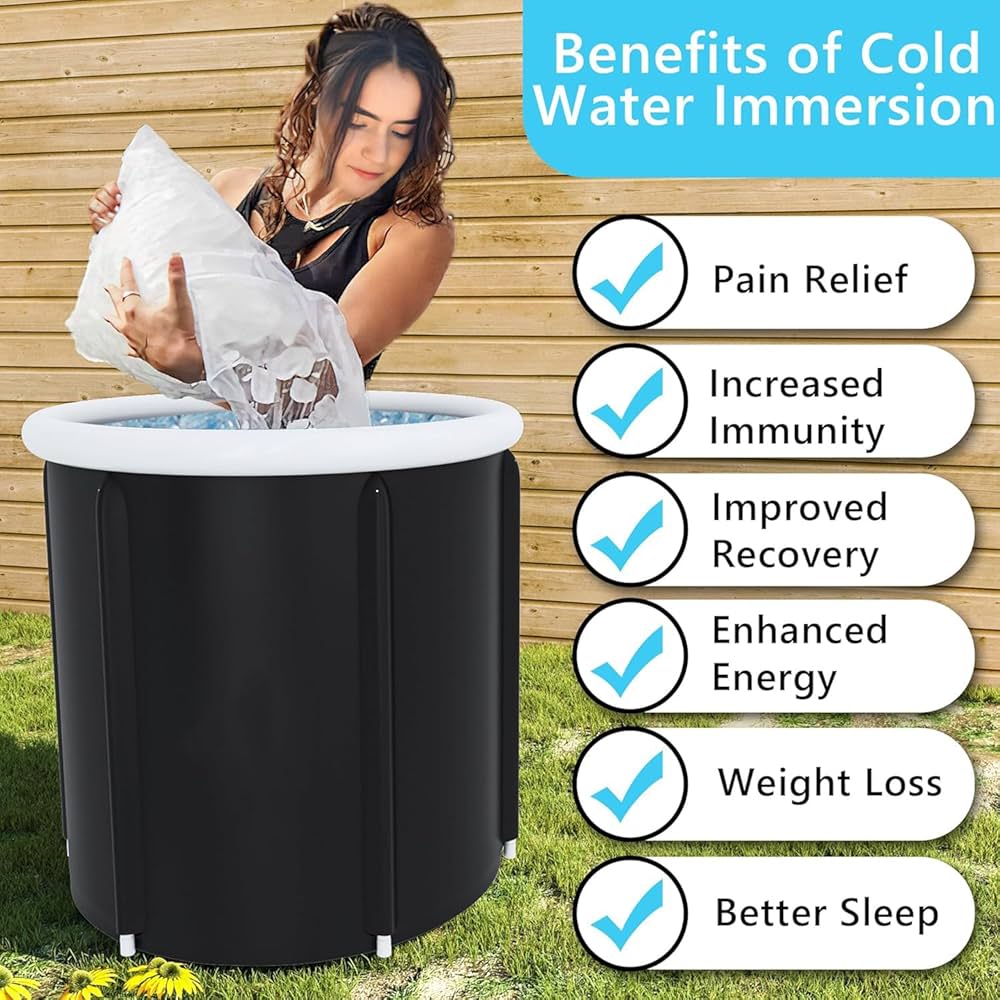
The Surprising Health Benefits of Ice Baths
Ice baths, once reserved for elite athletes and daredevils, are gaining popularity among health enthusiasts for their numerous benefits beyond just muscle recovery. The practice of immersing oneself in icy water may seem daunting at first, but the rewards it offers are worth the initial shock.
Muscle Recovery
One of the most well-known benefits of ice baths is their ability to aid in muscle recovery after intense physical activity. The cold temperature helps reduce inflammation and muscle soreness, allowing athletes to recover faster and perform better in subsequent workouts.
Improved Circulation
The cold water constricts blood vessels, which can help improve circulation throughout the body. This can have a positive impact on overall cardiovascular health and may even boost metabolism.
Enhanced Mental Well-being
Ice baths are not just beneficial for the body; they can also have a positive effect on mental well-being. The shock of cold water triggers the release of endorphins, often referred to as “feel-good” hormones, which can help reduce stress and improve mood.
Immune System Boost
Cold exposure has been linked to strengthening the immune system by increasing the production of white blood cells. Regular ice baths may help make your body more resilient to common illnesses.
Skin Rejuvenation
The cold water can tighten pores and improve skin tone, giving you a natural glow. Some people swear by ice baths as a beauty treatment that helps reduce puffiness and promote overall skin health.
In conclusion, while ice baths may not be for everyone, those who brave the chill can reap a wide range of health benefits that extend far beyond just physical recovery. Whether you’re an athlete looking to enhance performance or simply seeking a refreshing way to boost your well-being, incorporating ice baths into your routine could be a cool choice worth considering.
5 Benefits of Ice Baths for Enhanced Recovery and Athletic Performance
- Ice baths can help reduce muscle soreness and inflammation after intense exercise.
- They may improve recovery time by constricting blood vessels and flushing out waste products in the muscles.
- Ice baths can also help decrease swelling and tissue breakdown.
- They may boost circulation and promote healing of micro-tears in muscle fibers.
- Taking ice baths regularly may enhance overall athletic performance.
Ice baths can help reduce muscle soreness and inflammation after intense exercise.
Ice baths offer a valuable advantage in reducing muscle soreness and inflammation following strenuous exercise. By immersing oneself in cold water, the body experiences vasoconstriction, which can help alleviate post-workout discomfort and swelling. This practice is particularly beneficial for athletes and fitness enthusiasts seeking quicker recovery times and enhanced performance levels.
They may improve recovery time by constricting blood vessels and flushing out waste products in the muscles.
Ice baths have been found to potentially enhance recovery time by constricting blood vessels and aiding in the removal of waste products from the muscles. The cold temperature of the water can help reduce inflammation and soreness, allowing for a quicker recovery post-exercise. By promoting better circulation and assisting in the flushing out of toxins, ice baths offer a refreshing way to support muscle recovery and overall physical well-being.
Ice baths can also help decrease swelling and tissue breakdown.
Ice baths offer a range of benefits, including the ability to decrease swelling and prevent tissue breakdown. The cold temperature of the water constricts blood vessels, reducing inflammation and promoting faster recovery. By incorporating ice baths into your routine, you can not only aid in muscle recovery but also support overall tissue health, making it a valuable practice for those looking to enhance their physical well-being.
They may boost circulation and promote healing of micro-tears in muscle fibers.
Ice baths offer a unique advantage in promoting circulation and aiding in the healing process of micro-tears within muscle fibers. The cold temperature of the water helps constrict blood vessels, which can enhance blood flow to the muscles, facilitating faster recovery. By targeting these micro-tears, ice baths contribute to the repair and strengthening of muscle tissue, ultimately supporting overall muscle health and performance.
Taking ice baths regularly may enhance overall athletic performance.
Taking ice baths regularly may enhance overall athletic performance. By reducing muscle inflammation and soreness, ice baths can help athletes recover faster between training sessions, allowing them to maintain peak performance levels. The improved circulation and immune system boost from cold exposure can also contribute to better endurance and resilience during intense physical activities. Incorporating ice baths into a regular recovery routine could be a game-changer for athletes looking to maximise their potential and achieve optimal results in their respective sports.
The Surprising Health Benefits of Ice Baths The Surprising Health Benefits of Ice Baths Ice baths, once reserved for elite athletes and daredevils, are gaining popularity among health enthusiasts for their numerous benefits beyond just muscle recovery. The practice of immersing oneself in icy water may seem daunting at first, but the rewards it offers…