
Chronic Kidney Disease: Symptoms, Causes and Treatment Options

Chronic kidney disease: what it is and how it’s managed
Chronic kidney disease (CKD) is a long-term condition in which the kidneys are damaged or do not work as well as they should. The kidneys filter waste and extra fluid from the blood, help balance salts and minerals, and make hormones involved in blood pressure and red blood cell production.
CKD often develops gradually and may cause no noticeable symptoms in its early stages. Finding it early can help slow its progression and reduce the risk of complications. This article offers general information and is not a substitute for advice from a doctor or other health professional.
What causes chronic kidney disease?
Diabetes and high blood pressure are two of the most common causes of CKD. Other causes and risk factors include:
- inherited conditions, such as polycystic kidney disease
- inflammation or other diseases affecting the kidneys
- repeated kidney infections or blockages in the urinary tract
- some medicines or other substances that can harm the kidneys, particularly when used inappropriately or over a long period
- older age, cardiovascular disease, or a family history of kidney disease.
Sometimes the cause is not clear. Having a risk factor does not mean someone will develop CKD, but it may be a reason to discuss kidney checks with a GP.
Symptoms
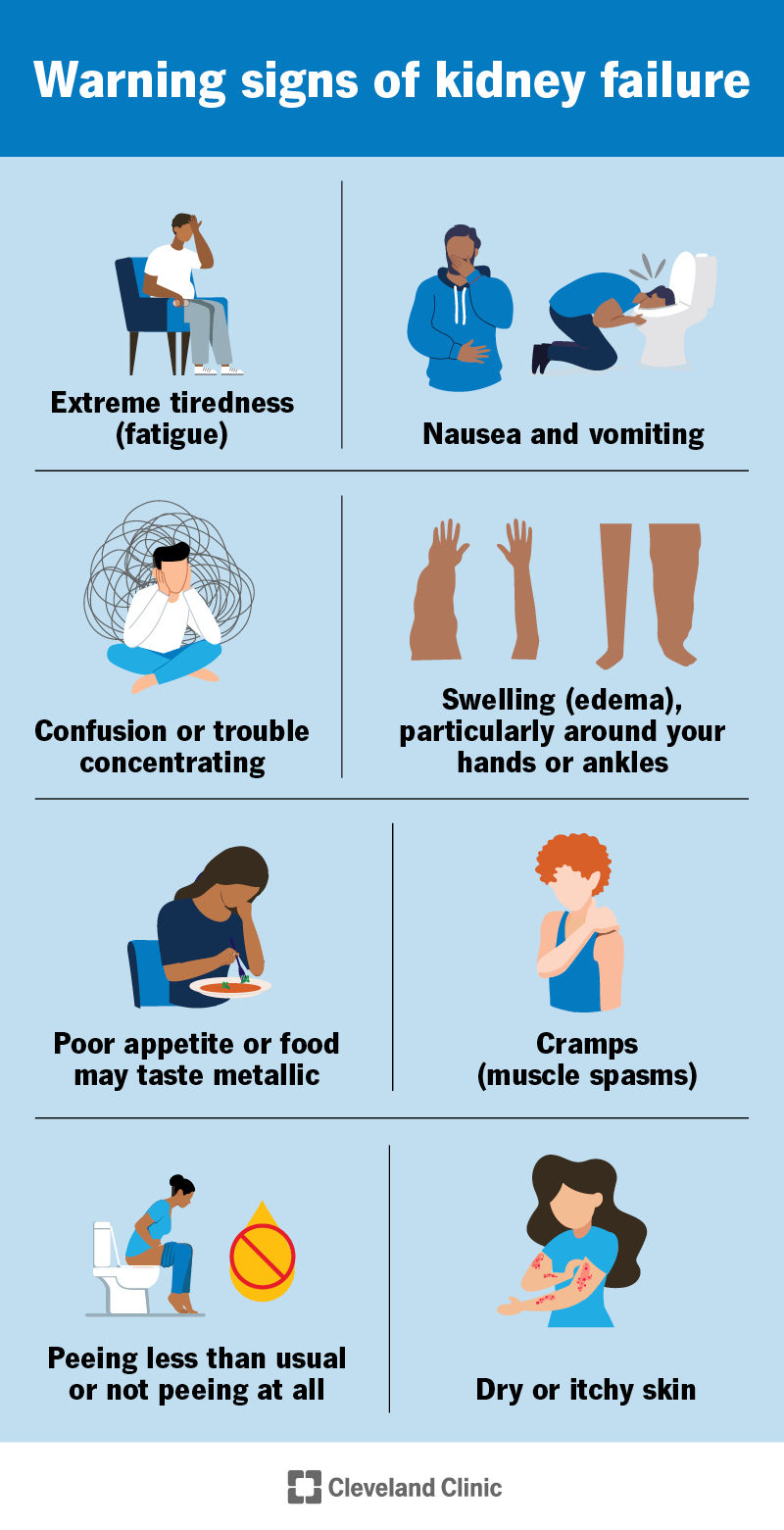
Many people with early CKD feel well. As kidney function declines, some may develop tiredness, reduced appetite, nausea, itchy skin, muscle cramps, swelling in the ankles or feet, or changes in how often they urinate. These symptoms can have many causes and do not, by themselves, confirm kidney disease.
Seek medical advice if symptoms persist or you are concerned, especially if you have diabetes, high blood pressure, or another CKD risk factor.
How CKD is diagnosed
CKD is usually assessed with blood and urine tests. A blood test estimates the glomerular filtration rate (eGFR), an indicator of how well the kidneys filter blood. A urine test checks for albumin, a protein that can leak into urine when the kidneys are damaged. Blood pressure and medical history are also important. Sometimes imaging or other tests are needed.
A single abnormal result does not always mean a person has CKD. The changes generally need to be present for at least three months, or there must be other evidence of ongoing kidney damage. A health professional may repeat tests to confirm the result and monitor changes over time.
Understanding CKD stages
CKD is commonly described in stages based on eGFR, alongside the amount of albumin in the urine. In broad terms, an eGFR of 60 or above may still be consistent with CKD if there are other signs of kidney damage. An eGFR below 60 that persists for at least three months can also indicate CKD. The stage helps guide care, but it is not the only measure of a person’s health or outlook.
Ask your GP to explain your eGFR and urine albumin results, what they mean together, and when testing should be repeated.
Managing chronic kidney disease
Management depends on the cause, test results, other health conditions, and how quickly kidney function is changing. The goals are to protect remaining kidney function, manage symptoms, and lower the risk of heart and blood vessel disease. A care plan may include:
- Managing blood pressure and blood glucose: treatment may include medicines and regular monitoring.
- Kidney-protective medicines: some people may benefit from medicines such as ACE inhibitors, ARBs, or SGLT2 inhibitors. These are not suitable for everyone and should be discussed with a clinician.
- Healthy habits: not smoking, being physically active, and choosing a balanced eating pattern can support overall health. A GP or dietitian can provide advice suited to your kidney function and other conditions.
- Reviewing medicines: tell your doctor and pharmacist about all prescription medicines, over-the-counter products, vitamins, and supplements. Some pain medicines, including non-steroidal anti-inflammatory drugs (NSAIDs), may be unsuitable for some people with CKD.
- Regular checks: blood and urine tests can track kidney function and identify issues such as anaemia, changes in mineral levels, or fluid retention.
Do not stop prescribed medicines or start a restrictive diet without speaking with a health professional. Advice about protein, salt, potassium, and fluid intake varies from person to person.
Advanced kidney disease
If kidney function becomes severely reduced, a kidney specialist may discuss additional care and treatment options. For some people, this may include dialysis, a kidney transplant, or supportive care focused on symptoms and quality of life. Planning can begin before kidney failure develops, giving people time to understand their options and make informed decisions.
Reducing risk and finding CKD early
Not all cases of CKD can be prevented. Managing diabetes and blood pressure, avoiding smoking, and using medicines only as directed can help protect kidney health. People with known risk factors can ask their GP whether regular blood and urine tests are appropriate.
If you have questions about kidney health, speak with your GP. In Australia, Kidney Health Australia also provides kidney health information and support resources. For urgent or severe symptoms, seek immediate medical care; call 000 in an emergency.
Five Benefits of Early Detection and Ongoing Care for Chronic Kidney Disease
- Early detection can help slow its progression.
- Regular checks can identify changes before symptoms appear.
- Treatment can help manage blood pressure and blood glucose.
- Healthy habits can support kidney and heart health.
- A care plan can help people make informed decisions.
Key challenges of chronic kidney disease
- Often has no early symptoms, so it may go unnoticed.
- Can gradually reduce kidney function over time.
- May require ongoing tests, medicines and lifestyle changes.
- Advanced disease can require dialysis or a kidney transplant.
Early detection can help slow its progression.
One important benefit of detecting chronic kidney disease early is that there may be more opportunity to slow its progression. With regular monitoring, a healthcare professional can identify changes in kidney function and address contributing factors, such as high blood pressure or diabetes. A tailored care plan may include medicines, lifestyle changes and regular tests to help protect kidney health and reduce the risk of complications.
Regular checks can identify changes before symptoms appear.
Regular kidney checks can reveal changes in kidney function before any symptoms appear, as early-stage chronic kidney disease often has no obvious signs. Blood and urine tests can help track kidney health over time, allowing a GP to investigate unusual results and discuss suitable steps to help protect kidney function.
Treatment can help manage blood pressure and blood glucose.
Treatment for chronic kidney disease can help manage blood pressure and blood glucose, two important factors in protecting kidney function. Depending on a person’s needs, care may include medicines, regular check-ups and practical lifestyle changes. Keeping these levels within the target range can also lower the risk of related health problems, but treatment plans should be tailored by a health professional.
Healthy habits can support kidney and heart health.
Healthy habits can support both kidney and heart health, particularly for people living with chronic kidney disease (CKD). Regular physical activity, not smoking and eating a balanced diet can help manage blood pressure and blood glucose, which may reduce strain on the kidneys and support cardiovascular wellbeing. The right approach can vary depending on a person’s kidney function and other health needs, so it’s best to seek tailored advice from a GP or dietitian.
A care plan can help people make informed decisions.
A clear care plan can help people with chronic kidney disease understand their test results, treatment options and next steps. By discussing the benefits and risks of each option with their health professionals, people can make informed decisions that reflect their needs, priorities and preferences. The plan can also clarify who to contact with questions and when to review treatment as their health changes.
Often has no early symptoms, so it may go unnoticed.
Chronic kidney disease often causes no noticeable symptoms in its early stages, so a person may not realise their kidneys are being affected. This can delay diagnosis and treatment until the condition has progressed. Regular kidney checks may be important for people at higher risk, including those with diabetes or high blood pressure.
Can gradually reduce kidney function over time.
Chronic kidney disease can gradually reduce the kidneys’ ability to filter waste and excess fluid from the blood. This decline may happen over many years and often causes few symptoms at first, so regular check-ups are important for people at risk. As kidney function worsens, complications can develop, making early diagnosis and appropriate management essential.
May require ongoing tests, medicines and lifestyle changes.
Chronic kidney disease can mean ongoing appointments, blood and urine tests, medicines and lifestyle changes to help protect kidney function. Keeping up with this care may take time, cost money and feel demanding, particularly when it becomes part of everyday life. The plan can vary from person to person, so a GP or kidney specialist can help make it manageable and explain which steps are most important.
Advanced disease can require dialysis or a kidney transplant.
In advanced chronic kidney disease, the kidneys may no longer be able to filter waste and excess fluid well enough to keep the body healthy. Some people may then need dialysis, which uses a machine or a special fluid in the abdomen to help remove waste, or a kidney transplant. These treatments can be life-sustaining, but they may involve significant time, medical appointments and lifestyle adjustments, and a transplant is not suitable or available for everyone.
Chronic kidney disease: what it is and how it’s managed Chronic kidney disease (CKD) is a long-term condition in which the kidneys are damaged or do not work as well as they should. The kidneys filter waste and extra fluid from the blood, help balance salts and minerals, and make hormones involved in blood pressure…