
Understanding Issues and Finding Practical Ways Forward

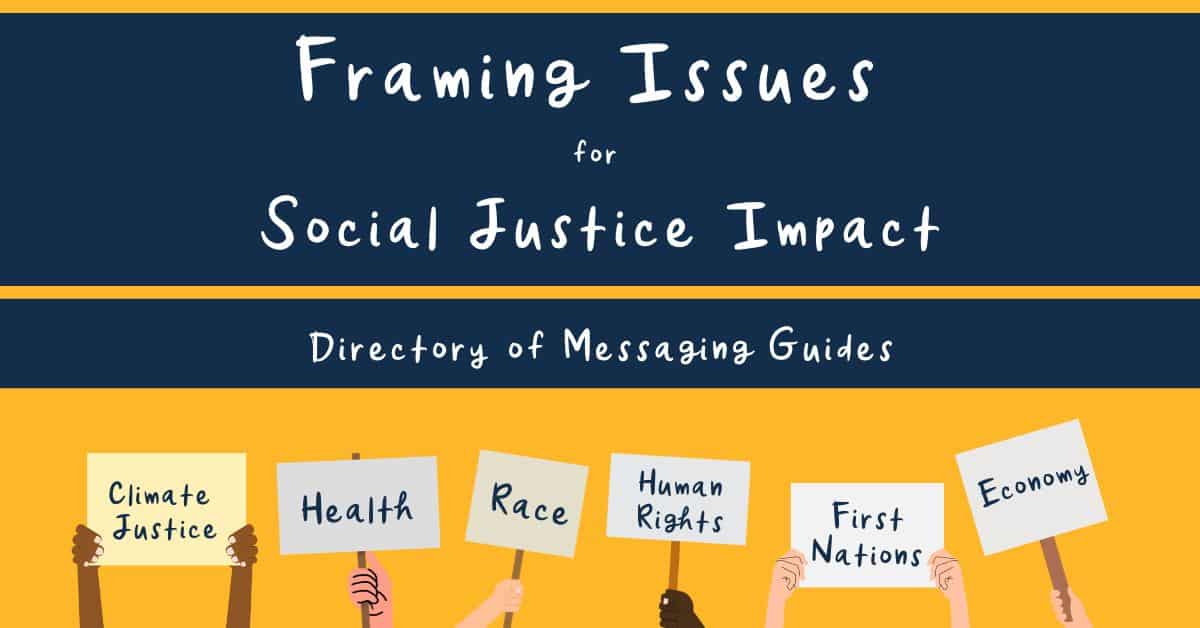
Understanding Issues and How to Address Them
Issues are a part of everyday life. They can arise at home, at work, in our communities or across society. Some are minor and quickly resolved; others are complex, affecting many people and requiring time, cooperation and careful thought. Understanding an issue is often the first step towards finding a practical way forward.
What Do We Mean by an Issue?
An issue is a matter of concern, disagreement or difficulty that needs attention. It might be a simple problem, such as a missed appointment, or a broader challenge, such as access to housing, environmental protection or workplace wellbeing.
Issues can affect individuals directly, or have consequences for families, organisations and communities. They may also be connected: a challenge in one area can make another harder to solve. That is why it helps to look beyond the immediate symptoms and consider the wider circumstances.
Why Issues Can Be Difficult to Solve
Many issues do not have a single cause or an obvious solution. People may have different experiences, priorities and views about what should happen. Information can be incomplete, and decisions may involve trade-offs between competing needs.
Some issues also develop over time. If a concern is overlooked or addressed only temporarily, it can become more difficult to manage. Recognising a problem early and listening to the people affected can help prevent it from growing.
A Practical Approach to Addressing Issues
While every situation is different, a few straightforward steps can make problem-solving more effective:
- Define the issue: Be clear about what is happening and why it matters.
- Gather reliable information: Check facts and consider more than one perspective.
- Listen to those affected: Their experiences can reveal details that might otherwise be missed.
- Identify possible options: Consider practical responses, including their likely benefits and drawbacks.
- Take action: Agree on a realistic next step and who is responsible for it.
- Review the result: Check whether the response has helped and make changes if needed.
The Role of Communication
Clear, respectful communication is essential when dealing with issues. It can help people explain their concerns, correct misunderstandings and work towards a shared understanding. Asking questions and listening without rushing to judgement can be just as important as presenting a solution.
When an issue involves disagreement, focusing on the facts and the outcome everyone hopes to achieve can make discussions more constructive. It may not remove every difference of opinion, but it can help keep the conversation productive.
When to Seek Support
Some issues are best handled with help from someone who has relevant experience or expertise. This might be a manager, community organisation, qualified professional or appropriate support service. Seeking help is a sensible step when a situation feels unsafe, overwhelming or beyond your knowledge.
Moving Forward
Issues are not always resolved quickly, and progress can take more than one attempt. A thoughtful approach—grounded in reliable information, open communication and practical action—can make challenges easier to understand and manage. By paying attention to concerns and working together, individuals and communities can find better ways forward.
Meaning, Synonyms, Usage and Examples
- What is the synonym of Issues?
- What does having Issues mean?
- What is a synonym for concern or issue?
- What is the meaning of the word issue?
- What is the meaning of the word Issues?
- When to use Issues?
- What is a better word for issue?
- What is an example of an issue?
What is the synonym of Issues?
Synonyms for “issues” depend on the context. When it means problems or difficulties, alternatives include “concerns”, “challenges”, “troubles” and “complications”. When it refers to topics or matters for discussion, you could use “subjects”, “topics”, “questions” or “matters”. For example, “We discussed several important issues” could become “We discussed several important matters”.
What does having Issues mean?
Having “issues” means experiencing a problem, concern or difficulty that needs attention. The term can refer to anything from a practical challenge, such as a disagreement or a technical fault, to a more personal or complex concern. What it means depends on the context, so it’s helpful to be clear about the specific issue and how it is affecting you.
What is a synonym for concern or issue?
A synonym for “concern” or “issue” depends on the context. “Problem”, “matter”, “difficulty” and “challenge” are common alternatives. For example, you could describe a workplace issue as a “matter” or a “problem”, while a personal concern might be called a “worry” or “anxiety”.
What is the meaning of the word issue?
The word “issue” has several meanings, depending on the context. It can refer to a subject or problem people are discussing, such as a social issue; a particular edition of a magazine or publication; or the act of supplying or distributing something, as in issuing a statement or licence. In formal or legal language, “issue” can also mean a person’s children or descendants.
What is the meaning of the word Issues?
The word “issues” is the plural of “issue” and can mean topics or matters being discussed, problems or difficulties that need attention, or concerns affecting a person or group. Its meaning depends on the context—for example, “current issues” may refer to important topics in the news, while “technical issues” means problems with equipment or software.
When to use Issues?
Use Issues when you need to raise, track or discuss a problem, concern or challenge that requires attention. This could include a technical fault, a service complaint, a disagreement or a broader topic affecting you or your community. Provide clear details so others can understand the issue and help work towards a solution.
What is a better word for issue?
A better word for “issue” depends on the context. If you mean something that needs fixing, try “problem” or “difficulty”; for a topic being discussed, use “subject” or “matter”; and for a disagreement, “concern” or “dispute” may fit better. Choosing a more specific word can make your meaning clearer.
What is an example of an issue?
An example of an issue is a leaking tap at home. It may seem minor, but if left unfixed it can waste water, increase bills and cause damage. Identifying the cause and arranging a repair are practical steps towards resolving it.
Understanding Issues and How to Address Them Issues are a part of everyday life. They can arise at home, at work, in our communities or across society. Some are minor and quickly resolved; others are complex, affecting many people and requiring time, cooperation and careful thought. Understanding an issue is often the first step towards…