
Sinusitis Treatment: Effective Ways to Relieve Symptoms

Sinusitis Treatment: What Can Help?
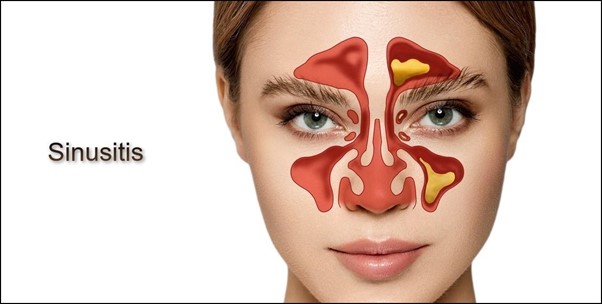
Sinusitis is inflammation of the lining of the sinuses, the air-filled spaces around the nose and eyes. It often develops during or after a cold and can cause a blocked or runny nose, facial pressure or pain, reduced sense of smell, and thick nasal mucus. Most short-term cases are caused by a virus and improve without antibiotics.
Treatment depends on how long symptoms have lasted, how severe they are and whether there may be another cause. The advice below is general and is not a substitute for assessment by a doctor or pharmacist.
Self-care for mild sinusitis
For many people, simple measures can ease discomfort while the body recovers:
- Rest and drink fluids. These may help you feel more comfortable while you recover.
- Try a saline nasal rinse or spray. Rinsing can help clear mucus. Use a pharmacy saline product, or follow reliable instructions to prepare a rinse. Only use distilled or sterile water, or tap water that has been boiled and then cooled. Clean and dry the rinse device after use.
- Use a warm face cloth. A warm compress over the nose and cheeks may ease facial discomfort.
- Avoid smoke and other irritants. Cigarette smoke and strong fumes can aggravate nasal symptoms.
Steam inhalation has not been shown to reliably treat sinusitis and can cause serious burns, particularly in children. Avoid leaning over bowls of hot water.
Medicines that may help
Pain relief
Paracetamol or ibuprofen may help with pain or fever if they are suitable for you. Follow the packet directions and check with a pharmacist or doctor if you are unsure, take other medicines, have an ongoing health condition, or are pregnant. Do not give aspirin to children unless a doctor has specifically advised it.
Nasal corticosteroid sprays
A corticosteroid nasal spray can reduce inflammation and may ease congestion, particularly when symptoms are persistent or linked to allergies. These sprays work best when used regularly and may take several days to have an effect. Follow the label or a health professional’s advice, and ask a pharmacist about correct technique. Direct the spray slightly outwards, away from the middle wall of the nose, to reduce irritation.
Decongestants
Some decongestant sprays may provide short-term relief, but using them for longer than the product directions allow can make congestion worse. Ask a pharmacist before using a decongestant, especially for a child, during pregnancy or breastfeeding, or if you have conditions such as high blood pressure or heart disease. Oral decongestants are not suitable for everyone.
Antihistamines may be useful if allergies are contributing to symptoms, but they are not routinely helpful for sinusitis caused by a cold.
Do antibiotics treat sinusitis?
Antibiotics do not work against viruses, which cause most short-term sinusitis. A doctor may consider antibiotics if symptoms are severe, persist without improvement, worsen after initially getting better, or suggest a bacterial infection. The decision depends on the overall symptoms and medical history. Taking antibiotics when they are not needed can cause side effects and contribute to antibiotic resistance.
Do not use leftover antibiotics or take someone else’s prescription. If antibiotics are prescribed, take them exactly as directed and ask the prescriber or pharmacist if you have questions.
When to see a doctor
Contact a GP or other health professional if symptoms are severe, are getting worse, last longer than expected, keep returning, or are affecting sleep and daily activities. Seek advice sooner for a young child, someone with a weakened immune system, or a person with significant ongoing health conditions.
Get urgent medical care for swelling or redness around an eye, vision changes, severe headache, confusion, a stiff neck, unusual drowsiness, or a high fever with a very unwell appearance. These symptoms may indicate a serious complication.
Long-lasting or recurring sinusitis
Sinus symptoms lasting around 12 weeks or longer, or frequent episodes, should be assessed by a doctor. Allergies, nasal polyps, dental problems and other conditions can contribute to ongoing symptoms. A GP may recommend further treatment or refer you to an ear, nose and throat specialist if needed.
The bottom line
Most short-term sinusitis gets better with time and supportive care. Saline rinses, suitable pain relief and, in some cases, a corticosteroid nasal spray may help manage symptoms. Antibiotics are only appropriate in selected cases. Seek medical advice if symptoms are severe, persistent or worsening, and get urgent help for eye symptoms, vision changes or signs of serious illness.
9 Benefits of Sinusitis Treatment and Self-Care
- Most cases improve with time and self-care.
- Saline rinses can help clear nasal mucus.
- Warm compresses may ease facial pressure.
- Suitable pain relief can reduce discomfort.
- Nasal steroid sprays may reduce inflammation.
- A pharmacist can help choose safe treatments.
- Antibiotics are avoided when they are not needed.
- Medical advice can identify persistent or recurring causes.
- Prompt care helps address warning signs and complications.
Potential Drawbacks of Sinusitis Treatment
- Relief can take time.
- Decongestant sprays can worsen congestion if overused.
- Medicines may cause side effects.
- Unnecessary antibiotics can contribute to resistance.
Most cases improve with time and self-care.
One of the benefits of treating sinusitis is that most cases improve with time and simple self-care. Rest, fluids and saline nasal rinses may help ease discomfort as your body recovers, without the need for prescription medicines. This can make treatment straightforward, though persistent, worsening or severe symptoms should be checked by a health professional.
Saline rinses can help clear nasal mucus.
Saline rinses can help clear mucus from the nasal passages, easing blockage and making it easier to breathe. They may also wash away irritants and help keep the nose comfortable while sinusitis improves. Use a pharmacy saline product or follow trusted instructions, and always use distilled or sterile water, or tap water that has been boiled and cooled.
Warm compresses may ease facial pressure.
Applying a warm compress to your cheeks or forehead may help ease the facial pressure and discomfort that can come with sinusitis. The gentle warmth can feel soothing, especially when you’re resting. Use a clean, warm—not hot—cloth for a few minutes at a time, and re-warm it as needed. A warm compress can offer temporary comfort, but it won’t treat the underlying cause of sinusitis.
Suitable pain relief can reduce discomfort.
Suitable pain relief, such as paracetamol or ibuprofen when appropriate, can ease sinusitis-related facial pain, headaches and fever, making it more comfortable to rest and manage everyday activities. Always follow the directions on the packet, and ask a pharmacist or doctor for advice if you’re unsure which option is safe for you.
Nasal steroid sprays may reduce inflammation.
Nasal steroid sprays may help reduce inflammation inside the nose, easing swelling and congestion associated with sinusitis. Used as directed, they can make it easier to breathe through the nose and may help relieve symptoms, although they can take several days to work. Ask a pharmacist or doctor whether a nasal steroid spray is suitable for you, and follow the product instructions.
A pharmacist can help choose safe treatments.
A pharmacist can help you choose a sinusitis treatment that’s appropriate and safe for you. They can explain how to use options such as saline rinses, pain relief or nasal sprays, check whether these may interact with your other medicines, and advise when it’s best to see a GP. This is especially useful if you’re pregnant, treating a child, or have an ongoing health condition.
Antibiotics are avoided when they are not needed.
Avoiding antibiotics when they’re not needed is an important part of treating sinusitis safely. Most short-term cases are caused by viruses, so antibiotics won’t help symptoms improve and may cause side effects such as nausea or diarrhoea. Using them only when a health professional considers them appropriate also helps reduce antibiotic resistance, so these medicines remain effective for bacterial infections that need treatment.
Medical advice can identify persistent or recurring causes.
Seeking medical advice can help identify why sinusitis symptoms are persistent or keep returning. A GP can assess possible contributing factors, such as allergies, nasal polyps or dental problems, and recommend suitable treatment or further investigation.
Prompt care helps address warning signs and complications.
Prompt care for sinusitis can help identify warning signs early and reduce the risk of complications. A health professional can assess symptoms such as severe or worsening facial pain, a high fever, swelling around the eyes or changes in vision, and recommend the right next steps. Seeking urgent care for serious symptoms is especially important, as it may help prevent problems from becoming more severe.
Relief can take time.
One drawback of sinusitis treatment is that relief can take time. Saline rinses and pain relief may ease some symptoms, but they may not clear congestion or facial pressure straight away. Nasal corticosteroid sprays can also take several days of regular use to have an effect. While waiting for symptoms to improve, follow the product directions and seek medical advice if they become severe, worsen or persist.
Decongestant sprays can worsen congestion if overused.
Decongestant nasal sprays can provide quick, short-term relief from a blocked nose, but using them for longer than the recommended period may cause rebound congestion. This means the nasal passages can become more blocked once the spray wears off, encouraging further use and making the problem worse. Always follow the instructions on the packet, and ask a pharmacist or GP if congestion persists.
Medicines may cause side effects.
Medicines used to treat sinusitis can cause side effects, and the risks vary depending on the product and the person taking it. Pain relievers may upset the stomach or be unsuitable for some health conditions, while nasal sprays can cause irritation or nosebleeds. Decongestants may lead to restlessness or affect blood pressure, and using some nasal decongestant sprays for longer than directed can make congestion worse. Read the label, follow the recommended directions and ask a pharmacist or GP if you’re unsure which treatment is safe for you.
Unnecessary antibiotics can contribute to resistance.
Antibiotics do not work against viruses, which cause most cases of acute sinusitis. Taking them when they are not needed can cause side effects and contribute to antibiotic resistance, making bacterial infections harder to treat in the future. Use antibiotics only when prescribed by a health professional, and take them exactly as directed.
Sinusitis Treatment: What Can Help? Sinusitis is inflammation of the lining of the sinuses, the air-filled spaces around the nose and eyes. It often develops during or after a cold and can cause a blocked or runny nose, facial pressure or pain, reduced sense of smell, and thick nasal mucus. Most short-term cases are caused…