
Art Prints: A Simple Way to Bring Personality to Your Home

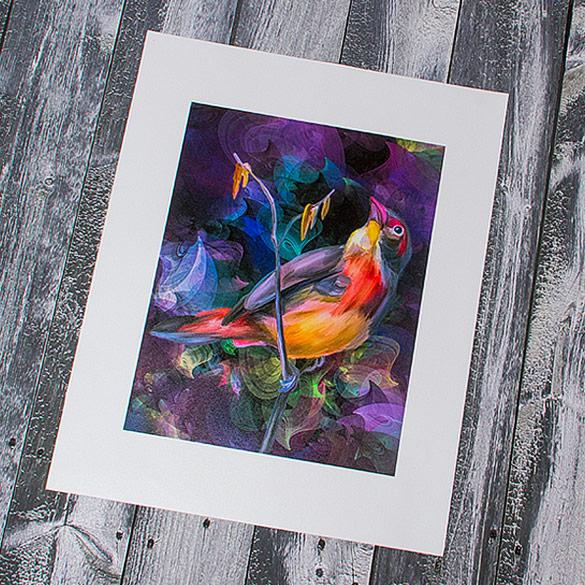
Art Prints: An Accessible Way to Bring Art into Your Home
Art prints make it easier to enjoy artwork in everyday spaces. From bold contemporary designs to classic illustrations and photographic images, a print can add colour, character and a personal touch to a room—without the cost or care requirements often associated with an original artwork.
What is an art print?
An art print is an image reproduced on paper or another surface. It may be created digitally, photographed from an original work or produced using a traditional printmaking technique such as screen printing, etching or lithography.
Prints are often made in editions. An open edition can be produced in unlimited quantities, while a limited edition has a set number of copies. Limited-edition prints are usually numbered and signed by the artist, though the value and collectability of a print depend on factors such as the artist, printing method, edition size and demand.
Choosing a print
Start with the mood you want to create. A colourful abstract print can bring energy to a living area, while a landscape or botanical image may give a bedroom a calmer feel. You could also choose a subject that has personal meaning, such as a favourite place, a memorable trip or an artist whose work you admire.
Consider the size of the wall and the furniture around it. A small print can look lost on a large, empty wall, while an oversized piece may overwhelm a compact room. For a gallery wall, choose a mix of sizes and frames, or use a consistent frame style to help the collection feel cohesive.
Paper, printing and framing
The paper and printing process can affect a print’s appearance. Fine art papers may have a textured or matte finish, while glossy papers can make colours appear brighter. When shopping, check the print dimensions, paper type and whether the artwork comes framed. Product images can make a print appear larger or smaller than it is, so compare the listed measurements with your wall space.
A suitable frame can protect a print and help it sit comfortably within your décor. A mat—also known as a mount—creates a border between the image and the frame, adding visual space and helping keep the artwork from touching the glazing. For prints displayed in bright rooms, UV-filtering glazing can help reduce fading, although no glazing can prevent all damage from prolonged sunlight.
Displaying and caring for art prints
Keep prints away from direct sunlight, damp areas and sources of heat. Bathrooms and kitchens can be challenging places to display paper artwork because changes in moisture and temperature may cause damage. When cleaning a framed print, wipe the frame and glazing gently with a soft cloth, taking care not to let cleaning products seep under the frame.
If you’re storing an unframed print, keep it flat in a clean, dry place and protect it from dust, pressure and moisture. Avoid attaching tape or adhesive directly to the artwork, as it can stain or tear the paper.
A personal finishing touch
Art prints offer a flexible way to make a space feel more like your own. Whether you choose a single statement piece or build a collection over time, look for work you’ll be happy to live with. The right print doesn’t need to match every colour in a room; it simply needs to feel at home there.
8 Tips for Choosing, Displaying and Caring for Art Prints
- Choose archival-quality paper for lasting colour.
- Check the print size before ordering.
- Use a frame that suits your room.
- Keep prints out of direct sunlight.
- Handle prints with clean, dry hands.
- Match the print’s colours to your décor.
- Compare matte and glossy finishes.
- Store unframed prints flat and dry.
Choose archival-quality paper for lasting colour.
Choose archival-quality paper to help your art print retain its colour and condition over time. Look for acid-free paper made to resist yellowing and deterioration, and pair it with good-quality inks and framing for added protection. Keep the print out of direct sunlight and away from damp areas, as these can still cause fading or damage.
Check the print size before ordering.
Before ordering an art print, check its dimensions and compare them with the space where you plan to display it. Product photos can make a print look larger or smaller than it is, so measure your wall and consider nearby furniture. If you’re choosing a frame as well, check whether the listed size refers to the image or the finished framed piece.
Use a frame that suits your room.
Choose a frame that complements both the artwork and the room it will be displayed in. A simple timber frame can add warmth, while a sleek black or white frame may suit a more contemporary space. Consider the room’s colours, furniture and overall style, but make sure the frame doesn’t overpower the print. A mat can also create a little breathing space around the artwork and give it a polished finish.
Keep prints out of direct sunlight.
Keep art prints out of direct sunlight, as prolonged exposure can cause colours to fade and paper to yellow or become brittle. Hang them on a shaded wall, or choose a spot away from windows to help preserve their appearance. For extra protection, consider UV-filtering glazing, while remembering that it can reduce—but not completely prevent—sun damage.
Handle prints with clean, dry hands.
Handle art prints with clean, dry hands to help prevent fingerprints, smudges and moisture from marking the surface. Hold the print by its edges rather than touching the image, and avoid placing it face down on rough or dirty surfaces.
Match the print’s colours to your décor.
Choose an art print with colours that complement your décor to create a sense of harmony in the room. You don’t need an exact match: pick up one or two shades from your cushions, rug or furniture, or use a contrasting colour to add a lively focal point. For a balanced look, consider the overall palette and mood of the space, and choose a print that feels connected without blending into the background.
Compare matte and glossy finishes.
Compare matte and glossy finishes before choosing an art print. Matte paper has a soft, non-reflective surface that can reduce glare and give artwork a subtle, textured look, while glossy paper tends to make colours appear brighter and more vivid. Consider the lighting and style of the room, as well as how you want the image to look, to find the finish that suits your space.
Store unframed prints flat and dry.
Store unframed art prints flat in a clean, dry place to help prevent them from curling, creasing or absorbing moisture. Keep them protected from dust and direct sunlight, and avoid placing heavy objects on top. For extra protection, use an archival sleeve or acid-free backing board.
Art Prints: An Accessible Way to Bring Art into Your Home Art prints make it easier to enjoy artwork in everyday spaces. From bold contemporary designs to classic illustrations and photographic images, a print can add colour, character and a personal touch to a room—without the cost or care requirements often associated with an original…