
Rastafarians: Faith, Identity and a Global Movement

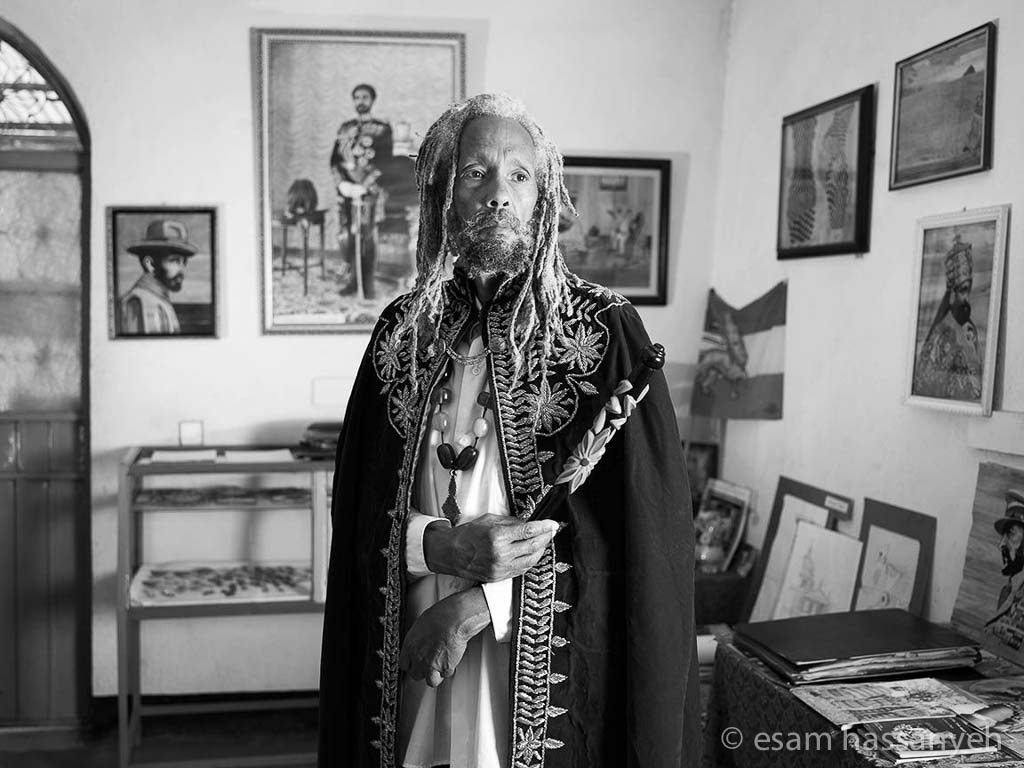
Rastafarians: Faith, Identity and a Global Movement
Rastafarianism—also known as Rastafari—is a religious and cultural movement that began in Jamaica in the 1930s. It grew from African-centred spiritual traditions and a response to colonialism, racism and the lasting effects of slavery. Today, Rastafari is practised around the world, with followers expressing its beliefs and values in diverse ways.
Origins in Jamaica
Rastafari emerged during a period when many Black Jamaicans were seeking dignity, identity and freedom from colonial ideas that portrayed European culture as superior. Jamaican preacher and activist Leonard Howell was among the movement’s early figures. The teachings of Marcus Garvey, a Jamaican-born advocate for Black pride and unity, also helped shape Rastafari thought.
In 1930, Ras Tafari Makonnen was crowned Emperor Haile Selassie I of Ethiopia. For many early Rastafarians, his coronation fulfilled a prophecy associated with Garvey’s teachings and represented the possibility of African liberation. The name “Rastafari” comes from his pre-coronation title: Ras, a title meaning roughly “head” or “chief”, and Tafari, his given name.
Beliefs and spiritual life
Rastafari has no single central authority, formal creed or universal set of practices. Beliefs vary between individuals and communities. Many Rastafarians regard Haile Selassie I as divine, as a messianic figure or as a symbol of African sovereignty. Others place greater emphasis on his historical importance and the movement’s wider spiritual and political principles.
Many Rastafarians use the word “Jah” for God, a form of the biblical name Yah. The Bible is important to many followers, though it may be interpreted in ways that challenge colonial readings of scripture. Spirituality is often connected with everyday life, justice, community and respect for the natural world.
Two commonly used terms are “Zion” and “Babylon”. Zion can refer to Africa—especially Ethiopia—as a spiritual homeland and a place of freedom. Babylon is often used to describe systems of oppression, injustice and exploitation. These ideas are understood differently across Rastafari communities.
Culture, language and symbols
Rastafari has influenced music, language, food and visual culture. Reggae helped introduce Rastafari ideas to audiences around the world, particularly through artists such as Bob Marley. Reggae is not itself a Rastafarian religion, and not all reggae musicians are Rastafarian, but the music has often carried messages about faith, resistance, peace and social justice.
Dreadlocks are a significant spiritual and cultural expression for many Rastafarians. They can be connected with biblical tradition, African identity and a commitment to natural living. However, not every Rastafarian wears dreadlocks, and the hairstyle alone does not indicate someone’s beliefs.
Some followers use distinctive forms of speech, including the pronouns “I and I” to express unity between people and the divine, or to emphasise shared humanity. The colours red, gold and green are also strongly associated with Rastafari, often representing struggle, Africa’s wealth and the land. The Ethiopian flag, with its own history and colours, is another important symbol.
Food and the idea of “ital” living
Many Rastafarians follow an “ital” way of eating and living. The term is commonly linked to “vital” and refers to food and habits considered natural, healthful and life-giving. Some people eat a plant-based diet, while others may include fish or other foods. Practices differ, so there is no single diet followed by all Rastafarians.
Cannabis has a spiritual role in some Rastafari traditions and may be used in rituals or meditation. It is not used by every Rastafarian, and it is not the defining feature of the movement. Its legal status also varies from place to place.
A diverse movement today
Rastafari continues to develop across the Caribbean, Africa, Europe, Australia and elsewhere. Some followers belong to organised groups or communities; others practise independently. The movement includes different perspectives on theology, culture, politics and daily life.
Rastafari is best understood as more than a set of familiar images or popular music. It is a living movement shaped by spiritual belief, African identity, resistance to oppression and the search for a more just way of life. Approaching it with care means recognising its history while respecting the diversity of the people who call themselves Rastafarian.
7 Tips for Respecting Rastafari People, Beliefs and Traditions
- Use “Rastafari” when referring to the movement or its followers.
- Remember that Rastafari beliefs and practices vary between individuals.
- Don’t assume every Rastafari person is Jamaican or lives in Jamaica.
- Avoid stereotypes about cannabis use, diet or appearance.
- Ask respectfully before discussing someone’s beliefs or practices.
- Get permission before photographing people or sacred items.
- Treat Rastafari symbols and traditions with respect, not as costumes.
Use “Rastafari” when referring to the movement or its followers.
Use “Rastafari” when referring to the movement, its beliefs or its followers. “Rastafarian” is also widely used, but “Rastafari” is often preferred by members of the community because it reflects the movement’s own language and identity. When writing about individuals or specific groups, follow the terms they use for themselves.
Remember that Rastafari beliefs and practices vary between individuals.
Rastafari is a diverse movement, so beliefs and practices can differ from one person to another and between communities. Some Rastafarians may follow particular spiritual traditions, dietary practices or styles of dress, while others may not. It’s best not to assume that one person’s choices represent everyone—listen respectfully and let individuals describe what Rastafari means to them.
Don’t assume every Rastafari person is Jamaican or lives in Jamaica.
Rastafari began in Jamaica, but it is now a global movement with followers in many countries, including across Africa, Europe, Australia and the Americas. Rastafari people come from diverse cultural and national backgrounds, so it’s best not to assume someone is Jamaican or lives in Jamaica based on their faith, appearance or cultural practices.
Avoid stereotypes about cannabis use, diet or appearance.
Avoid assuming that all Rastafarians use cannabis, follow a particular diet or wear dreadlocks. Rastafari is a diverse movement, and people express their beliefs and cultural identity in different ways. Cannabis may have a spiritual role for some, while others do not use it; eating practices and appearance also vary. It’s more respectful to learn about each person’s own beliefs than to judge them by familiar stereotypes.
Ask respectfully before discussing someone’s beliefs or practices.
When talking with someone who is Rastafarian, ask respectfully before discussing their beliefs or practices, and accept it if they’d rather not talk about them. Rastafari is diverse, so avoid assuming that one person’s views, diet, appearance or spiritual practices represent everyone in the movement. A considerate question and an open mind can help make the conversation welcoming and respectful.
Get permission before photographing people or sacred items.
Before taking photos of Rastafarians, ask permission and respect their answer, especially during religious gatherings or ceremonies. Sacred items and personal expressions of faith may not be intended for public display, so check before photographing them too. A little courtesy helps protect people’s privacy and shows respect for their beliefs and culture.
Treat Rastafari symbols and traditions with respect, not as costumes.
Treat Rastafari symbols and traditions with respect, not as costumes. Dreadlocks, red, gold and green colours, and other expressions can carry deep spiritual, cultural and historical meaning for Rastafarians. Avoid using them as dress-ups or props, and take time to learn about their significance without assuming that every Rastafarian follows the same practices.
Rastafarians: Faith, Identity and a Global Movement Rastafarianism—also known as Rastafari—is a religious and cultural movement that began in Jamaica in the 1930s. It grew from African-centred spiritual traditions and a response to colonialism, racism and the lasting effects of slavery. Today, Rastafari is practised around the world, with followers expressing its beliefs and values…