
Fiber Rich Foods: Simple Ways to Boost Your Daily Fibre

Fibre-Rich Foods: What to Eat and Why They Matter
Fibre is the part of plant foods that isn’t fully digested in the small intestine. It helps keep the digestive system working well and can support overall health. Yet many people don’t get as much fibre as they need. Adding more fibre-rich foods to everyday meals is a practical way to improve your intake.
How much fibre do you need?
Australian guidelines recommend that adult women aim for about 25 grams of fibre a day, while adult men should aim for about 30 grams. Needs vary with age and individual circumstances, so these figures are a general guide.
Good sources of fibre
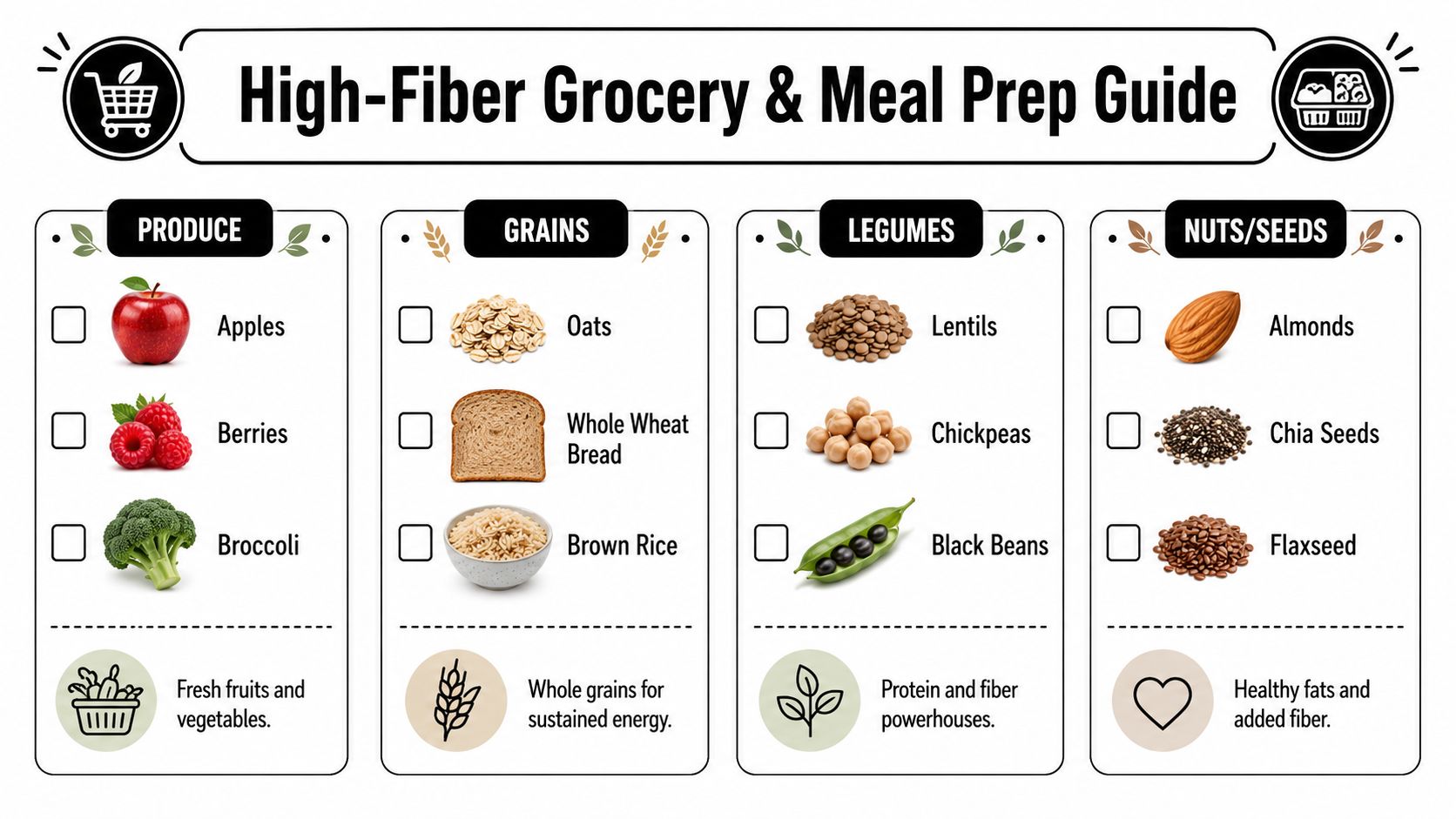
Fibre is found in plant foods, including fruit, vegetables, legumes, wholegrains, nuts and seeds. A varied diet can provide different kinds of fibre, so try to include a mix of these foods.
- Legumes: lentils, chickpeas, kidney beans, baked beans and split peas are versatile sources. Add them to soups, salads, curries or pasta dishes.
- Wholegrains: choose oats, barley, brown rice, wholemeal bread and wholegrain breakfast cereals. Check the label, as products can vary in fibre content.
- Fruit: pears, apples, berries, oranges and kiwifruit contribute fibre. Where practical, eat fruit with its skin on after washing it.
- Vegetables: peas, broccoli, carrots, sweet potato and leafy greens are useful options. Fresh, frozen and canned vegetables can all help.
- Nuts and seeds: chia seeds, linseeds, almonds and other nuts can be sprinkled over porridge, yoghurt or salads. Choose unsalted varieties when you can.
Simple ways to eat more fibre
Small changes can add up. Swap white bread for wholemeal bread, choose oats or a higher-fibre cereal at breakfast, and add beans or lentils to a meal you already enjoy. Keep fruit handy for snacks, and include vegetables with lunch and dinner.
When choosing packaged foods, compare the nutrition information panel and ingredient list. Look for wholegrain ingredients and check the fibre per serving, rather than relying only on claims on the front of the pack.
Increase fibre gradually
If you’re currently eating little fibre, increase your intake over time. A sudden change may cause bloating or wind. Drinking enough fluid is also important, as fibre absorbs water and works best as part of a balanced diet.
People with certain digestive conditions may need tailored advice about the type or amount of fibre that suits them. If you have ongoing symptoms or are unsure what to eat, speak with a GP or an Accredited Practising Dietitian.
The bottom line
Fibre-rich foods are everyday staples: fruit, vegetables, legumes, wholegrains, nuts and seeds. Including a range of them in your meals can help you work towards recommended fibre intake while adding variety to your diet.
7 Simple Tips to Eat More Fibre Every Day
- Choose wholegrain bread, pasta and rice.
- Add beans or lentils to soups and salads.
- Snack on fruit with the skin on.
- Include vegetables at lunch and dinner.
- Choose oats or high-fibre cereal for breakfast.
- Add nuts and seeds to yoghurt or porridge.
- Increase fibre gradually and drink plenty of water.
Choose wholegrain bread, pasta and rice.
Choose wholegrain bread, pasta and rice to add more fibre to everyday meals. These options are generally made with more of the grain intact than their refined counterparts, and are easy swaps for toast, sandwiches, pasta dishes and rice bowls. If you’re not used to wholegrains, try mixing them with refined versions at first and increase the amount gradually.
Add beans or lentils to soups and salads.
Add beans or lentils to soups and salads for an easy fibre boost. They’re filling, affordable and work well with a range of flavours—try chickpeas in a garden salad or lentils in a hearty vegetable soup. Canned varieties are convenient too; drain and rinse them before adding.
Snack on fruit with the skin on.
Snack on fruit with the skin on to get more fibre, as much of it is found in or just beneath the skin. Try a washed apple or pear, or enjoy plums and peaches whole. Choose fruit that’s easy to eat on the go, and remember that fresh, whole fruit is a simple way to add variety to your snacks.
Include vegetables at lunch and dinner.
Include vegetables at both lunch and dinner to boost your fibre intake throughout the day. Add salad or sliced vegetables to a sandwich, stir through extra vegies in a pasta sauce, or serve steamed greens and roasted vegetables alongside your main meal. Fresh, frozen and canned vegetables can all be convenient choices.
Choose oats or high-fibre cereal for breakfast.
Choose oats or a high-fibre cereal for breakfast to give your morning meal a fibre boost. Top it with fruit, nuts or seeds for extra flavour and variety, and check cereal labels to compare fibre content and choose options with less added sugar.
Add nuts and seeds to yoghurt or porridge.
Add a sprinkle of nuts or seeds to yoghurt or porridge for an easy fibre boost. Chia seeds, linseeds, almonds and walnuts also add texture and flavour, making breakfast more satisfying. Start with a small amount and drink enough water throughout the day, especially if you’re increasing your fibre intake.
Increase fibre gradually and drink plenty of water.
Increase your fibre intake gradually to give your digestive system time to adjust, as adding a lot at once may cause bloating or wind. Drink plenty of water throughout the day, too—fibre absorbs water and works best when you’re well hydrated.
Fibre-Rich Foods: What to Eat and Why They Matter Fibre is the part of plant foods that isn’t fully digested in the small intestine. It helps keep the digestive system working well and can support overall health. Yet many people don’t get as much fibre as they need. Adding more fibre-rich foods to everyday meals…