
Unveiling the Stealthy Menace: Navigating Kidney Disease Awareness

Kidney Disease: Understanding the Silent Threat
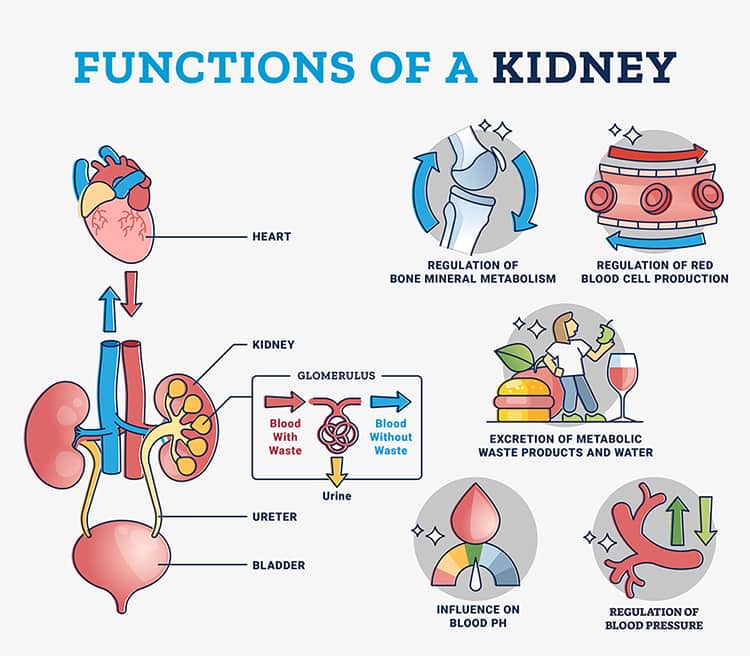
When it comes to our health, certain conditions can lurk beneath the surface, silently affecting our well-being. Kidney disease is one such stealthy threat that often goes unnoticed until it reaches advanced stages. The kidneys play a crucial role in filtering waste and excess fluids from our blood, maintaining a balance of electrolytes, and producing hormones that regulate blood pressure.
Chronic kidney disease (CKD) is a progressive condition wherein the kidneys gradually lose their ability to function properly. Symptoms may not be apparent in the early stages, leading to many individuals being unaware of their condition until complications arise. Factors such as diabetes, high blood pressure, family history of kidney disease, and age can increase the risk of developing CKD.
Early detection through regular screenings is key to managing kidney disease effectively. Simple tests like blood and urine analyses can help identify signs of kidney damage or dysfunction. Lifestyle changes such as maintaining a healthy diet low in sodium and processed foods, staying hydrated, exercising regularly, and avoiding smoking can also aid in preserving kidney health.
For those with advanced kidney disease, treatments such as dialysis or kidney transplantation may be necessary to sustain life. However, prevention remains the best medicine when it comes to kidney health. By raising awareness about the importance of regular check-ups and adopting healthy habits, we can work towards reducing the burden of kidney disease on individuals and healthcare systems alike.
Let’s shine a light on this silent threat and take proactive steps towards safeguarding our precious kidneys for a healthier future.
Understanding Kidney Disease: Answers to Common Questions on Symptoms, Treatment, and Prognosis
- Can kidney disease be cured?
- What are the first signs of kidney disease?
- How can I treat my kidney disease myself?
- What is the life expectancy of a person with kidney disease?
- What are the symptoms of a bad kidney?
- What does stage 1 kidney disease feel like?
Can kidney disease be cured?
In the realm of kidney disease, a commonly asked question revolves around its curability. While certain types of kidney disease can be managed and treated effectively to slow down progression and improve quality of life, the notion of a complete cure remains elusive for many cases. Chronic kidney disease, in particular, is often considered irreversible once it reaches advanced stages. However, early detection, proper medical intervention, lifestyle modifications, and adherence to treatment plans can significantly enhance outcomes and help individuals with kidney disease lead fulfilling lives despite the challenges they may face. It is essential for individuals to work closely with healthcare professionals to develop personalized care strategies tailored to their specific condition and needs.
What are the first signs of kidney disease?
Detecting kidney disease in its early stages is crucial for effective management and treatment. The first signs of kidney disease may be subtle and easily overlooked, which is why awareness is key. Common early indicators include changes in urination patterns, such as increased frequency or difficulty urinating, foamy or dark urine, persistent puffiness around the eyes or swelling in the hands and feet, unexplained fatigue or weakness, and elevated blood pressure. If you experience any of these symptoms or have risk factors such as diabetes or high blood pressure, it’s important to consult a healthcare professional for proper evaluation and guidance on maintaining kidney health.
How can I treat my kidney disease myself?
While self-treatment for kidney disease is not recommended without consulting a healthcare professional, there are lifestyle changes and habits that individuals can adopt to support kidney health. Managing conditions like diabetes and high blood pressure, which are common risk factors for kidney disease, through medication compliance and regular monitoring is crucial. Maintaining a balanced diet low in sodium, processed foods, and added sugars can also help reduce strain on the kidneys. Staying hydrated by drinking an adequate amount of water each day, engaging in regular physical activity, avoiding smoking, and limiting alcohol consumption are additional steps that can contribute to overall kidney wellness. However, it’s essential to work closely with a healthcare provider to develop a personalized treatment plan tailored to your specific needs and condition.
What is the life expectancy of a person with kidney disease?
Inquiring about the life expectancy of an individual with kidney disease is a common concern for many. The prognosis can vary greatly depending on various factors such as the underlying cause of the kidney disease, the stage at which it is diagnosed, and the effectiveness of treatment and management strategies employed. Generally, early detection and proactive management can significantly improve outcomes and quality of life for those affected by kidney disease. Engaging in regular medical monitoring, adhering to prescribed treatments, adopting a healthy lifestyle, and seeking support from healthcare professionals can all play pivotal roles in prolonging life expectancy and enhancing overall well-being for individuals navigating the challenges of kidney disease.
What are the symptoms of a bad kidney?
Recognizing the symptoms of kidney dysfunction is crucial for early intervention and management. Common signs of a deteriorating kidney function, often referred to as “bad kidneys,” include fatigue, swelling in the hands, feet, or face (edema), changes in urination patterns such as increased frequency or dark-colored urine, persistent itching, nausea, and unexplained weight loss. Additionally, individuals may experience high blood pressure, difficulty concentrating, and general weakness. It is essential to consult a healthcare professional if experiencing any of these symptoms to assess kidney health and explore appropriate treatment options.
What does stage 1 kidney disease feel like?
In stage 1 kidney disease, individuals may not typically experience noticeable symptoms as the kidneys are still functioning relatively well. This early stage is often referred to as a “silent” phase, where kidney damage is present but may not manifest in physical discomfort. However, some individuals in stage 1 kidney disease may report subtle signs such as mild fatigue, occasional changes in urination patterns, or slight swelling in the hands or feet. It’s essential to remember that symptoms can vary among individuals, highlighting the importance of regular check-ups and screenings to monitor kidney health effectively.
Kidney Disease: Understanding the Silent Threat Kidney Disease: Understanding the Silent Threat When it comes to our health, certain conditions can lurk beneath the surface, silently affecting our well-being. Kidney disease is one such stealthy threat that often goes unnoticed until it reaches advanced stages. The kidneys play a crucial role in filtering waste and…