
Navigating the Troubles of a Middle Ear Infection: Understanding Symptoms and Treatment Options

The Ins and Outs of Middle Ear Infections
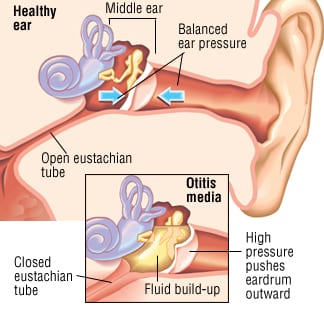
When it comes to common childhood ailments, middle ear infections often take center stage. Known medically as otitis media, this condition can cause discomfort and distress for both children and adults alike. Understanding the ins and outs of middle ear infections can help shed light on this prevalent health issue.
What is a Middle Ear Infection?
The middle ear is the space behind the eardrum that houses delicate bones responsible for transmitting sound waves to the inner ear. When this area becomes infected, usually due to bacteria or viruses, inflammation occurs, leading to a buildup of fluid and pressure. This can result in pain, hearing difficulties, and sometimes even temporary hearing loss.
Symptoms to Watch Out For
Common symptoms of a middle ear infection include:
- Ear pain or discomfort
- Fever
- Difficulty hearing
- Fluid draining from the ear
- Irritability in young children
Treatment Options
In many cases, middle ear infections resolve on their own without the need for medical intervention. However, if symptoms persist or are severe, a healthcare provider may recommend:
- Antibiotics to combat bacterial infections
- Pain relievers to alleviate discomfort
- Eardrops to reduce inflammation and pain
- In some cases, surgical intervention may be necessary for chronic or recurrent infections.
Prevention Tips
While some middle ear infections are unavoidable, there are steps you can take to reduce the risk:
- Avoid exposure to secondhand smoke
- Promote good hand hygiene to prevent the spread of germs
- Keep up-to-date with vaccinations that protect against common pathogens that cause ear infections.
- Avoid putting objects in your ears that could damage delicate structures.
In Conclusion
Middle ear infections are a common health concern that can affect individuals of all ages. By recognizing the symptoms, seeking appropriate treatment when needed, and taking preventive measures where possible, you can help mitigate the impact of these pesky infections on your health and well-being.
Middle Ear Infections: Answers to 7 Common Questions on Symptoms, Treatment, and When to Seek Medical Advice
- How do you treat an infected middle ear?
- How to drain fluid from the middle ear naturally?
- What are the symptoms of a middle ear infection in adults?
- How long does it take for a middle ear infection to go away?
- How do you know if you have a middle ear infection?
- How do you get rid of a middle ear infection?
- When to see a doctor for an ear infection?
How do you treat an infected middle ear?
When it comes to treating an infected middle ear, the approach typically involves a combination of strategies tailored to the individual’s specific situation. In many cases, healthcare providers may prescribe antibiotics to target bacterial infections causing the ear inflammation. Pain relievers can help alleviate discomfort, while eardrops may be recommended to reduce inflammation and pain directly in the affected ear. It’s essential to follow your healthcare provider’s guidance closely and attend follow-up appointments as needed to monitor progress and ensure proper healing. In some instances, surgical intervention may be necessary for chronic or severe cases of middle ear infections.
How to drain fluid from the middle ear naturally?
When it comes to draining fluid from the middle ear naturally, there are a few techniques that may offer relief. One commonly recommended method is the “Valsalva maneuver,” where you gently blow air through your nose while pinching your nostrils closed. This can help equalize pressure and potentially aid in fluid drainage. Additionally, staying hydrated, using warm compresses on the affected ear, and practicing gentle head movements to encourage fluid movement are other natural ways to promote drainage and alleviate discomfort associated with middle ear infections. It’s important to consult with a healthcare professional before attempting any home remedies to ensure they are safe and appropriate for your specific situation.
What are the symptoms of a middle ear infection in adults?
Middle ear infections in adults can manifest with various symptoms that may indicate the presence of this common ailment. Adults experiencing a middle ear infection may notice symptoms such as ear pain or discomfort, hearing difficulties, a feeling of fullness in the ear, and sometimes fluid drainage from the affected ear. Additionally, individuals may experience fever, dizziness, and even temporary hearing loss. It’s essential for adults experiencing these symptoms to seek medical attention promptly to receive an accurate diagnosis and appropriate treatment to alleviate discomfort and prevent potential complications.
How long does it take for a middle ear infection to go away?
The duration for a middle ear infection to resolve can vary depending on various factors such as the individual’s health condition, the severity of the infection, and the chosen treatment approach. In many cases, mild middle ear infections may clear up on their own within a few days to a week. However, more severe infections or those caused by bacteria may require antibiotics and could take up to two weeks or longer to fully resolve. It’s essential to consult a healthcare provider for an accurate diagnosis and appropriate treatment plan tailored to your specific situation for timely recovery and symptom relief.
How do you know if you have a middle ear infection?
Recognizing the signs of a middle ear infection is crucial in seeking timely treatment. Common indicators include ear pain or discomfort, a feeling of fullness in the ear, difficulty hearing, and sometimes fluid drainage from the ear. In children, symptoms may also include irritability and tugging at the ears. If you experience any of these symptoms, especially accompanied by fever or worsening pain, it is advisable to consult a healthcare provider for a proper diagnosis and appropriate management of the infection.
How do you get rid of a middle ear infection?
When it comes to getting rid of a middle ear infection, the approach can vary depending on the severity and underlying cause of the infection. In many cases, middle ear infections can resolve on their own without medical intervention, especially if they are mild. However, if symptoms persist or worsen, seeking advice from a healthcare provider is recommended. Treatment options may include antibiotics for bacterial infections, pain relievers to alleviate discomfort, and eardrops to reduce inflammation. It’s essential to follow the guidance of a healthcare professional to ensure proper management and resolution of the middle ear infection.
When to see a doctor for an ear infection?
If you or your child are experiencing persistent ear pain, drainage from the ear, fever, or hearing difficulties, it is advisable to consult a healthcare professional for an accurate diagnosis and appropriate treatment. While some ear infections may resolve on their own, severe or recurrent symptoms warrant medical attention to prevent potential complications and ensure prompt relief. A doctor can assess the severity of the infection, prescribe necessary medications, and provide guidance on managing symptoms effectively. Don’t hesitate to seek medical advice if you have concerns about an ear infection – early intervention can make a significant difference in your recovery process.
The Ins and Outs of Middle Ear Infections When it comes to common childhood ailments, middle ear infections often take center stage. Known medically as otitis media, this condition can cause discomfort and distress for both children and adults alike. Understanding the ins and outs of middle ear infections can help shed light on this…
magnificent post, very informative. I’m wondering why the other specialists of this sector don’t
realize this. You must continue your writing.
I’m confident, you have a great readers’ base already! https://meds24.sbs/
Thank you for your positive feedback on our article about middle ear infections. We appreciate your support and encouragement to continue providing informative content on this important health topic. Your kind words motivate us to keep sharing valuable information with our readers. If you have any further questions or feedback, feel free to reach out.