
Mastering the Art of Paper Cutting: A Creative Journey

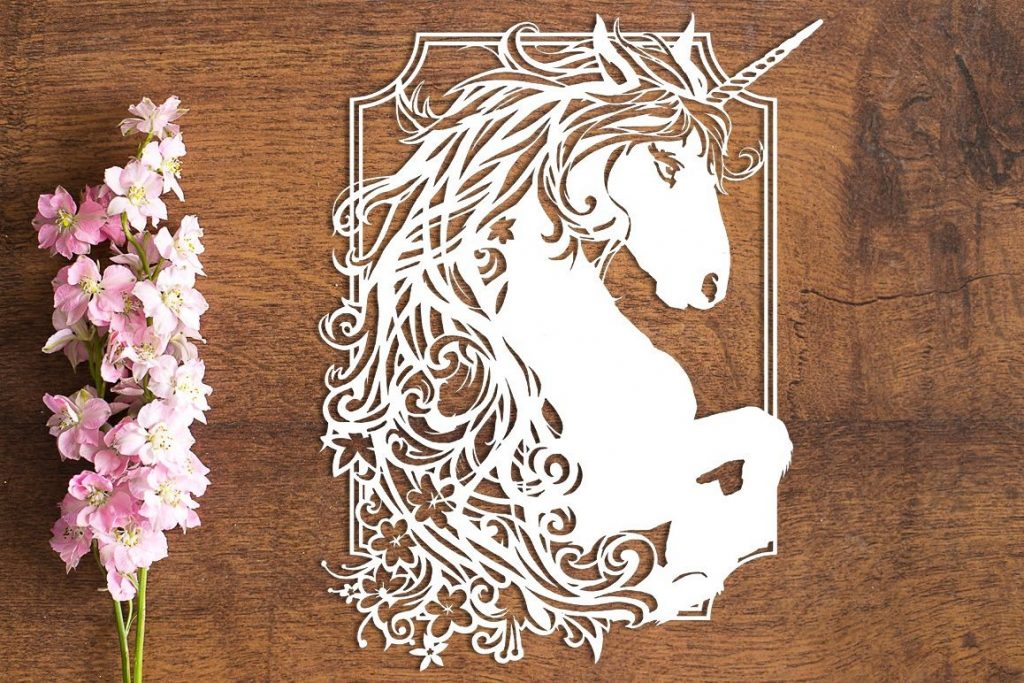
The Art of Paper Cutting
Paper cutting, also known as papercutting or scherenschnitte, is a delicate and intricate art form that has been practiced for centuries across various cultures. It involves the careful cutting of paper to create intricate designs, patterns, and images. While it may seem simple at first glance, paper cutting requires precision, patience, and creativity.
Origins of paper cutting can be traced back to ancient China, where it was a popular folk art form. Over time, it spread to other parts of the world, each region adding its unique style and techniques to the craft. In countries like Japan and Germany, paper cutting evolved into distinct art forms with their own cultural significance.
One of the most fascinating aspects of paper cutting is its versatility. Artists can use a variety of tools such as scissors, knives, or even lasers to create intricate designs on different types of paper. From simple silhouettes to elaborate lace-like patterns, the possibilities are endless.
Today, paper cutting continues to captivate audiences with its beauty and intricacy. It is not only a form of artistic expression but also a therapeutic practice for many who find solace in the meticulous process of cutting and shaping paper.
Whether you’re a seasoned artist or just starting out, exploring the world of paper cutting can be a rewarding experience. With practice and dedication, you can master this ancient art form and create stunning pieces that showcase your creativity and skill.
So next time you have a piece of paper in front of you, consider picking up a pair of scissors or a craft knife and try your hand at paper cutting. You might just discover a new passion that allows you to express yourself in ways you never thought possible.
Exploring Paper Cutting: Origins, Tools, Techniques, and Modern Applications
- What is paper cutting?
- How did paper cutting originate?
- What tools are used for paper cutting?
- Is paper cutting a traditional art form?
- What are the different styles of paper cutting?
- Can anyone learn how to do paper cutting?
- Are there specific techniques for intricate paper cutting designs?
- What are some common applications of paper cutting in modern times?
What is paper cutting?
Paper cutting, also known as papercutting or scherenschnitte, is a traditional art form that involves meticulously cutting paper to create intricate designs, patterns, and images. This delicate craft has a rich history that spans across various cultures and has evolved into a versatile and captivating form of artistic expression. Artists use a range of tools and techniques to transform plain sheets of paper into stunning works of art, showcasing their creativity and skill through precision cutting and intricate detailing. Whether it’s simple silhouettes or elaborate lace-like patterns, paper cutting offers a unique way to explore creativity and bring imagination to life through the delicate medium of paper.
How did paper cutting originate?
Paper cutting, also known as papercutting or scherenschnitte, has a rich history that dates back centuries. The art of paper cutting is believed to have originated in ancient China, where it was a popular folk art form. Over time, it spread to other regions around the world, each adding its unique cultural influences and techniques to the craft. From China to Japan and Germany, paper cutting evolved into distinct art forms with their own traditions and styles. The intricate designs and patterns created through paper cutting showcase the creativity and skill of artists throughout history, making it a timeless and cherished art form that continues to captivate audiences today.
What tools are used for paper cutting?
When it comes to paper cutting, a variety of tools can be used to bring intricate designs to life. Some common tools include precision scissors, craft knives with sharp blades, cutting mats to protect surfaces, and rulers for straight lines. More advanced paper cutters may opt for specialized tools like laser cutters or electronic cutting machines for precise and complex designs. The choice of tool often depends on the artist’s preference, the intricacy of the design, and the desired outcome of the paper cutting project.
Is paper cutting a traditional art form?
Paper cutting is indeed a traditional art form that has deep roots in various cultures around the world. Originating centuries ago, paper cutting has been practiced in countries like China, Japan, Germany, and many others as a form of artistic expression and craftsmanship. The intricate designs and patterns created through paper cutting showcase the skill and creativity of artists who have honed this traditional craft over generations. While modern techniques and tools may have evolved, the essence of paper cutting as a traditional art form remains intact, preserving its cultural significance and beauty for future generations to appreciate.
What are the different styles of paper cutting?
When it comes to paper cutting, there are various styles that artists can explore to create unique and captivating designs. Some of the most common styles include silhouette paper cutting, where intricate shapes are cut out to form detailed images against a contrasting background. Another popular style is kirigami, a Japanese art form that involves both cutting and folding paper to create three-dimensional structures. Additionally, scherenschnitte, a traditional German paper cutting technique, focuses on creating delicate lace-like patterns through intricate cuts. Each style offers its own set of challenges and rewards, allowing artists to showcase their creativity and skill in different ways within the realm of paper cutting.
Can anyone learn how to do paper cutting?
Learning how to do paper cutting is definitely achievable with dedication and practice. While it may seem intimidating at first, anyone can develop the skills needed to create beautiful paper cut designs. Patience and attention to detail are key when embarking on this artistic journey. With the right guidance, resources, and a willingness to learn, individuals of all ages and backgrounds can explore the art of paper cutting and unleash their creativity through this intricate craft.
Are there specific techniques for intricate paper cutting designs?
When it comes to creating intricate paper cutting designs, there are indeed specific techniques that artists employ to achieve stunning results. One common technique is the use of sharp, precision tools like fine scissors or a sharp craft knife to make detailed cuts with utmost accuracy. Additionally, mastering the art of layering different pieces of paper can add depth and complexity to the design. Another key technique is practicing patience and steady hand movements to navigate through intricate patterns and delicate details. By combining these techniques with creativity and a keen eye for detail, artists can bring their intricate paper cutting designs to life with precision and finesse.
What are some common applications of paper cutting in modern times?
In modern times, paper cutting has found a multitude of applications beyond traditional art forms. One common application is in the realm of graphic design and advertising, where intricate paper-cut illustrations are used to create eye-catching visuals for various marketing campaigns and branding purposes. Additionally, paper cutting is often utilized in the creation of decorative items such as greeting cards, invitations, and event decorations, adding a touch of elegance and uniqueness to special occasions. Furthermore, the digital age has seen a rise in digital paper cutting techniques being used in animation, web design, and multimedia projects, showcasing the adaptability and contemporary relevance of this ancient art form.
The Art of Paper Cutting The Art of Paper Cutting Paper cutting, also known as papercutting or scherenschnitte, is a delicate and intricate art form that has been practiced for centuries across various cultures. It involves the careful cutting of paper to create intricate designs, patterns, and images. While it may seem simple at first…