
Effective Strategies for Period Pain Relief: Managing Menstrual Discomfort

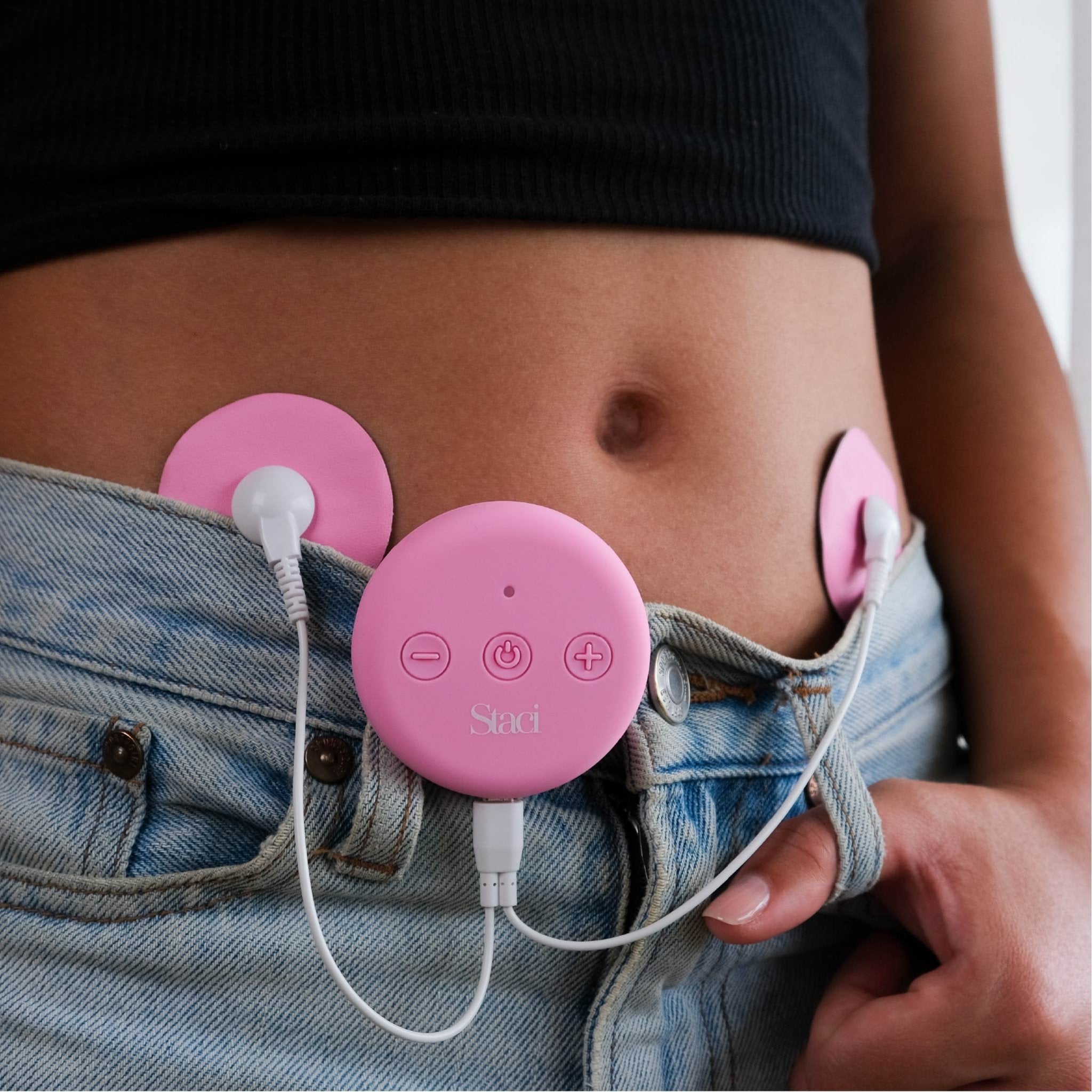
Effective Ways to Relieve Period Pain
For many individuals with menstrual cycles, dealing with period pain is a monthly struggle that can significantly impact daily life. While some may experience mild discomfort, others endure severe cramps that interfere with work, school, and social activities. If you’re looking for ways to find relief from period pain, consider trying these effective methods:
Over-the-Counter Pain Medication
Non-prescription pain relievers such as ibuprofen or paracetamol can help alleviate menstrual cramps. It’s essential to follow the recommended dosage and consult a healthcare professional if you have any concerns or underlying health conditions.
Heat Therapy
Applying heat to the lower abdomen can provide relief from muscle contractions and reduce pain during menstruation. You can use a heating pad, hot water bottle, or take a warm bath to relax tense muscles and ease discomfort.
Gentle Exercise
Engaging in light physical activity like walking, yoga, or stretching exercises can help improve blood circulation and release endorphins – the body’s natural painkillers. However, listen to your body and avoid strenuous workouts if you’re feeling particularly uncomfortable.
Dietary Adjustments
Eating a balanced diet rich in fruits, vegetables, whole grains, and lean proteins can contribute to overall well-being and may help reduce period-related inflammation and bloating. Some individuals find that limiting caffeine, alcohol, and salty foods also helps manage period pain.
Herbal Remedies
Certain herbs like ginger, chamomile tea, and turmeric have anti-inflammatory properties that may provide relief from menstrual cramps when consumed as teas or supplements. Always consult with a healthcare provider before incorporating herbal remedies into your routine.
Stress Management Techniques
Practicing relaxation techniques such as deep breathing exercises, meditation, or mindfulness can help reduce stress levels that might exacerbate period pain. Finding ways to unwind and prioritize self-care during menstruation is crucial for managing discomfort.
Remember that every individual is different, so it may take some trial and error to discover which methods work best for you in relieving period pain. If your symptoms are severe or persist despite trying various remedies, don’t hesitate to seek advice from a healthcare professional for further evaluation and treatment options.
Effective Strategies for Relieving Period Pain: Answers to Common Questions
- What are the best over-the-counter pain medications for relieving period pain?
- How can heat therapy help alleviate menstrual cramps?
- Is exercise recommended for reducing period pain, and if so, what types are most effective?
- Are there specific dietary adjustments that can help manage period-related discomfort?
- What herbal remedies are commonly used to relieve menstrual cramps?
- What stress management techniques are beneficial for easing period pain?
What are the best over-the-counter pain medications for relieving period pain?
When it comes to finding relief from period pain, many individuals turn to over-the-counter pain medications for help. Two commonly recommended options are ibuprofen and paracetamol. Ibuprofen, a nonsteroidal anti-inflammatory drug (NSAID), is known for its ability to reduce inflammation and alleviate menstrual cramps effectively. Paracetamol, on the other hand, is a pain reliever that can help manage mild to moderate period pain without anti-inflammatory properties. It’s essential to follow the recommended dosage instructions and consult with a healthcare provider if you have any concerns or underlying health conditions before using these medications for period pain relief.
How can heat therapy help alleviate menstrual cramps?
Heat therapy is a commonly recommended method for alleviating menstrual cramps due to its ability to relax the muscles in the lower abdomen. By applying heat to the area, whether through a heating pad, hot water bottle, or warm bath, blood circulation improves, helping to reduce the intensity of cramps and discomfort. The warmth also helps to soothe the nerves and release tension, providing a comforting sensation that can ease the pain associated with menstruation. Incorporating heat therapy into your period pain relief routine may offer a natural and effective way to find relief during those challenging days of the month.
Is exercise recommended for reducing period pain, and if so, what types are most effective?
When it comes to reducing period pain, exercise can be a beneficial and natural way to alleviate symptoms for some individuals. Engaging in gentle physical activity during menstruation, such as walking, yoga, or stretching exercises, can help improve blood flow, release endorphins, and relax tense muscles. These types of low-impact exercises are often recommended for managing period pain as they promote overall well-being without putting excessive strain on the body. It’s essential to listen to your body’s cues and choose activities that feel comfortable and supportive during your menstrual cycle. If you experience severe pain or discomfort while exercising, it’s advisable to consult with a healthcare professional for personalized advice on managing period-related symptoms effectively.
Are there specific dietary adjustments that can help manage period-related discomfort?
When it comes to managing period-related discomfort, specific dietary adjustments can play a significant role in alleviating symptoms. Incorporating foods rich in antioxidants, such as fruits and vegetables, can help reduce inflammation and bloating commonly associated with menstruation. Additionally, consuming whole grains and lean proteins can provide sustained energy levels and support overall well-being during this time. Limiting intake of caffeine, alcohol, and salty foods may also help mitigate period pain by reducing water retention and promoting better hormonal balance. By paying attention to what you eat and making mindful dietary choices, you can potentially ease the discomfort of menstrual cramps and promote a healthier cycle.
What herbal remedies are commonly used to relieve menstrual cramps?
When seeking natural relief from menstrual cramps, several herbal remedies are commonly recommended for their potential benefits. Ginger is known for its anti-inflammatory properties and may help reduce muscle pain and discomfort during menstruation. Chamomile tea is often used for its calming effects, which can help alleviate stress and tension that contribute to period pain. Additionally, turmeric, with its anti-inflammatory and antioxidant properties, is believed to have pain-relieving effects that could ease menstrual cramps. It’s important to consult with a healthcare professional before incorporating any herbal remedies into your routine to ensure they are safe and suitable for your individual needs.
What stress management techniques are beneficial for easing period pain?
When it comes to easing period pain through stress management techniques, several strategies can be beneficial. Practices such as deep breathing exercises, meditation, and mindfulness have been found to help reduce stress levels, which in turn can alleviate menstrual cramps. Engaging in gentle physical activities like yoga or stretching can also aid in relaxation and muscle tension relief. Additionally, prioritizing self-care, getting adequate rest, and maintaining a healthy lifestyle through proper nutrition and hydration play crucial roles in managing period pain effectively. Experimenting with different stress management methods and finding what works best for individual needs can contribute to a more comfortable menstrual experience.
Effective Ways to Relieve Period Pain For many individuals with menstrual cycles, dealing with period pain is a monthly struggle that can significantly impact daily life. While some may experience mild discomfort, others endure severe cramps that interfere with work, school, and social activities. If you’re looking for ways to find relief from period pain,…