
Unveiling the Beauty of Sculpture: A Three-Dimensional Journey

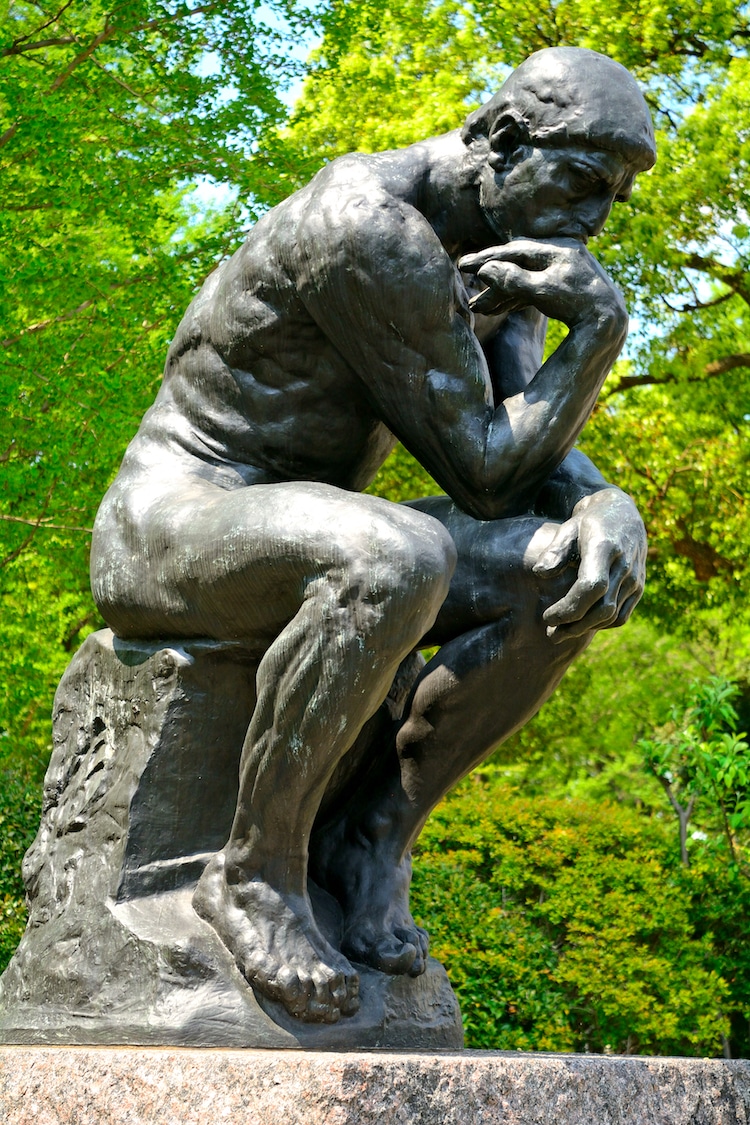
The Art of Sculpture: Capturing Beauty in Three Dimensions
Throughout history, sculpture has been a powerful form of artistic expression, capturing the essence of beauty and emotion in three-dimensional form. From ancient civilizations to modern-day masterpieces, sculptors have shaped stone, metal, clay, and other materials into breathtaking works of art that stand the test of time.
One of the defining characteristics of sculpture is its ability to exist in physical space, inviting viewers to explore its contours and textures from different angles. Whether it’s a classical Greek statue depicting a mythological figure or a contemporary abstract piece pushing the boundaries of traditional art, sculptures have the unique ability to engage our senses and evoke deep emotional responses.
Each sculpture tells a story, reflecting the artist’s vision and skill in transforming raw materials into objects of beauty. The process of sculpting itself is a meticulous craft that requires precision, patience, and creativity. Sculptors use a variety of tools and techniques to carve, mold, or assemble their creations, each step bringing them closer to realizing their artistic vision.
From the intricate details of Michelangelo’s “David” to the fluid forms of Henry Moore’s abstract sculptures, each artist brings their own style and interpretation to the art form. Sculpture transcends cultural boundaries and speaks a universal language that resonates with people from all walks of life.
Public spaces around the world are adorned with sculptures that serve as landmarks, memorials, or symbols of cultural identity. These larger-than-life creations invite us to pause, reflect, and appreciate the beauty that surrounds us. Whether it’s a towering monument celebrating human achievement or a whimsical sculpture sparking joy in a city park, these artworks enrich our lives and connect us to our shared humanity.
As we continue to evolve as a society, sculpture remains an enduring art form that inspires us to look beyond the surface and explore deeper meanings. It challenges us to see the world from new perspectives and encourages us to appreciate the beauty that exists in every curve and contour.
So next time you encounter a sculpture on your travels or in your local community, take a moment to pause and admire the craftsmanship and creativity that went into creating it. Let yourself be transported by its beauty and immerse yourself in the rich history and tradition of this timeless art form.
Understanding Sculpture: Key FAQs and Insights into the Art Form
- What are the 3 main types of sculpture?
- What is a sculpture artist called?
- What’s the difference between sculpture and sculptor?
- What is the famous sculpture in Australia?
- Is Anish Kapoor a sculptor?
- What is sculpture vs sculptor?
- What is the definition of a sculpture?
What are the 3 main types of sculpture?
Sculpture, a diverse and dynamic art form, encompasses three main types: relief sculpture, freestanding sculpture, and kinetic sculpture. Relief sculpture involves carving or molding figures on a flat surface, creating a sense of depth and dimension. Freestanding sculpture stands independently in space, allowing viewers to walk around and experience it from various angles. Kinetic sculpture incorporates movement into the artwork, adding an interactive element that engages the audience in a unique way. Each type of sculpture offers its own distinct aesthetic and artistic possibilities, contributing to the rich tapestry of sculptural expression throughout history.
What is a sculpture artist called?
A sculpture artist is commonly referred to as a sculptor. Sculptors are skilled artisans who specialize in creating three-dimensional artworks using various materials such as stone, metal, wood, clay, and more. Their expertise lies in shaping and manipulating these materials to bring their artistic visions to life, capturing beauty and emotion in physical form. Sculptors play a vital role in the art world, with their creations enriching public spaces, galleries, and private collections around the globe.
What’s the difference between sculpture and sculptor?
The distinction between sculpture and sculptor lies in their roles within the realm of art. Sculpture refers to the physical artwork itself, typically a three-dimensional piece created through carving, molding, or assembling materials. On the other hand, a sculptor is the artist or creator behind the sculpture, the skilled individual who brings the artwork to life through their vision, talent, and craftsmanship. While sculpture is the tangible result of artistic expression, a sculptor is the creative force driving its conception and execution, shaping raw materials into captivating works of art that resonate with audiences worldwide.
What is the famous sculpture in Australia?
One of the most famous sculptures in Australia is “The Three Sisters,” located in the Blue Mountains of New South Wales. This iconic rock formation, steeped in Aboriginal legend, stands as a natural wonder that captivates visitors with its striking beauty and cultural significance. The Three Sisters serve as a symbol of the rich indigenous heritage and breathtaking landscapes that define Australia’s unique identity, making it a must-see attraction for both locals and tourists alike.
Is Anish Kapoor a sculptor?
Anish Kapoor is undeniably a prominent sculptor whose innovative and thought-provoking works have garnered international acclaim. Known for his monumental installations and use of unconventional materials, Kapoor pushes the boundaries of traditional sculpture, captivating audiences with his bold vision and distinctive style. With a career spanning decades, Anish Kapoor has solidified his place in the art world as a master sculptor whose creations challenge perceptions and evoke profound emotional responses.
What is sculpture vs sculptor?
Sculpture and sculptor are two interconnected yet distinct terms within the realm of art. Sculpture refers to the three-dimensional artwork created by a sculptor, embodying a physical form that can be observed and interacted with in space. On the other hand, a sculptor is the artist or creator behind the sculpture, utilizing various materials and techniques to bring their artistic vision to life. While sculpture is the tangible result of a sculptor’s skill and imagination, the sculptor themselves is the driving force behind the creation, infusing their ideas and emotions into the artwork they craft. Together, sculpture and sculptor form a harmonious relationship that celebrates creativity and expression in a tangible form.
What is the definition of a sculpture?
A sculpture is a three-dimensional artwork created by shaping or combining materials such as stone, metal, clay, wood, or other substances to depict forms, figures, or abstract concepts. Unlike two-dimensional art forms like painting or drawing, sculpture occupies physical space and can be viewed from various angles. Sculptors use a range of techniques including carving, casting, modeling, and assembling to bring their artistic visions to life. The essence of sculpture lies in its ability to capture beauty, emotion, and meaning in tangible form, inviting viewers to engage with the artwork in a unique and immersive way.
The Art of Sculpture: Capturing Beauty in Three Dimensions Throughout history, sculpture has been a powerful form of artistic expression, capturing the essence of beauty and emotion in three-dimensional form. From ancient civilizations to modern-day masterpieces, sculptors have shaped stone, metal, clay, and other materials into breathtaking works of art that stand the test of…