
Navigating Social Anxiety: Understanding and Overcoming the Invisible Struggle

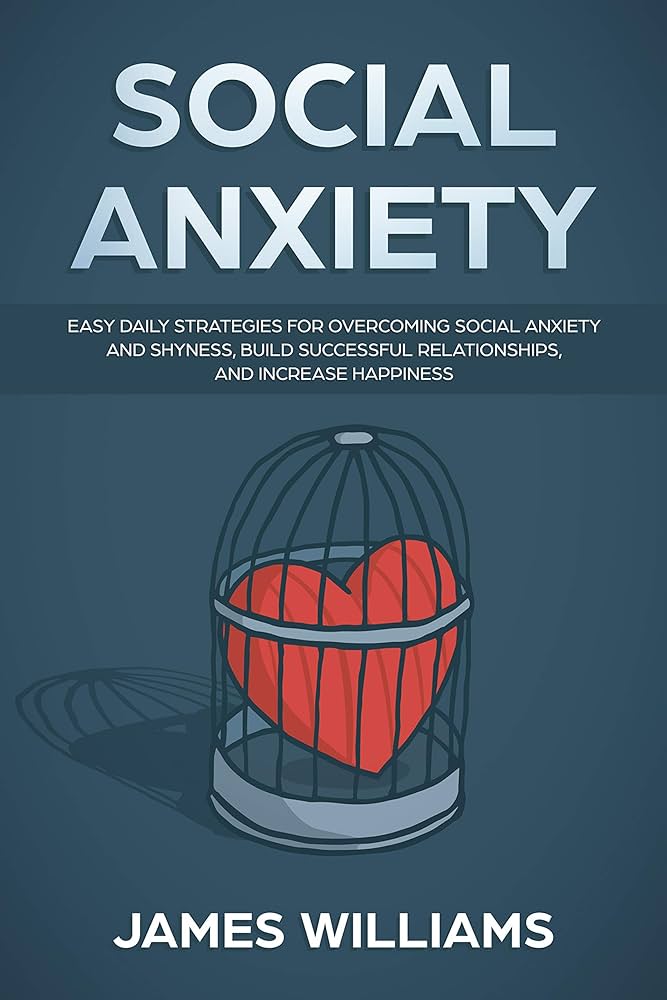
Social Anxiety: Understanding the Invisible Struggle
Social anxiety is a common mental health condition that affects millions of individuals worldwide. It goes beyond mere shyness or occasional nervousness in social situations; instead, it can be a debilitating disorder that significantly impacts a person’s daily life and well-being.
People with social anxiety often experience intense fear and anxiety in social settings, leading to avoidance of social interactions and activities. Simple tasks like making phone calls, attending parties, or speaking in public can trigger overwhelming feelings of self-consciousness, worry about judgment, and physical symptoms such as sweating, trembling, or rapid heartbeat.
One of the challenging aspects of social anxiety is that it is often misunderstood or dismissed by others who may perceive the individual as just being ‘quiet’ or ‘introverted.’ However, the internal turmoil experienced by those with social anxiety can be profound and isolating.
Fortunately, there are effective treatments available for social anxiety. Cognitive-behavioral therapy (CBT) is a common approach that helps individuals challenge negative thought patterns and develop coping strategies to manage their anxiety. Medication may also be prescribed in some cases to alleviate symptoms.
It’s essential for society to foster understanding and empathy towards those dealing with social anxiety. Creating inclusive environments where individuals feel accepted and supported can make a significant difference in their ability to navigate social situations with greater ease.
If you or someone you know is struggling with social anxiety, know that help is available. Seeking support from mental health professionals, joining support groups, and practicing self-care techniques can all contribute to managing social anxiety effectively and improving overall well-being.
Remember, social anxiety is not a sign of weakness but a legitimate mental health condition that deserves compassion and understanding. By raising awareness and breaking the stigma surrounding this invisible struggle, we can create a more supportive and empathetic society for all.
Understanding Social Anxiety: Answers to 9 Common Questions
- What is social anxiety?
- What are the symptoms of social anxiety?
- How is social anxiety different from shyness?
- What causes social anxiety?
- How can I help someone with social anxiety?
- Is social anxiety treatable?
- Can medication help with social anxiety?
- Are there self-help strategies for managing social anxiety?
- Where can I find support for social anxiety in Australia?
What is social anxiety?
Social anxiety, also known as social phobia, is a mental health condition characterized by an intense and persistent fear of social situations. Individuals with social anxiety often experience overwhelming worry about being judged, embarrassed, or humiliated in front of others. This fear can lead to avoidance of social interactions and activities, impacting various aspects of their daily life. Physical symptoms such as sweating, trembling, rapid heartbeat, and difficulty speaking may accompany the emotional distress associated with social anxiety. Seeking professional help and support is crucial for managing social anxiety effectively and improving one’s quality of life.
What are the symptoms of social anxiety?
Social anxiety manifests in various symptoms that can significantly impact an individual’s daily life. Common signs of social anxiety include intense fear or dread of social situations, excessive self-consciousness, avoidance of social interactions, physical symptoms like sweating, trembling, or rapid heartbeat, difficulty speaking or performing tasks in front of others, and persistent worry about being judged or embarrassed. These symptoms can vary in severity from person to person but collectively contribute to the distress and impairment experienced by those grappling with social anxiety. It is crucial to recognize these symptoms early on and seek proper support and treatment to manage social anxiety effectively.
How is social anxiety different from shyness?
Social anxiety differs from shyness in its intensity and impact on a person’s life. While shyness may involve feelings of discomfort or hesitation in social situations, social anxiety goes further by causing significant distress and impairment in daily functioning. Individuals with social anxiety often experience overwhelming fear of negative evaluation, leading to avoidance of social interactions. Unlike shyness, social anxiety can manifest in physical symptoms such as sweating, trembling, and rapid heartbeat, making it a more severe and persistent condition that may require professional intervention for effective management.
What causes social anxiety?
Social anxiety can stem from a variety of factors, including genetic predisposition, brain chemistry, and life experiences. Individuals with a family history of anxiety disorders may be more susceptible to developing social anxiety. Imbalances in neurotransmitters such as serotonin and dopamine can also play a role in triggering symptoms of social anxiety. Additionally, past traumatic experiences, bullying, or negative social interactions can contribute to the development of social anxiety by shaping one’s perception of themselves and others. Understanding the complex interplay of these factors is crucial in addressing the root causes of social anxiety and providing effective support and treatment for those affected.
How can I help someone with social anxiety?
Supporting someone with social anxiety can make a significant difference in their journey towards managing their condition. One of the most crucial ways to help is by offering understanding and patience. Encouraging open communication and creating a safe, non-judgmental space for them to express their feelings can be immensely beneficial. Additionally, gently encouraging them to seek professional help or join support groups can provide valuable resources and guidance. Being a reliable source of support, showing empathy, and respecting their boundaries are key in assisting someone with social anxiety on their path to healing and growth.
Is social anxiety treatable?
Social anxiety is indeed treatable. With the right support and interventions, individuals experiencing social anxiety can learn to manage their symptoms effectively and improve their quality of life. Treatment options such as cognitive-behavioral therapy (CBT), medication, and lifestyle changes have been shown to be beneficial in addressing social anxiety. Seeking help from mental health professionals and building a strong support network are crucial steps towards overcoming social anxiety. It’s important to remember that everyone’s journey towards healing is unique, and with patience and persistence, positive outcomes can be achieved in managing social anxiety.
Can medication help with social anxiety?
Medication can be a helpful tool in managing social anxiety for some individuals. In cases where therapy alone may not provide sufficient relief, certain medications, such as selective serotonin reuptake inhibitors (SSRIs) or benzodiazepines, may be prescribed by healthcare professionals to alleviate symptoms of social anxiety. It’s essential to consult with a qualified healthcare provider to discuss the potential benefits and risks of medication for treating social anxiety, as individual responses to medication can vary. Additionally, medication should be used in conjunction with therapy and other coping strategies for a comprehensive approach to managing social anxiety effectively.
Are there self-help strategies for managing social anxiety?
For individuals dealing with social anxiety, there are indeed self-help strategies that can be beneficial in managing the condition. Techniques such as deep breathing exercises, mindfulness meditation, and progressive muscle relaxation can help alleviate anxiety symptoms in social situations. Setting realistic goals, challenging negative thoughts through cognitive restructuring, and gradually exposing oneself to feared social scenarios (known as exposure therapy) are also effective self-help approaches. Additionally, maintaining a healthy lifestyle that includes regular exercise, adequate sleep, and balanced nutrition can contribute to overall well-being and resilience against social anxiety. While self-help strategies can be empowering, it’s essential to seek professional guidance if symptoms persist or significantly impact daily functioning.
Where can I find support for social anxiety in Australia?
If you are seeking support for social anxiety in Australia, there are various resources available to help you navigate this challenging condition. One option is to reach out to mental health professionals such as psychologists or counselors who specialize in treating anxiety disorders. Additionally, organizations like Beyond Blue and Headspace offer information, resources, and support services for individuals dealing with social anxiety. Support groups and online forums can also provide a sense of community and understanding as you work towards managing your social anxiety. Remember, reaching out for help is a courageous step towards improving your mental well-being, and there are dedicated professionals and organizations ready to assist you on your journey to overcoming social anxiety.
Social Anxiety: Understanding the Invisible Struggle Social anxiety is a common mental health condition that affects millions of individuals worldwide. It goes beyond mere shyness or occasional nervousness in social situations; instead, it can be a debilitating disorder that significantly impacts a person’s daily life and well-being. People with social anxiety often experience intense fear…