
Exploring the Marvels of Zoology: A Journey into the Animal Kingdom

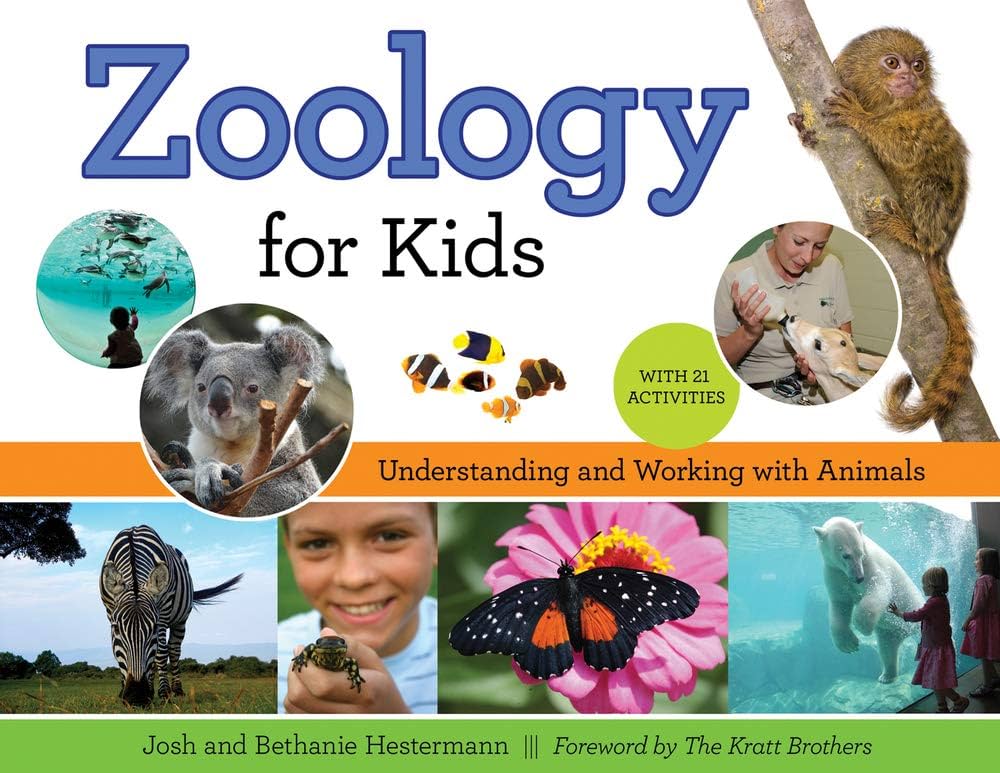
The Fascinating World of Zoology
Zoology, the branch of biology that focuses on the study of animals, is a captivating field that delves into the diversity and complexity of the animal kingdom. From microscopic organisms to majestic mammals, zoologists explore the wonders of nature and unravel the secrets of animal behavior, anatomy, and evolution.
One of the fundamental aspects of zoology is taxonomy, the science of classifying and naming organisms based on their characteristics. Through meticulous observation and analysis, zoologists categorize animals into different groups, revealing their evolutionary relationships and unique traits.
Another key area of study in zoology is animal physiology, which investigates how animals function at the cellular and molecular levels. Understanding physiological processes such as respiration, digestion, and reproduction provides valuable insights into how animals adapt to their environments and survive in diverse habitats.
Behavioral ecology is a fascinating branch of zoology that examines how animals interact with their surroundings and other species. By studying animal behavior patterns, communication methods, and social structures, zoologists gain a deeper understanding of how animals navigate complex ecosystems and ensure their survival.
Zoologists also play a crucial role in conservation efforts to protect endangered species and preserve biodiversity. By studying threatened populations, identifying conservation priorities, and implementing strategies to safeguard habitats, zoologists contribute to the preservation of our planet’s natural heritage.
Whether exploring the depths of the ocean to study marine life or observing wildlife in their natural habitats, zoologists are dedicated to uncovering the mysteries of the animal world. Their passion for discovery drives them to unravel nature’s complexities and inspire future generations to appreciate the beauty and importance of all living creatures.
In conclusion, zoology offers a window into a world teeming with diversity, wonder, and scientific discovery. As we continue to explore the realms of animal life through research and exploration, we gain a deeper appreciation for the intricate web of life that connects us all.
Exploring Zoology: Understanding the Field, Its Importance, and How to Pursue a Career
- What is zoology?
- What do zoologists study?
- How is zoology important in conservation?
- What are the different branches of zoology?
- How can someone become a zoologist?
What is zoology?
Zoology is the scientific study of animals, encompassing their behavior, physiology, classification, and evolution. It delves into the intricate workings of the animal kingdom, exploring the diverse forms and functions of living organisms. Zoologists seek to understand the relationships between different species, their adaptations to various environments, and their roles within ecosystems. Through observation, experimentation, and analysis, zoology sheds light on the fascinating complexities of animal life and contributes to our broader understanding of the natural world.
What do zoologists study?
Zoologists study a wide array of topics related to the animal kingdom, delving into areas such as animal behavior, physiology, taxonomy, ecology, and conservation. They observe and analyze animals in various habitats to understand their evolutionary history, anatomical structures, and interactions with their environment. By investigating how animals adapt to different ecosystems, communicate with each other, and navigate social structures, zoologists gain valuable insights into the diversity and complexity of the natural world. Through their research and fieldwork, zoologists play a vital role in advancing our knowledge of animals’ roles in ecosystems and contributing to conservation efforts to protect endangered species and preserve biodiversity.
How is zoology important in conservation?
Zoology plays a crucial role in conservation by providing valuable insights into the behavior, ecology, and physiology of animals. Through zoological research, scientists can identify endangered species, assess population trends, and understand the impact of human activities on wildlife habitats. By studying animal biology and ecology, zoologists can develop conservation strategies to protect vulnerable species and their ecosystems. Zoology also contributes to the management of protected areas, restoration of degraded habitats, and monitoring of wildlife populations. Ultimately, the knowledge gained from zoological studies is essential for effective conservation efforts aimed at preserving biodiversity and ensuring the long-term survival of threatened species.
What are the different branches of zoology?
The field of zoology encompasses various branches that focus on different aspects of animal biology and behavior. Some of the key branches of zoology include taxonomy, which involves classifying and naming organisms based on their characteristics; animal physiology, which explores how animals function at the cellular and molecular levels; behavioral ecology, which studies how animals interact with their environments and other species; and conservation biology, which aims to protect endangered species and preserve biodiversity. Each branch of zoology plays a vital role in expanding our understanding of the animal kingdom and its intricate ecosystems.
How can someone become a zoologist?
Embarking on a career as a zoologist typically involves pursuing a relevant tertiary education, such as a bachelor’s degree in zoology, biology, or a related field. Gaining hands-on experience through internships or volunteer work at zoos, wildlife rehabilitation centers, or research institutions can also be beneficial. Specializing in a particular area of zoology, such as marine biology or conservation biology, can further enhance one’s expertise and career prospects. Building a strong foundation in scientific research methods, critical thinking skills, and a passion for understanding and protecting animal species are key attributes for aspiring zoologists to cultivate on their journey towards becoming experts in the fascinating field of zoology.
The Fascinating World of Zoology The Fascinating World of Zoology Zoology, the branch of biology that focuses on the study of animals, is a captivating field that delves into the diversity and complexity of the animal kingdom. From microscopic organisms to majestic mammals, zoologists explore the wonders of nature and unravel the secrets of animal…