
The Strategic Mastery of Snooker: A Cue Sport’s Elegance Unveiled

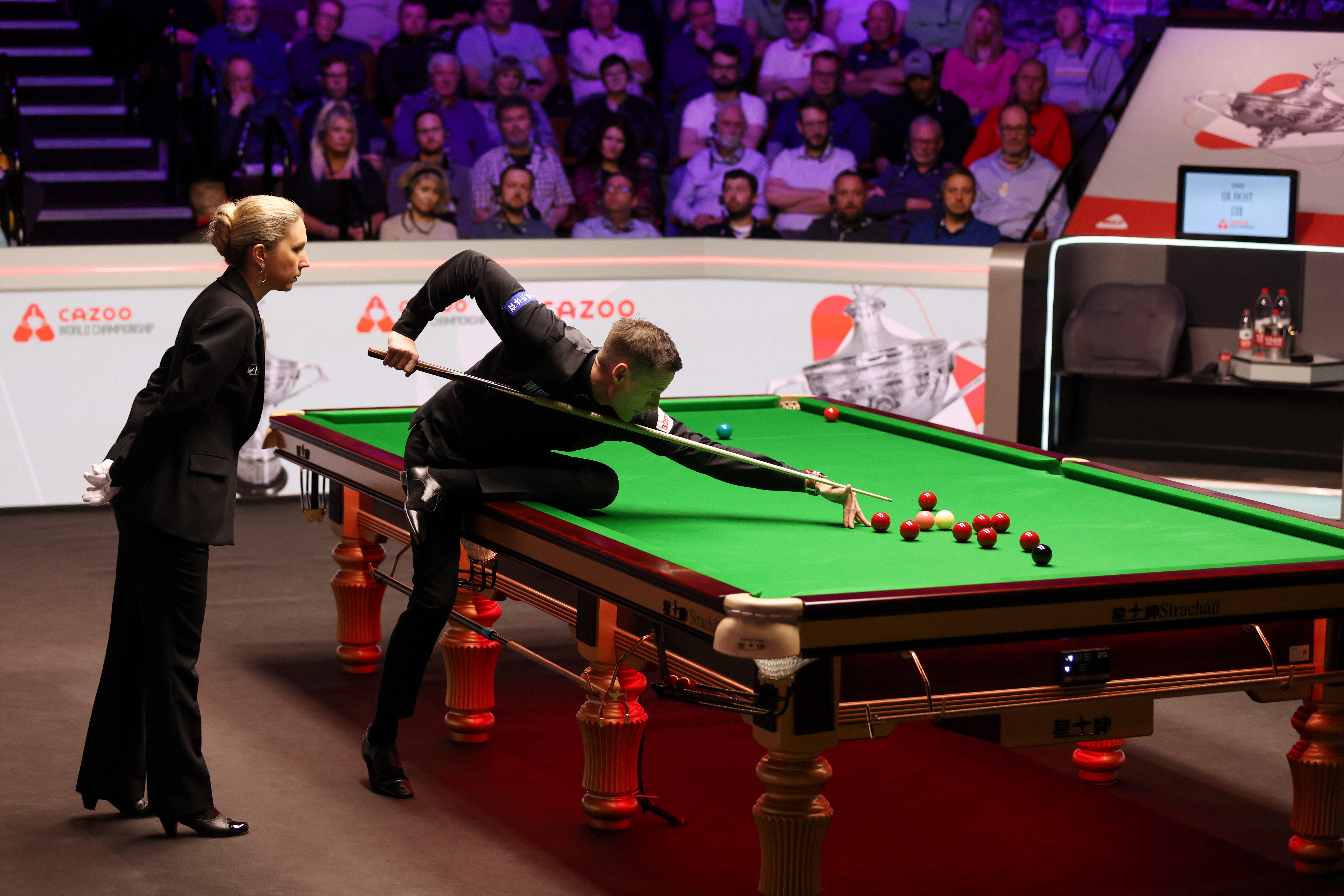
The Art and Strategy of Snooker: A Closer Look at the Elegant Cue Sport
Snooker, a game that demands precision, focus, and finesse, has captured the hearts of enthusiasts worldwide. Originating in the late 19th century, this cue sport has evolved into a sophisticated and strategic game that requires both skill and mental acuity.
At first glance, snooker may seem like a simple game of potting balls into pockets with a cue stick. However, seasoned players understand the intricate layers of strategy and technique involved in each shot. The playing surface, known as the snooker table, is meticulously designed with specific dimensions and markings that add complexity to the game.
One of the defining features of snooker is the use of coloured balls in addition to the standard red and white balls. Players must strategically pot red balls followed by coloured balls to accumulate points. The ability to position the cue ball for optimal shots while considering both offensive and defensive strategies is what sets skilled snooker players apart.
Timing and precision are crucial in snooker. A player must not only pocket balls but also anticipate their opponent’s moves while planning their next shot. Each decision carries weight, as a single mistake can shift the momentum of the game dramatically.
Beyond technical skill, snooker demands mental fortitude. Players must maintain focus and composure throughout a match that can last for hours. The pressure mounts as players approach high-stakes situations, testing their nerves and resilience under scrutiny.
Despite its challenges, snooker offers a unique blend of competition and camaraderie. Players often form lasting bonds through shared experiences on the green baize table. Tournaments such as the World Snooker Championship attract global attention and showcase the talent and dedication of top players in this captivating sport.
In conclusion, snooker is more than just a game—it’s an art form that combines skill, strategy, and mental acuity in a harmonious blend. Whether you’re a casual observer or a dedicated player, there’s no denying the allure of this elegant cue sport that continues to captivate audiences around the world.
Enhancing Focus, Precision, and Social Skills: The Benefits of Playing Snooker
- Snooker is a game that enhances focus and concentration.
- Playing snooker improves hand-eye coordination and precision.
- It provides a mental workout, requiring strategic thinking and planning.
- Snooker can be a relaxing and enjoyable way to unwind after a long day.
- The game offers opportunities for social interaction and friendly competition.
- Participating in snooker tournaments can lead to personal growth and skill development.
Challenges of Snooker: Time, Skill, Cost, Stress, Access, and Solitude
- 1. Time-Consuming
- 2. High Skill Barrier
- 3. Equipment Costs
- 4. Mental Strain
- 5. Limited Accessibility
- 6. Individual Sport
Snooker is a game that enhances focus and concentration.
Snooker, with its intricate gameplay and strategic demands, serves as a powerful tool for enhancing focus and concentration. Players must maintain unwavering attention to detail throughout each shot, carefully considering angles, ball placement, and potential outcomes. This constant mental engagement not only sharpens cognitive abilities but also cultivates a heightened sense of mindfulness and presence in the moment. The discipline required to excel in snooker translates beyond the game itself, fostering improved focus and concentration in various aspects of life.
Playing snooker improves hand-eye coordination and precision.
Engaging in the game of snooker offers a notable advantage in enhancing hand-eye coordination and precision. As players line up their shots, carefully adjusting their cue stick to strike the target ball with accuracy, they are honing their motor skills and visual acuity. The repetitive nature of aiming and potting balls in snooker serves as a practical exercise for improving coordination and fine-tuning precision, making it a beneficial activity for individuals looking to sharpen their physical dexterity and focus.
It provides a mental workout, requiring strategic thinking and planning.
One of the key advantages of snooker is its ability to provide a mental workout that challenges players to engage in strategic thinking and meticulous planning. Every shot in snooker requires careful consideration of not only how to pot the ball but also where to leave the cue ball for the next shot. This constant need for foresight and tactical decision-making sharpens cognitive skills and fosters a deep sense of concentration, making snooker a rewarding pursuit for those who enjoy engaging their minds while honing their cue skills.
Snooker can be a relaxing and enjoyable way to unwind after a long day.
Engaging in a game of snooker can serve as a soothing and pleasurable way to unwind and de-stress after a demanding day. The focused yet leisurely pace of the game allows players to immerse themselves in the strategic challenges of each shot, providing a calming escape from the hustle and bustle of daily life. The rhythmic movements and precise calculations required in snooker can help clear the mind and promote relaxation, making it an ideal pastime for those seeking a tranquil and enjoyable way to unwind.
The game offers opportunities for social interaction and friendly competition.
One of the standout advantages of snooker is its ability to foster social interaction and friendly competition among players. Whether it’s a casual game at a local club or a competitive tournament on the global stage, snooker brings people together in a shared passion for the sport. The camaraderie that develops through friendly matches and shared experiences on the snooker table creates lasting connections and memories, making it not just a game but a social activity that enriches relationships and builds community spirit.
Participating in snooker tournaments can lead to personal growth and skill development.
Participating in snooker tournaments offers a unique opportunity for personal growth and skill development. As players compete against opponents of varying abilities, they are constantly challenged to improve their technique, strategy, and mental resilience. The pressure of tournament play pushes players to hone their focus and decision-making under stress, fostering a sense of discipline and determination. Through the ups and downs of competition, individuals can discover new strengths, learn from their mistakes, and ultimately evolve into more skilled and confident players both on and off the green baize table.
1. Time-Consuming
One notable drawback of snooker is its time-consuming nature. Matches in this elegant cue sport can stretch out into lengthy affairs, demanding players to dedicate a substantial amount of time and unwavering concentration. The strategic gameplay and meticulous shot planning inherent to snooker contribute to the prolonged duration of matches, making it a sport that necessitates patience and endurance from both players and spectators alike.
2. High Skill Barrier
In the realm of snooker, a notable challenge that aspiring players face is the high skill barrier inherent in the sport. Mastery of the intricate techniques and strategic nuances of snooker demands not only time but also unwavering dedication. For beginners eager to make their mark on the green baize table, this steep learning curve can be daunting, requiring patience and persistence to navigate. The journey towards excellence in snooker is a test of resilience, as players must invest significant effort and practice to hone their skills and rise above the demanding standards set by this elegant cue sport.
3. Equipment Costs
In the world of snooker, one significant drawback is the high cost of equipment. Quality snooker cues, balls, and tables come with a hefty price tag, posing a financial obstacle for individuals aspiring to take their passion for the sport to a competitive level. The investment required to acquire top-notch gear can deter potential players from fully immersing themselves in the world of snooker, highlighting a challenge that limits accessibility and participation in this elegant cue sport.
4. Mental Strain
The mental strain in snooker is a significant challenge that players face during competitive matches. The pressure to execute precise shots consistently while under the spotlight can take a toll on one’s mental stamina. As the game progresses and the stakes rise, players may experience fatigue and heightened stress levels, impacting their decision-making and overall performance. Managing this mental strain is crucial for players to maintain focus and composure throughout extended gameplay sessions, highlighting the psychological aspect of this elegant cue sport.
5. Limited Accessibility
Limited Accessibility: Access to well-maintained snooker facilities may be limited in certain areas, hindering opportunities for practice and play. This lack of accessibility can pose a significant challenge for aspiring snooker enthusiasts, restricting their ability to hone their skills and fully immerse themselves in the sport. Without convenient access to quality facilities, individuals may find it difficult to engage with the game regularly, potentially limiting the growth and development of snooker within communities where such resources are scarce.
6. Individual Sport
In the realm of sports, snooker stands out as an individual pursuit, devoid of the team dynamics that define many other games. This solitary nature of snooker may not appeal to those who thrive on collaborative activities and the camaraderie that comes with team sports. The absence of shared victories and defeats on the green baize table could be a drawback for individuals seeking a more collective sporting experience.
The Art and Strategy of Snooker: A Closer Look at the Elegant Cue Sport Snooker, a game that demands precision, focus, and finesse, has captured the hearts of enthusiasts worldwide. Originating in the late 19th century, this cue sport has evolved into a sophisticated and strategic game that requires both skill and mental acuity. At…