
Sore Throat Medicine: What Helps and When to Seek Advice

Sore Throat Medicine: What Can Help?
A sore throat can make swallowing, talking and sleeping uncomfortable. It’s often caused by a viral infection, such as a cold or flu, and usually improves within about a week. The right treatment depends on the cause, your symptoms and your health needs.
Medicines that may ease a sore throat
Paracetamol or ibuprofen
Paracetamol or ibuprofen may help relieve throat pain, fever and general aches. Follow the directions on the packet or ask a pharmacist for advice. Check before taking ibuprofen if you have a history of stomach ulcers, kidney problems, asthma that worsens with anti-inflammatory medicines, or if you’re pregnant. If you take other medicines or have an ongoing health condition, ask a pharmacist or doctor which option is suitable.
Take care not to use more than one product containing paracetamol at the same time. Some cold and flu medicines contain it too. If you’re unsure what’s in a product, check the label or ask a pharmacist.
Throat lozenges and sprays
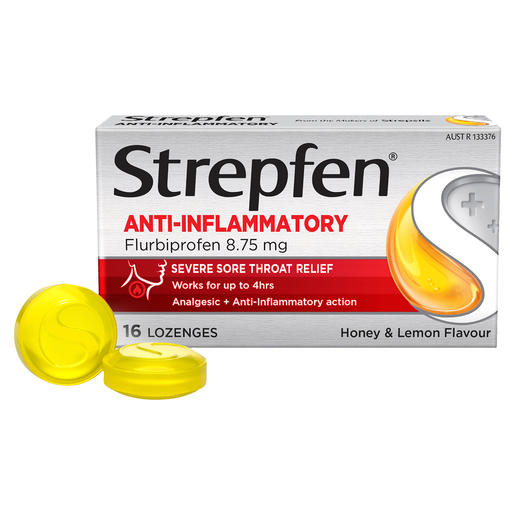
Some lozenges and throat sprays may provide temporary relief. They can contain soothing ingredients or a local anaesthetic. Check the age guidance on the label, as some products aren’t suitable for young children. Lozenges can also be a choking risk for children.
Antibiotics
Antibiotics don’t work against viruses, which cause many sore throats. A doctor may consider antibiotics if a bacterial infection is suspected or confirmed. Don’t use leftover antibiotics or someone else’s prescription.
Simple ways to soothe your throat
- Drink plenty of water and other fluids.
- Try warm drinks, or cool drinks and ice blocks, depending on what feels more soothing.
- Gargle warm salt water if you can gargle safely, then spit it out. This isn’t suitable for young children.
- Rest your voice and avoid smoking and smoky environments.
- Honey may soothe a cough or throat irritation, but never give honey to a child under 12 months.
When to seek medical advice
Contact a doctor or health professional if your symptoms are severe, getting worse, last longer than a week, or keep coming back. You should also seek advice if you have a high fever, a rash, swollen glands, or difficulty drinking enough fluids. A sore throat with fever and no cough can sometimes be caused by a bacterial infection, but symptoms alone can’t confirm the cause.
Get urgent medical help if you have trouble breathing, cannot swallow, are drooling because you can’t swallow, or develop severe swelling in your throat or neck. Call 000 in an emergency. For health advice in Australia, you can call Healthdirect on 1800 022 222.
Choosing sore throat medicine
There’s no single medicine that suits everyone. A pharmacist can help you choose an option based on your age, symptoms, other medicines and medical history. Always follow the product instructions, and seek professional advice if you’re pregnant, treating a child, or unsure what’s causing your sore throat.
7 Tips for Using Sore Throat Medicines Safely
- Follow the medicine label and use only the recommended dose.
- Ask a pharmacist which pain reliever is suitable for you.
- Check before using ibuprofen if you have ulcers, kidney problems or take blood thinners.
- Avoid taking multiple products containing paracetamol.
- Throat lozenges or sprays may ease discomfort; follow their label.
- Antibiotics do not help most sore throats—use them only if prescribed.
- Seek urgent care for trouble breathing or swallowing, or get medical advice if symptoms worsen or persist.
Follow the medicine label and use only the recommended dose.
Always follow the instructions on the medicine label and use only the recommended dose. Taking more than directed won’t necessarily relieve a sore throat faster and could cause harm. Check the active ingredients, especially in combination cold and flu products, to avoid accidentally taking the same medicine twice. If you’re unsure which dose is right for you or a child, ask a pharmacist or doctor.
Ask a pharmacist which pain reliever is suitable for you.
Ask a pharmacist which pain reliever is suitable for you. They can recommend an option based on your symptoms, health conditions, other medicines and whether you’re pregnant. Always follow the directions on the packet, and check that cold and flu products don’t contain the same pain-relief ingredient.
Check before using ibuprofen if you have ulcers, kidney problems or take blood thinners.
Before taking ibuprofen for a sore throat, check with a pharmacist or doctor if you have a history of stomach ulcers, kidney problems or take blood thinners. Ibuprofen may not be suitable in these situations or could increase the risk of side effects. Follow the packet instructions and ask a health professional if you’re unsure.
Avoid taking multiple products containing paracetamol.
Check the active ingredients on all medicines before taking them, as some cold and flu remedies also contain paracetamol. Taking several paracetamol-containing products at once can lead to an accidental overdose and serious liver damage. Follow the dosage instructions on the packet, and ask a pharmacist if you’re unsure whether two products can be taken together.
Throat lozenges or sprays may ease discomfort; follow their label.
Throat lozenges or sprays may provide temporary relief from sore throat discomfort. Follow the instructions on the label, including age limits and dose guidance, and ask a pharmacist if you’re unsure which product is suitable.
Antibiotics do not help most sore throats—use them only if prescribed.
Antibiotics don’t help most sore throats, as they’re commonly caused by viruses. Taking them when they’re not needed won’t speed up recovery and can contribute to antibiotic resistance. Use antibiotics only when they’ve been prescribed for you by a health professional, and follow the instructions provided.
Seek urgent care for trouble breathing or swallowing, or get medical advice if symptoms worsen or persist.
Seek urgent medical care if a sore throat makes it difficult to breathe or swallow. If your symptoms worsen, don’t improve, or persist for more than a week, contact a doctor or health professional for advice.
Sore Throat Medicine: What Can Help? A sore throat can make swallowing, talking and sleeping uncomfortable. It’s often caused by a viral infection, such as a cold or flu, and usually improves within about a week. The right treatment depends on the cause, your symptoms and your health needs. Medicines that may ease a sore…