
Shingles Treatment: Symptoms, Medicines and When to Seek Care

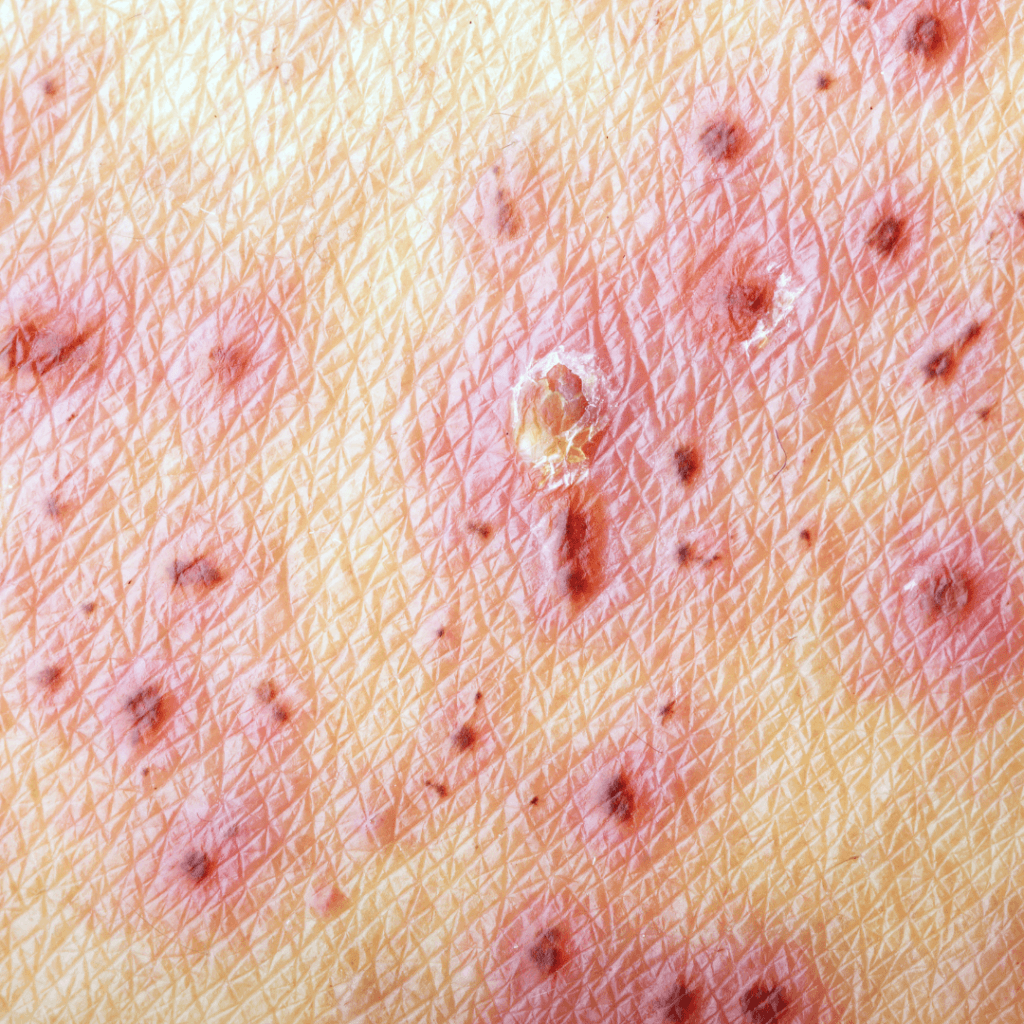
Shingles Treatment: What Helps and When to Seek Care
Shingles (herpes zoster) is a painful rash caused by the varicella-zoster virus—the same virus that causes chickenpox. It often appears as a strip or patch of blisters on one side of the body or face. Early treatment can reduce the risk of complications, so contact a GP promptly if you think you may have shingles.
Antiviral medicines
A GP may prescribe an antiviral medicine, such as aciclovir, valaciclovir or famciclovir. These medicines work best when started within 72 hours of the rash appearing. They may still be recommended after that if new blisters are forming, the rash is severe, or there is a higher risk of complications—for example, if the rash affects the eye or the person has a weakened immune system.
Antivirals can shorten the illness and may reduce its severity, but they do not remove the virus from the body. Take the medicine exactly as prescribed and ask your GP or pharmacist if you have questions, particularly if you have kidney problems or take other medicines.
Managing pain and discomfort
Shingles can cause burning, aching, itching or sharp nerve pain. The following measures may help:
- Ask a pharmacist or GP about suitable pain relief, such as paracetamol. Follow the label directions and check before taking anti-inflammatory medicines if you have other health conditions or take regular medicines.
- Apply a cool, damp cloth to the rash for short periods.
- Wear loose-fitting clothing and keep the affected area clean and dry.
- Ask a pharmacist about calamine lotion or another product to soothe itching.
If pain is severe or continues after the rash heals, speak with a GP. Shingles can sometimes lead to persistent nerve pain called post-herpetic neuralgia, which may need specific treatment.
Caring for the rash
Keep blisters clean and, if practical, cover them with a loose, non-stick dressing. Avoid scratching or picking at them, and wash your hands after touching the rash or dressing. Do not share towels or clothing that has contacted the rash. Antibiotics are only needed if a clinician suspects a bacterial skin infection.
A person with shingles can pass the virus to someone who has never had chickenpox or the chickenpox vaccine. That person would develop chickenpox, not shingles. The virus can spread through direct contact with fluid from the blisters. Keep the rash covered and avoid close contact with people at higher risk until all blisters have dried and crusted over. This includes pregnant people who are not immune to chickenpox, newborn babies and people with weakened immune systems.
When to get urgent medical help
Seek urgent medical advice if the rash is near your eye, on your nose or forehead, or if you develop eye pain, a red eye or changes to your vision. Shingles affecting the eye can threaten sight. Also seek prompt care if you have a weakened immune system, are pregnant, have a widespread rash, or feel very unwell.
Call 000 or go to an emergency department for severe symptoms such as confusion, weakness, difficulty walking, a severe headache or facial weakness.
Can shingles be prevented?
Shingles vaccination can reduce the risk of shingles and its complications. Eligibility and recommendations depend on age and health circumstances in Australia, so ask your GP or pharmacist whether vaccination is suitable for you. Vaccination is for prevention; it does not treat an active shingles episode.
Important: This article provides general information, not a diagnosis or personal medical advice. A GP can confirm whether a rash is shingles and recommend treatment. Contact a health professional as soon as possible if you suspect shingles, especially if the rash has just appeared.
Shingles Treatment FAQs: Recovery, Triggers and What to Avoid
- Is it OK to leave shingles untreated?
- What to avoid when you have shingles?
- What is the best way to recover from shingles?
- How do you get rid of shingles fast?
- What heals shingles quickly?
- What triggers shingles to flare up?
Is it OK to leave shingles untreated?
It’s best not to leave suspected shingles untreated. Antiviral medicines work best when started within 72 hours of the rash appearing and may reduce the severity and duration of the illness, as well as the risk of complications. Contact a GP promptly, particularly if the rash is near your eye or you have a weakened immune system, severe pain or a widespread rash. Seek urgent medical advice for eye symptoms or if you feel very unwell.
What to avoid when you have shingles?
When you have shingles, avoid scratching or picking at the blisters, as this can delay healing and increase the risk of infection. Don’t leave the rash uncovered if it could come into direct contact with someone who has never had chickenpox or the chickenpox vaccine—particularly pregnant people who aren’t immune, newborn babies and people with weakened immune systems. Avoid sharing towels or clothing that have touched the rash, and wash your hands after caring for it. If shingles affects your eye, seek urgent medical advice rather than trying to treat it yourself.
What is the best way to recover from shingles?
The best way to recover from shingles is to contact a GP promptly, as antiviral medicines work best when started within 72 hours of the rash appearing. Rest, drink plenty of fluids, keep the rash clean and dry, and use suitable pain relief or cool compresses for comfort—ask a pharmacist or GP what’s safe for you. Keep blisters covered and avoid close contact with people at higher risk until they’ve crusted over. Seek urgent medical advice if the rash is near your eye, your symptoms are severe, or you have a weakened immune system.
How do you get rid of shingles fast?
The fastest way to manage shingles is to contact a GP as soon as the rash appears—antiviral medicines work best when started within 72 hours and may shorten the illness and reduce its severity. Keep the rash clean and covered, use a cool compress, and ask a GP or pharmacist about suitable pain relief. There’s no instant cure, and treatment depends on your symptoms and health, so seek urgent medical advice if the rash is near your eye or you have a weakened immune system.
What heals shingles quickly?
There’s no instant cure for shingles, but starting prescription antiviral medicine—such as aciclovir, valaciclovir or famciclovir—within 72 hours of the rash appearing can help shorten the illness and reduce its severity. Contact a GP promptly, as treatment may still be recommended later in some cases. Keep the rash clean and covered, use suitable pain relief as advised by a pharmacist or GP, and seek urgent medical care if it affects your eye or face.
What triggers shingles to flare up?
Shingles can flare up when the varicella-zoster virus, which remains dormant in the body after chickenpox, becomes active again. The exact trigger is often unknown, but reactivation is more common as people get older or when their immune system is weakened by illness, stress, certain medicines or medical treatment such as chemotherapy. Shingles is not usually caused by catching the virus again, and a flare-up can happen without an obvious trigger.
Shingles Treatment: What Helps and When to Seek Care Shingles (herpes zoster) is a painful rash caused by the varicella-zoster virus—the same virus that causes chickenpox. It often appears as a strip or patch of blisters on one side of the body or face. Early treatment can reduce the risk of complications, so contact a…