
Meaning, Benefits and How to Write One

What Is a Summary?
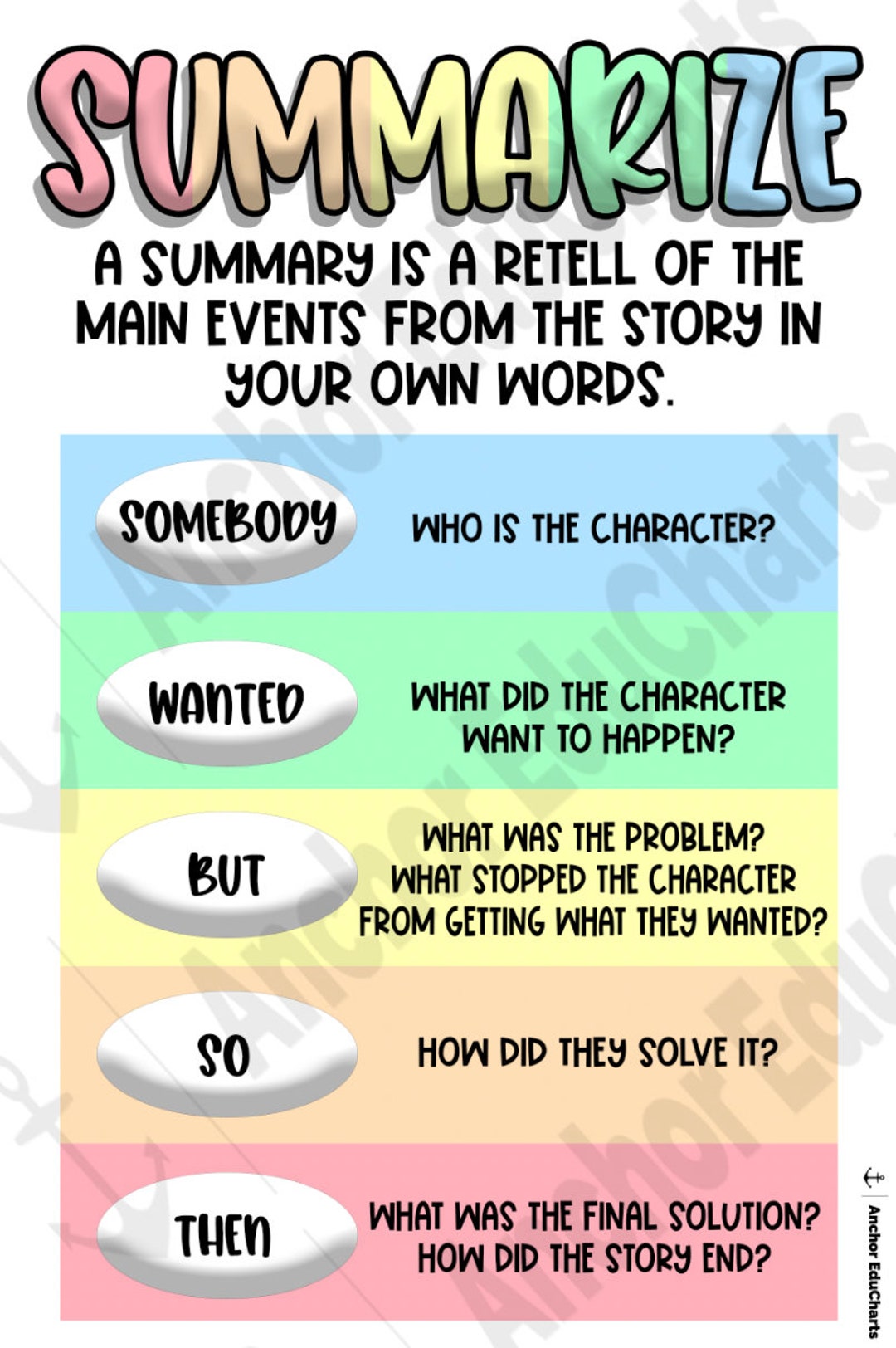
A summary is a brief account of a longer piece of information. It captures the main idea and most important details while leaving out minor points, repetition and examples that aren’t essential.
Why Summaries Are Useful
Summaries make information easier to understand and revisit. They can help readers quickly grasp an article, report, book or meeting, and help students and professionals organise key ideas. A clear summary also makes it easier to decide whether the full material is relevant or worth reading.
What Makes a Good Summary?
A good summary is accurate, concise and written in the summariser’s own words. It keeps the original meaning and gives appropriate attention to the central points. It shouldn’t introduce opinions or claims that aren’t supported by the source.
How to Write a Summary
- Read or review the source. Make sure you understand its overall purpose and message.
- Identify the main points. Look for the central argument, key events or essential findings.
- Leave out less important details. Remove repetition, minor examples and background information that isn’t needed.
- Write it in your own words. Keep the meaning faithful to the source without copying whole passages.
- Check the result. Confirm that it’s clear, accurate and shorter than the original.
Summary and Paraphrase: What’s the Difference?
A summary condenses a larger source into its main ideas. A paraphrase restates a particular passage in different words and is usually similar in length to the original. Both should preserve the source’s meaning, and formal writing may require a citation.
In Brief
A summary is a concise way to communicate the essential information from a longer source. By focusing on the main points and keeping the wording clear and accurate, it helps readers understand what matters most.
Summary FAQs: Meaning, Synonyms, Examples and 7 Steps to Writing One
- What are the 7 steps in writing a summary?
- What is another word for summary?
- What is a summary example?
- What is the definition of a summary?
- What is a summary?
What are the 7 steps in writing a summary?
The seven steps in writing a summary are: read the source carefully, identify its purpose and main idea, note the key points, leave out minor details and repetition, organise the points in a logical order, write them concisely in your own words, and check that your summary is accurate, clear and faithful to the original.
What is another word for summary?
Another word for “summary” depends on the context. “Overview” or “outline” can describe a brief account of the main points, while “synopsis” is often used for a summary of a book, film or article. “Abstract” usually refers to a concise summary of a research paper, and “recap” is a more informal term for a quick review of what happened.
What is a summary example?
A summary example is a short version of a longer text that presents only its main ideas. For instance, if an article explains how regular exercise can improve heart health, support mood and boost energy, a summary might be: “Regular exercise benefits both physical and mental wellbeing by supporting heart health, improving mood and increasing energy.” It keeps the key message while leaving out extra detail.
What is the definition of a summary?
A summary is a short account of a longer text, speech or event that presents its main ideas and most important details in a clear, concise way. It leaves out minor information and repetition while preserving the original meaning.
What is a summary?
A summary is a brief overview of a longer text, conversation or piece of information. It highlights the main ideas and essential details while leaving out less important points, so readers can understand the key message quickly.
What Is a Summary? A summary is a brief account of a longer piece of information. It captures the main idea and most important details while leaving out minor points, repetition and examples that aren’t essential. Why Summaries Are Useful Summaries make information easier to understand and revisit. They can help readers quickly grasp an…