
Takashi Murakami: The Artist Bridging Pop Culture and Contemporary Art

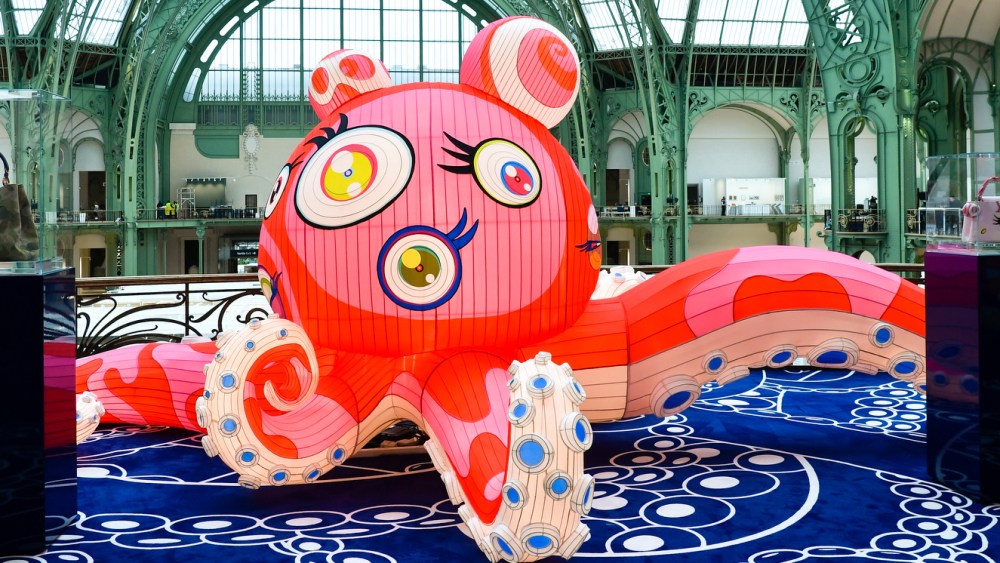
Takashi Murakami: Bridging Art, Pop Culture and Commerce
Takashi Murakami is one of Japan’s best-known contemporary artists. His brightly coloured flowers, playful characters and bold visual style have appeared in galleries, museums and collaborations with major fashion and music brands. Behind the cheerful imagery, however, Murakami’s work explores more complex ideas about Japanese identity, popular culture, consumerism and the boundaries between fine art and commercial design.
From traditional painting to contemporary art
Born in Tokyo in 1962, Murakami studied at Tokyo University of the Arts, where he trained in nihonga, a modern style of Japanese painting grounded in traditional materials and techniques. He later earned a doctorate in the subject. Although his early education was rooted in fine art, Murakami became increasingly interested in manga, anime and the visual culture surrounding them.
That combination of influences helped shape his distinctive approach. His art often uses crisp outlines, flattened perspectives and intense colours, drawing on both traditional Japanese imagery and contemporary popular culture.
The idea of “Superflat”
Murakami is closely associated with the term “Superflat”, which he developed to describe an aesthetic and cultural idea. The word refers partly to the flat, graphic look of much Japanese art, manga and animation. It also points to the blurred boundaries between high art and popular culture, as well as the influence of consumerism on modern life.
Murakami presented the concept to an international audience through exhibitions and writing in the early 2000s. Superflat became both a way to understand his own work and a broader framework for discussing contemporary Japanese culture.
Flowers, characters and recurring motifs
Some of Murakami’s most recognisable works feature smiling flowers with brightly coloured petals. Their upbeat appearance can feel welcoming and whimsical, but the repetition and polished finish also invite questions about mass production and the commercial circulation of images.
Another recurring figure is Mr DOB, a character Murakami created in the 1990s. With its oversized features and cartoon-like appearance, Mr DOB reflects the artist’s interest in the way characters can become symbols, products and cultural icons. Across his work, familiar imagery often sits alongside unsettling or more serious themes.
Art beyond the gallery
Murakami has helped challenge the idea that fine art and commercial work must remain separate. His collaborations include a widely discussed partnership with Louis Vuitton, as well as projects connected with music, fashion and popular entertainment. He has also worked with artists and cultural organisations around the world.
His studio and art-production company, Kaikai Kiki, supports his own practice and the work of other artists. The organisation also produces exhibitions and merchandise, reflecting Murakami’s interest in how art is made, distributed and experienced beyond traditional gallery spaces.
A lasting influence
Murakami’s work has attracted both admiration and debate. Supporters value the way he brings Japanese visual culture into international conversations and questions the hierarchy between fine art and popular imagery. Critics have sometimes focused on the close relationship between his art, branding and commerce.
That tension is central to his practice. Murakami’s colourful surfaces may appear simple at first glance, but they open onto questions about identity, history and the business of images. By moving between the museum, the marketplace and popular culture, he has created a body of work that is difficult to place in just one category.
7 Reasons Takashi Murakami Is a Contemporary Art Icon
- Blends traditional Japanese art with contemporary pop culture.
- Created the influential Superflat concept.
- Known for vibrant, instantly recognisable imagery.
- Made contemporary art accessible to wider audiences.
- Explores themes of identity and consumer culture.
- Collaborates across art, fashion and music.
- Has inspired artists around the world.
Takashi Murakami: Commercial Branding, Repetitive Motifs and Divisive Style
- His commercial collaborations can make the work feel overly branded.
- The repeated motifs may seem formulaic to some viewers.
- The bright, playful style may not appeal to everyone.
Blends traditional Japanese art with contemporary pop culture.
Takashi Murakami’s ability to blend traditional Japanese art with contemporary pop culture gives his work a distinctive appeal. Drawing on the colour, composition and visual traditions of Japanese art, he combines these influences with manga, anime and commercial imagery. The result feels both familiar and fresh, connecting Japan’s artistic heritage with the fast-moving world of modern popular culture.
Created the influential Superflat concept.
One of Takashi Murakami’s most influential contributions is the Superflat concept, which explores the connection between traditional Japanese art, manga, anime and contemporary consumer culture. The term describes the flat, graphic style found across these forms, while also questioning the boundaries between fine art and popular culture. Superflat has helped shape discussion of contemporary Japanese art and brought greater international attention to its visual influences.
Known for vibrant, instantly recognisable imagery.
A major strength of Takashi Murakami’s work is its vibrant, instantly recognisable imagery. His bold colours, crisp outlines and playful motifs—especially his smiling flowers—make his art easy to identify across paintings, sculptures and collaborations. This distinctive visual style helps his work connect with a wide audience, while its polished, graphic quality gives it a strong presence in both galleries and popular culture.
Made contemporary art accessible to wider audiences.
Takashi Murakami has helped make contemporary art more accessible by drawing on familiar imagery from manga, anime and popular culture. His bright colours, playful characters and instantly recognisable flowers can appeal to people who may feel less at home in a traditional gallery, while still inviting deeper thought about art and society. Through exhibitions and collaborations with fashion and music brands, Murakami has also brought his work into everyday spaces, connecting with audiences well beyond the art world.
Explores themes of identity and consumer culture.
Murakami’s work explores how identity is shaped by popular culture, history and the things people buy. By blending traditional Japanese influences with manga, anime and commercial imagery, he encourages viewers to think about how consumer culture turns images and characters into symbols of belonging, desire and status. His bright, polished style can make these ideas feel playful, while also prompting questions about the relationship between personal identity and the products that surround us.
Collaborates across art, fashion and music.
One of Takashi Murakami’s strengths is his ability to collaborate across art, fashion and music. His partnerships bring his bold, instantly recognisable imagery to new audiences, while allowing him to experiment with different creative worlds. By moving between gallery projects, fashion collections and music-related work, Murakami shows how contemporary art can connect with everyday culture without losing its distinctive identity.
Has inspired artists around the world.
Takashi Murakami has inspired artists around the world by showing how traditional art can connect with manga, anime and contemporary popular culture. His bold colours, playful characters and instantly recognisable style have encouraged creators to experiment with new visual languages and challenge the divide between fine art and commercial design. Through his exhibitions, collaborations and support for emerging artists, Murakami has helped bring Japanese contemporary art to a global audience.
His commercial collaborations can make the work feel overly branded.
Murakami’s high-profile commercial collaborations have helped bring his art to a wider audience, but they can also make some works feel overly branded. When his recognisable flowers and characters appear on luxury products and merchandise, the imagery may seem closely tied to marketing, making it harder for viewers to separate the artwork from the brand or product it promotes.
The repeated motifs may seem formulaic to some viewers.
Takashi Murakami’s repeated use of smiling flowers, cartoon characters and vivid colours is central to his recognisable style, but it can also be a drawback for some viewers. When similar motifs appear across paintings, sculptures and commercial collaborations, the work may feel formulaic or overly familiar, with repetition seeming to take the place of artistic development. For others, that consistency is intentional, inviting reflection on mass production and consumer culture; however, viewers who prefer greater variety may find the imagery predictable.
The bright, playful style may not appeal to everyone.
Murakami’s bright colours, smiling flowers and cartoon-inspired characters are instantly recognisable, but this playful style may not appeal to everyone. Some viewers may find the imagery overly cute, repetitive or commercial, while others may prefer art with a more subdued or realistic look. Because his work often uses bold colours and recurring motifs, it can also feel overwhelming to people who favour subtlety.
Takashi Murakami: Bridging Art, Pop Culture and Commerce Takashi Murakami is one of Japan’s best-known contemporary artists. His brightly coloured flowers, playful characters and bold visual style have appeared in galleries, museums and collaborations with major fashion and music brands. Behind the cheerful imagery, however, Murakami’s work explores more complex ideas about Japanese identity, popular…