
Anime Drawing: A Beginner’s Guide to Creating Expressive Characters

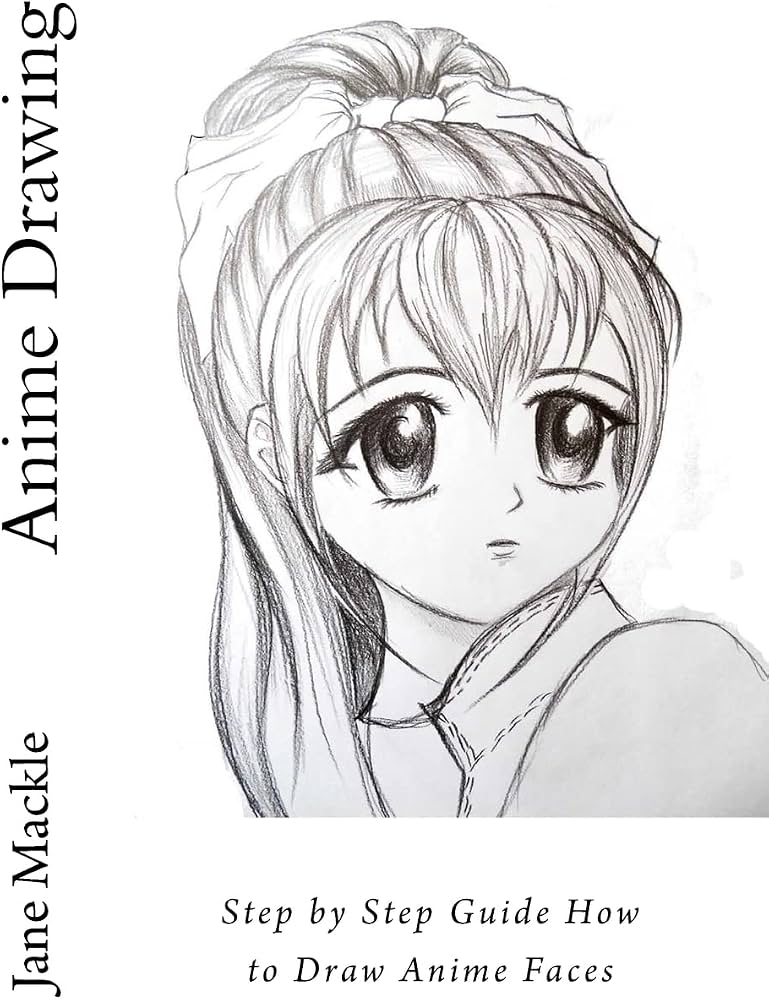
Anime Drawing: A Beginner’s Guide to Getting Started
Anime drawing is known for its expressive characters, bold shapes and memorable designs. From sparkling eyes to dramatic hairstyles, the style offers plenty of room for creativity. While anime art can look intricate, it becomes much easier to approach when you break a character down into simple shapes and practise one feature at a time.
Start with simple shapes
Before adding details, sketch the basic structure of your character. Use a circle or oval for the head, then add a centre line to help position the face. Lightly draw guidelines for the eyes, nose and mouth. For the body, begin with simple shapes such as ovals, cylinders and lines to map out the torso, limbs and pose.
These early marks don’t need to be perfect. They’re there to help you check the character’s proportions and posture before you commit to the details.
Build a distinctive face
Anime characters often have large, expressive eyes, but there’s no single way to draw them. Try changing their shape, size and angle to suggest different moods or personalities. A small shift in the eyebrows or mouth can make a character look surprised, relaxed or determined.
Keep the face’s guidelines visible as you sketch. They can help you place the features evenly, especially when drawing the head at an angle. Once you’re happy with the expression, refine the lines and add details such as eyelids, highlights and eyelashes.
Give the hair shape and movement
Instead of drawing individual strands straight away, think of the hair as a collection of larger sections. Sketch the overall silhouette first, then divide it into locks that follow the shape of the head. Vary the direction and length to make the hairstyle feel natural and full of movement.
Hair can also help communicate character. A neat, controlled style may create a different impression from loose, spiky or windswept hair. Use reference images to study how different styles sit around the head.
Pay attention to the pose
A clear pose can make a character feel lively, even before you add colour or clothing details. Begin with a simple gesture line showing the direction of the body. Then use basic shapes to map out the shoulders, hips and limbs. Check that the weight feels balanced and that the pose is easy to read.
Clothing should follow the body rather than sit flat against it. Add folds where fabric bends, stretches or gathers, such as at the elbows, knees and waist. A few well-placed folds can suggest movement without making the drawing look crowded.
Use references and practise regularly
References are a useful learning tool. Study photographs, clothing, poses and other visual material to understand how forms work. You can also analyse anime artwork to notice choices in line, shape and colour. Use references as a guide for learning rather than expecting yourself to copy every detail perfectly.
Short, regular practice sessions can be more helpful than waiting for inspiration. Try filling a page with eye shapes, facial expressions, hand poses or hairstyle ideas. Keep older drawings so you can see how your skills develop over time.
Keep your own style in the process
Learning the conventions of anime drawing doesn’t mean every character has to look the same. Experiment with proportions, colour palettes, clothing and expressions. You might prefer clean linework, soft shading or a more exaggerated design. As you practise, you’ll discover which choices feel right for your artwork.
A rewarding skill to develop
Anime drawing combines observation with imagination. Start with simple forms, work patiently through each stage and treat mistakes as part of the process. With practice, you’ll become more confident drawing characters that are expressive, recognisable and uniquely yours.
6 Essential Tips to Improve Your Anime Drawing
- Start with simple shapes to build the pose.
- Use guidelines to place facial features.
- Make the eyes expressive but balanced.
- Vary line weight for depth and emphasis.
- Study real poses to improve anatomy.
- Practise drawing hair in flowing sections.
Start with simple shapes to build the pose.
Start by sketching your character’s pose with simple shapes and lines before adding details. Use circles or ovals for the head, chest and hips, then connect them with lines to map out the spine and limbs. This rough framework helps you check the character’s balance, proportions and movement, making it easier to refine the pose before drawing clothing, facial features or hair.
Use guidelines to place facial features.
Use light guidelines to help place your character’s facial features. Start with a vertical line down the centre of the face to keep the features balanced, then add horizontal lines to mark the eyes, nose and mouth. These guides are especially useful when drawing a face at an angle, and can be erased once the sketch is finished.
Make the eyes expressive but balanced.
Make the eyes expressive but balanced. In anime drawing, eyes can reveal a character’s mood and personality, so experiment with their shape, size and highlights to show emotion. Keep both eyes aligned with the face’s guidelines, and check that their proportions suit the character’s features. Small differences can add expression, but balanced placement helps the face feel natural and cohesive.
Vary line weight for depth and emphasis.
Varying line weight can make an anime drawing feel more dimensional and expressive. Use thicker lines around the outer silhouette or in areas of shadow to make the character stand out, then switch to finer strokes for details such as hair strands, facial features and clothing folds. This contrast guides the viewer’s eye and adds depth without needing extra shading.
Study real poses to improve anatomy.
Study real poses to improve your characters’ anatomy and make their movements feel more natural. Use photos, life-drawing references or your own reflection to notice how the body balances, bends and shifts its weight. Start with a simple gesture line, then map out the torso and limbs before adding details. Regular practice will help you draw more convincing poses, even when you’re working in an expressive anime style.
Practise drawing hair in flowing sections.
Practise drawing hair in flowing sections by starting with its overall shape, then dividing it into larger locks that curve around the head. Follow the direction of the hairstyle rather than drawing lots of short, separate strands. This helps the hair look fuller and more natural, while giving it a sense of movement. Once the main sections are in place, add a few fine lines for texture and detail.
Anime Drawing: A Beginner’s Guide to Getting Started Anime drawing is known for its expressive characters, bold shapes and memorable designs. From sparkling eyes to dramatic hairstyles, the style offers plenty of room for creativity. While anime art can look intricate, it becomes much easier to approach when you break a character down into simple…