
Acid Reflux Medicine: Types, Uses and Safe Treatment Tips

Acid Reflux Medicine: What Are Your Options?
Acid reflux happens when stomach contents flow back into the oesophagus, the tube connecting your mouth to your stomach. It can cause heartburn, a sour taste, or discomfort after eating or when lying down. Medicines can help relieve symptoms, but the right option depends on how often they occur, what may be causing them and your overall health.
This article offers general information, not a diagnosis or a substitute for advice from a doctor or pharmacist.
Common types of acid reflux medicine
Antacids
Antacids neutralise some of the acid in your stomach and may provide quick, short-term relief. They are often used for occasional heartburn. Some products contain ingredients such as calcium carbonate or magnesium and aluminium salts.
Antacids can affect how other medicines are absorbed, so you may need to take them at a different time. Check the packet or ask a pharmacist, particularly if you take regular medicines or have kidney problems.
Alginates
Alginates form a floating barrier on top of the stomach contents, helping reduce reflux into the oesophagus. They are commonly taken after meals and before bed, depending on the product instructions. Some products combine an alginate with an antacid.
H2-receptor blockers
H2-receptor blockers reduce the amount of acid the stomach produces. They may be suitable for some people with recurring symptoms, although availability and the appropriate product can vary. A pharmacist or doctor can advise whether one is appropriate and how to use it.
Proton pump inhibitors (PPIs)
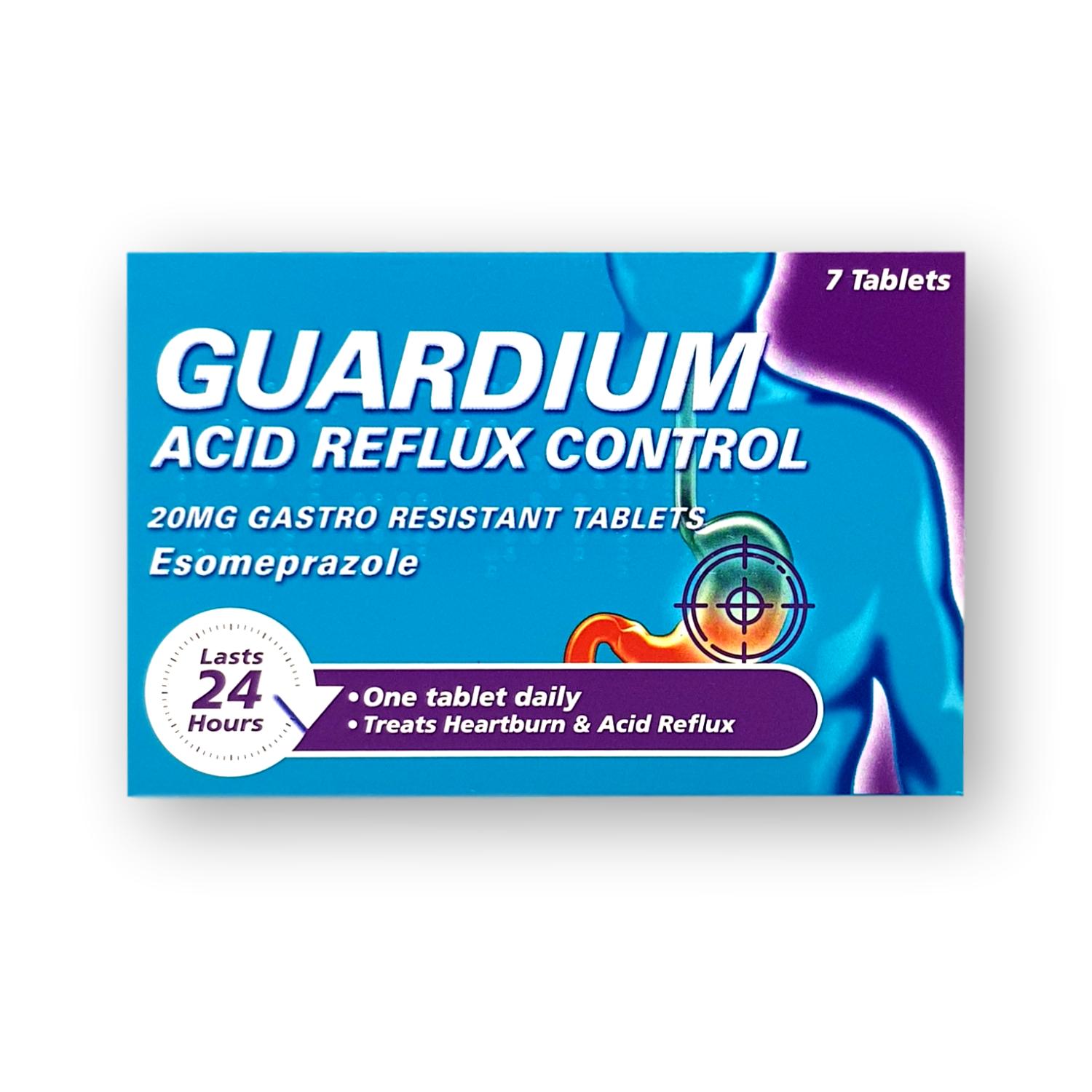
PPIs reduce stomach acid production and are often used for frequent or persistent reflux. They may take longer to provide full relief than an antacid, so they are not always suited to immediate symptom control. Follow the product directions and seek professional advice before using a PPI for an extended period or repeatedly starting courses.
Choosing and using a medicine safely
- Read the label and follow the dose and timing instructions.
- Tell a pharmacist about other medicines, supplements, allergies and health conditions.
- Ask for advice if you are pregnant or breastfeeding, or are choosing medicine for a child.
- Do not use several reflux products together unless a health professional says it is appropriate.
- If symptoms keep returning or you need medicine regularly, arrange a review with a doctor or pharmacist.
Some medicines can contribute to reflux or interact with reflux treatments. Do not stop a prescribed medicine without speaking to the clinician who prescribed it.
Other ways to reduce symptoms
Medicines may work best alongside practical changes. You could try eating smaller meals, avoiding foods or drinks that seem to trigger your symptoms, and staying upright for a few hours after eating. If reflux occurs at night, raising the head of the bed may help. Weight management and avoiding smoking may also make a difference for some people.
When to seek medical advice
See a doctor if reflux is frequent, worsening, disrupting sleep, or not improving with suitable treatment. Get urgent medical help for severe or unexplained chest pain, especially if it comes with shortness of breath, sweating, nausea, or pain spreading to the arm, jaw or back. Chest pain should not automatically be assumed to be reflux.
Seek prompt medical advice if you have difficulty or pain swallowing, persistent vomiting, vomit containing blood, black stools, unexplained weight loss, or symptoms that are new and concerning.
The takeaway
Antacids and alginates may help with occasional symptoms, while acid-reducing medicines may be considered for more frequent reflux. Because symptoms and suitable treatments vary, a pharmacist or doctor can help you choose an option safely—particularly if symptoms persist or you take other medicines.
9 Tips for Taking Acid Reflux Medicines Safely
- Follow the packet directions or your prescriber’s advice.
- Ask a pharmacist which medicine suits your symptoms.
- Take proton pump inhibitors as directed, often before food.
- Use antacids for quick, short-term relief as labelled.
- Check for interactions with your other medicines.
- Don’t use over-the-counter reflux medicines longer than directed.
- Speak with a doctor if symptoms keep returning or worsen.
- Ask your doctor before using reflux medicines during pregnancy.
- Seek urgent care for chest pain, trouble swallowing or vomiting blood.
Follow the packet directions or your prescriber’s advice.
Follow the packet directions or your prescriber’s advice when taking acid reflux medicine, as the dose and timing can vary between products. Don’t take more than recommended or use a medicine for longer than directed without checking with a pharmacist or doctor. If you’re unsure how to take it, or your symptoms persist, seek professional advice.
Ask a pharmacist which medicine suits your symptoms.
Ask a pharmacist which medicine best suits your symptoms. They can explain the differences between options such as antacids, alginates and acid-reducing medicines, and help you choose one that fits your health needs and any other medicines you take.
Take proton pump inhibitors as directed, often before food.
Take proton pump inhibitors (PPIs) exactly as directed on the packet or by your doctor or pharmacist. They’re often taken before food, commonly before breakfast, but the timing can vary by product. Follow the specific instructions you’ve been given, and ask a pharmacist if you’re unsure.
Use antacids for quick, short-term relief as labelled.
Antacids can provide quick, short-term relief by neutralising stomach acid, so they may help with occasional heartburn. Follow the directions on the label, including the dose and how often to take them, and ask a pharmacist if you take other medicines, as antacids can affect how some are absorbed.
Check for interactions with your other medicines.
Before taking acid reflux medicine, check whether it could interact with your other medicines, vitamins or supplements. Some treatments can affect how other medicines are absorbed or work, and the timing of doses may matter. Read the label and ask a pharmacist or doctor for advice, especially if you take regular prescription medicines or have an ongoing health condition.
Don’t use over-the-counter reflux medicines longer than directed.
Follow the label or your pharmacist’s advice when using over-the-counter reflux medicines, and don’t take them for longer than directed. Ongoing or recurring symptoms may need a different approach or assessment by a health professional, while prolonged use of some medicines can carry risks or mask another problem. If you’re still needing relief after the recommended period, speak with a pharmacist or doctor rather than extending the treatment yourself.
Speak with a doctor if symptoms keep returning or worsen.
If your acid reflux symptoms keep returning or are getting worse, speak with a doctor rather than relying on over-the-counter medicine long term. Ongoing symptoms may need a different treatment or further assessment, and a doctor can help check for possible causes and recommend the safest next step.
Ask your doctor before using reflux medicines during pregnancy.
If you’re pregnant and experiencing reflux, speak with your doctor or pharmacist before taking any medicine, including products available without a prescription. They can help you choose an option that’s suitable for your stage of pregnancy, check for possible interactions and suggest practical ways to ease symptoms.
Seek urgent care for chest pain, trouble swallowing or vomiting blood.
Seek urgent medical care if you have chest pain, trouble swallowing or vomit blood. These symptoms may signal a serious condition and shouldn’t be treated as ordinary acid reflux. For severe chest pain, call 000 in Australia.
Acid Reflux Medicine: What Are Your Options? Acid reflux happens when stomach contents flow back into the oesophagus, the tube connecting your mouth to your stomach. It can cause heartburn, a sour taste, or discomfort after eating or when lying down. Medicines can help relieve symptoms, but the right option depends on how often they…