
Understanding Bladder Infection: Symptoms, Causes, and Treatment

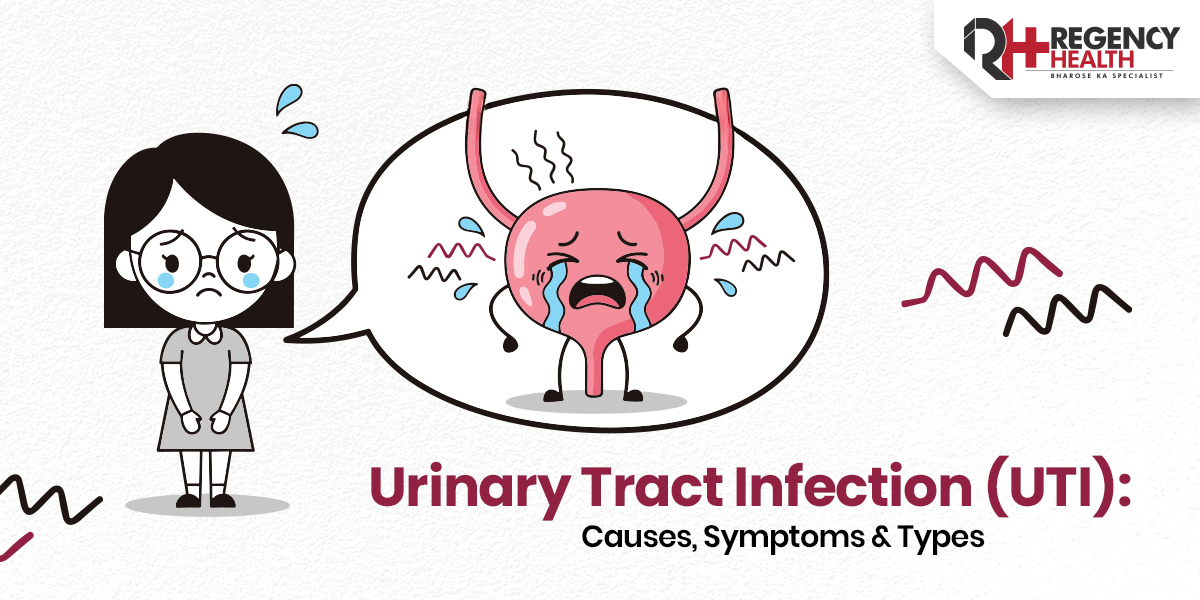
Understanding Bladder Infections
A bladder infection, also known as cystitis, is a common type of urinary tract infection (UTI) that occurs when bacteria enter the bladder through the urethra. This condition primarily affects women, but men and children can also develop bladder infections.
Symptoms of Bladder Infections
The symptoms of a bladder infection may include:
- Strong, persistent urge to urinate
- Burning sensation during urination
- Frequent urination in small amounts
- Cloudy or bloody urine
- Pelvic discomfort or pressure
- Fever or chills (in severe cases)
Causes of Bladder Infections
Bladder infections are often caused by bacteria entering the urinary tract. Factors that can increase the risk of developing a bladder infection include:
- Poor personal hygiene habits
- Sexual activity
- Use of certain types of contraceptives (such as diaphragms)
- Weakened immune system
- Obstruction in the urinary tract (like kidney stones)
Treatment and Prevention
If you suspect you have a bladder infection, it’s essential to see a healthcare provider for proper diagnosis and treatment. Treatment typically involves antibiotics to clear the bacterial infection. To prevent bladder infections, consider these tips:
- Stay hydrated by drinking plenty of water.
- Practice good hygiene habits, especially after using the bathroom.
- Avoid holding urine for prolonged periods.
>
i>
i>
i>
i>
i>
i>
i>
i>
i>rrrrrrrIn Conclusion
A bladder infection can be uncomfortable and disruptive, but with prompt medical attention and proper self-care measures, most cases can be effectively treated. By understanding the symptoms, causes, treatment options, and prevention strategies associated with bladder infections, individuals can take proactive steps towards maintaining their urinary health.
Frequently Asked Questions About Bladder Infections: Symptoms, Treatments, and Remedies
- What can I drink for a bladder infection?
- What are the symptoms of a bladder infection in females?
- Can I treat a urine infection myself?
- What is the easiest way to get rid of a bladder infection?
- What are the 5 warning signs of a bladder infection?
- What is the best drink for a bladder infection?
- What to do for a bladder infection?
- How can I tell the difference between a UTI and a bladder infection?
What can I drink for a bladder infection?
When dealing with a bladder infection, it’s important to stay hydrated by drinking plenty of water. Water helps flush out bacteria from the urinary tract and can alleviate symptoms of a bladder infection. In addition to water, some people find relief by consuming unsweetened cranberry juice or herbal teas like chamomile or green tea. These beverages may have mild antibacterial properties that could potentially help in managing a bladder infection. However, it’s crucial to consult a healthcare provider for proper diagnosis and treatment recommendations tailored to your specific condition.
What are the symptoms of a bladder infection in females?
Bladder infections, also known as cystitis, can manifest with various symptoms in females. Common signs of a bladder infection include a strong and persistent urge to urinate, accompanied by a burning sensation during urination. Women may experience frequent urination in small amounts and notice cloudy or bloody urine. Pelvic discomfort or pressure can also be indicative of a bladder infection. In more severe cases, individuals may develop fever or chills. Recognizing these symptoms and seeking timely medical attention is crucial for proper diagnosis and treatment of bladder infections in females.
Can I treat a urine infection myself?
It is not recommended to self-treat a urine infection, also known as a bladder infection or cystitis. While there are home remedies and over-the-counter medications available, it is crucial to seek medical advice for proper diagnosis and treatment. A healthcare provider can determine the underlying cause of the infection and prescribe appropriate antibiotics if necessary. Self-treatment may lead to ineffective management of the infection, potential complications, or masking of more serious underlying health issues. Therefore, it is best to consult a healthcare professional for personalized guidance on managing and treating a urine infection effectively.
What is the easiest way to get rid of a bladder infection?
When it comes to getting rid of a bladder infection, the easiest and most effective way is to seek medical advice from a healthcare provider. Typically, treatment for a bladder infection involves a course of antibiotics prescribed by a doctor after proper diagnosis. It’s crucial not to ignore the symptoms and to follow the prescribed treatment plan diligently to ensure the infection is fully cleared. In addition to medication, staying hydrated, practicing good hygiene habits, and avoiding irritants like caffeine and alcohol can also help support the healing process. Remember, timely intervention and following medical guidance are key in successfully treating a bladder infection.
What are the 5 warning signs of a bladder infection?
When it comes to identifying a bladder infection, there are five common warning signs to watch out for. These include a strong and persistent urge to urinate, a burning sensation during urination, frequent urination in small amounts, cloudy or bloody urine, and pelvic discomfort or pressure. Recognizing these symptoms early on can prompt individuals to seek medical attention promptly for diagnosis and treatment to alleviate the discomfort associated with a bladder infection.
What is the best drink for a bladder infection?
When it comes to managing a bladder infection, staying hydrated is crucial. The best drink for a bladder infection is water. Water helps flush out bacteria from the urinary tract and promotes overall urinary health. It is recommended to drink plenty of water throughout the day to help alleviate symptoms and support the body’s natural healing process. While other beverages like herbal teas or cranberry juice are often suggested for their potential benefits, water remains the top choice for maintaining proper hydration and aiding in the treatment of bladder infections.
What to do for a bladder infection?
When faced with a bladder infection, it is crucial to seek medical advice promptly for proper diagnosis and treatment. Healthcare providers typically prescribe antibiotics to help clear the bacterial infection causing the bladder infection. In addition to following the prescribed medication regimen, it is essential to drink plenty of water to help flush out bacteria from the urinary system. Ensuring good hygiene practices, such as wiping from front to back after using the bathroom, can also aid in preventing further complications. If symptoms persist or worsen, consulting a healthcare professional for further guidance and evaluation is recommended.
How can I tell the difference between a UTI and a bladder infection?
Distinguishing between a urinary tract infection (UTI) and a bladder infection can be a common query for many individuals. While both conditions involve the urinary system, a UTI typically refers to an infection anywhere in the urinary tract, including the bladder, urethra, ureters, and kidneys. On the other hand, a bladder infection specifically targets the bladder. Symptoms such as frequent urination, burning sensation during urination, and cloudy or bloody urine are often associated with both UTIs and bladder infections. However, healthcare providers can conduct tests to pinpoint the exact location of the infection and recommend appropriate treatment based on the diagnosis.
Understanding Bladder Infections Understanding Bladder Infections A bladder infection, also known as cystitis, is a common type of urinary tract infection (UTI) that occurs when bacteria enter the bladder through the urethra. This condition primarily affects women, but men and children can also develop bladder infections. Symptoms of Bladder Infections The symptoms of a bladder…