
Navigating Coronary Artery Disease: Understanding, Prevention, and Treatment

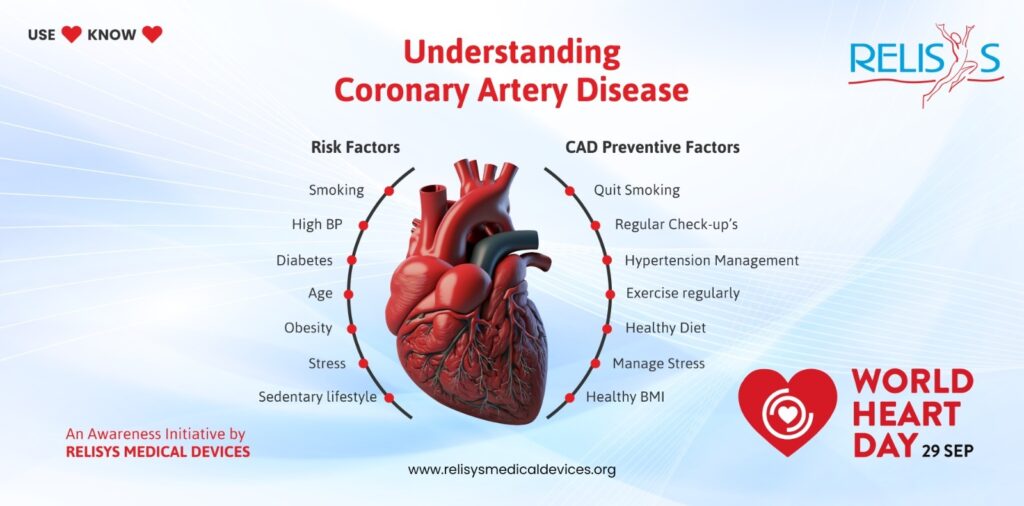
Understanding Coronary Artery Disease
Coronary artery disease (CAD) is a common heart condition that occurs when the blood vessels supplying the heart muscle become narrowed or blocked. This restricts blood flow to the heart, leading to a range of symptoms and potentially serious complications.
Causes and Risk Factors
The primary cause of CAD is the buildup of plaque in the coronary arteries, a process known as atherosclerosis. Plaque is made up of cholesterol, fat, calcium, and other substances that accumulate over time, narrowing the arteries and reducing blood flow.
Several risk factors contribute to the development of CAD, including high blood pressure, high cholesterol levels, smoking, diabetes, obesity, lack of physical activity, and a family history of heart disease. Age and gender also play a role, with men over 45 and women over 55 being at higher risk.
Symptoms
The symptoms of CAD can vary from person to person but commonly include chest pain or discomfort (angina), shortness of breath, fatigue, weakness, nausea, and sweating. In some cases, CAD may present as a heart attack if a blockage in the coronary artery cuts off blood supply to part of the heart muscle.
Diagnosis and Treatment
Diagnosing CAD typically involves a combination of medical history assessment, physical examination, blood tests, electrocardiogram (ECG), stress tests, imaging tests (such as angiography), and coronary catheterization. Treatment options aim to relieve symptoms, reduce the risk of complications like heart attacks or strokes, and improve overall heart health.
Treatment may involve lifestyle changes (such as diet modification and regular exercise), medications (to manage cholesterol levels or control blood pressure), procedures like angioplasty or stent placement to open blocked arteries, or in severe cases bypass surgery to create new pathways for blood flow.
Prevention
Preventing CAD involves adopting a healthy lifestyle that includes maintaining a balanced diet low in saturated fats and cholesterol, staying physically active, avoiding tobacco use, managing stress levels effectively through relaxation techniques or mindfulness practices. Regular check-ups with healthcare providers are crucial for early detection and intervention.
Conclusion
Coronary artery disease is a significant health concern worldwide due to its impact on heart function and overall well-being. Understanding its causes, symptoms, diagnosis methods,and treatment options can empower individuals to take proactive steps towards prevention and management. By prioritizing heart health through lifestyle choices and regular medical care,CAD’s impact can be minimized,and quality of life improved.
9 Essential Tips for Managing and Preventing Coronary Artery Disease
- Maintain a healthy weight through diet and exercise.
- Quit smoking to reduce your risk of coronary artery disease.
- Limit alcohol consumption to promote heart health.
- Monitor your blood pressure regularly and seek treatment if high.
- Manage stress through relaxation techniques or therapy.
- Eat a balanced diet low in saturated fats, cholesterol, and salt.
- Engage in regular physical activity to strengthen your heart.
- Get enough quality sleep each night for overall cardiovascular health.
- Follow your healthcare provider’s recommendations for screenings and check-ups.
Maintain a healthy weight through diet and exercise.
To reduce the risk of developing coronary artery disease, it is essential to maintain a healthy weight through a balanced diet and regular exercise. Excess weight can contribute to high blood pressure, high cholesterol levels, and diabetes, all of which are significant risk factors for CAD. By adopting a diet rich in fruits, vegetables, whole grains, lean proteins, and healthy fats while incorporating physical activity into daily routines, individuals can not only manage their weight but also improve heart health and overall well-being. Prioritizing a healthy lifestyle through mindful eating habits and regular exercise is key to preventing the onset of coronary artery disease and promoting a healthier heart.
Quit smoking to reduce your risk of coronary artery disease.
Quitting smoking is a crucial step in reducing your risk of coronary artery disease. Smoking is a major risk factor for the development and progression of CAD as it damages blood vessels, increases plaque buildup in arteries, and raises blood pressure and heart rate. By kicking the habit, you not only improve your heart health but also decrease the likelihood of experiencing heart-related complications. Take control of your well-being by saying goodbye to smoking and embracing a healthier lifestyle that prioritizes your heart’s longevity and vitality.
Limit alcohol consumption to promote heart health.
Limiting alcohol consumption is a key tip for promoting heart health and reducing the risk of coronary artery disease. Excessive alcohol intake can raise blood pressure, contribute to weight gain, increase triglyceride levels, and lead to other adverse cardiovascular effects. By moderating alcohol consumption, individuals can support their heart health, maintain healthy blood pressure levels, and reduce the likelihood of developing conditions like atherosclerosis that can lead to coronary artery disease. Making mindful choices about alcohol consumption is a proactive step towards protecting the heart and overall well-being.
Monitor your blood pressure regularly and seek treatment if high.
Monitoring your blood pressure regularly is a crucial step in managing coronary artery disease. High blood pressure is a significant risk factor for CAD as it puts added strain on the heart and can contribute to the development of plaque in the arteries. By keeping track of your blood pressure levels and seeking treatment if they are consistently high, you can help reduce the risk of complications associated with CAD and take proactive steps towards maintaining heart health. Regular monitoring, coupled with timely intervention, plays a key role in preventing further progression of the disease and promoting overall well-being.
Manage stress through relaxation techniques or therapy.
Managing stress through relaxation techniques or therapy is a crucial tip for preventing and managing coronary artery disease. Chronic stress can contribute to the development and progression of CAD by triggering inflammation, raising blood pressure, and affecting heart health. By incorporating relaxation techniques such as deep breathing exercises, meditation, yoga, or seeking professional therapy, individuals can reduce stress levels, improve emotional well-being, and lower their risk of heart-related complications. Prioritizing mental health alongside physical health plays a key role in maintaining overall heart wellness and reducing the impact of coronary artery disease.
Eat a balanced diet low in saturated fats, cholesterol, and salt.
A key tip for reducing the risk of coronary artery disease is to maintain a balanced diet that is low in saturated fats, cholesterol, and salt. By focusing on consuming a variety of nutrient-rich foods such as fruits, vegetables, whole grains, lean proteins, and healthy fats like those found in nuts and seeds, individuals can support heart health and lower their chances of developing plaque buildup in the arteries. Limiting intake of processed foods, fried items, and high-sodium products can help manage cholesterol levels and blood pressure, promoting overall cardiovascular wellness.
Engage in regular physical activity to strengthen your heart.
Engaging in regular physical activity is a key tip for maintaining heart health and reducing the risk of coronary artery disease. Exercise helps strengthen the heart muscle, improve circulation, lower blood pressure, and manage cholesterol levels. By incorporating activities like brisk walking, jogging, cycling, or swimming into your routine, you can boost cardiovascular fitness and overall well-being. Consistency is key, so aim for at least 150 minutes of moderate-intensity exercise per week to support a healthy heart and reduce the likelihood of developing coronary artery disease.
Get enough quality sleep each night for overall cardiovascular health.
Getting enough quality sleep each night is crucial for maintaining overall cardiovascular health, including reducing the risk of coronary artery disease. Research has shown that inadequate sleep can contribute to various heart-related issues, such as high blood pressure, inflammation, and insulin resistance, all of which are risk factors for CAD. By prioritizing restful sleep and ensuring a sufficient amount each night, individuals can support their heart health and potentially lower their chances of developing coronary artery disease.
Follow your healthcare provider’s recommendations for screenings and check-ups.
It is crucial to follow your healthcare provider’s recommendations for screenings and check-ups when it comes to coronary artery disease. Regular screenings can help detect early signs of CAD, allowing for timely intervention and management. By staying proactive and attending scheduled check-ups, you can work closely with your healthcare team to monitor your heart health, assess risk factors, and make informed decisions about lifestyle changes or treatments that can potentially prevent or slow the progression of coronary artery disease. Prioritizing these appointments is a proactive step towards maintaining a healthy heart and overall well-being.
Understanding Coronary Artery Disease Coronary artery disease (CAD) is a common heart condition that occurs when the blood vessels supplying the heart muscle become narrowed or blocked. This restricts blood flow to the heart, leading to a range of symptoms and potentially serious complications. Causes and Risk Factors The primary cause of CAD is the…