
Understanding External Hemorrhoids: Symptoms, Causes, and Treatment Options

Understanding External Hemorrhoids
External hemorrhoids are a common condition that affects many individuals. These swollen blood vessels around the anus can cause discomfort and pain, impacting daily life for those affected. It’s essential to understand the symptoms, causes, and treatment options available for external hemorrhoids.
Symptoms of External Hemorrhoids
The most common symptoms of external hemorrhoids include itching, pain, and swelling around the anus. You may also notice bleeding during bowel movements or lumps near the anal opening. These symptoms can vary in severity but often cause significant discomfort.
Causes of External Hemorrhoids
External hemorrhoids develop when the veins around the anus or lower rectum become swollen or inflamed. This can be due to various factors, including straining during bowel movements, chronic constipation or diarrhea, sitting for prolonged periods, obesity, or pregnancy. Genetics and age can also play a role in the development of external hemorrhoids.
Treatment Options
There are several treatment options available for external hemorrhoids. Over-the-counter creams and ointments can help reduce swelling and alleviate symptoms. Sitz baths, where you soak your anal area in warm water several times a day, can provide relief. In more severe cases, medical procedures such as rubber band ligation or surgical removal may be necessary.
Prevention Tips
To prevent external hemorrhoids or reduce their recurrence, it’s essential to maintain good bowel habits. Eating a high-fiber diet, staying hydrated, and avoiding prolonged sitting can help prevent constipation and straining during bowel movements. Regular exercise and maintaining a healthy weight are also beneficial in preventing external hemorrhoids.
In conclusion, external hemorrhoids are a common condition that can cause discomfort and pain for those affected. Understanding the symptoms, causes, treatment options, and prevention tips is crucial in managing this condition effectively. If you experience persistent symptoms of external hemorrhoids, it’s advisable to consult with a healthcare professional for proper diagnosis and treatment.
Everything You Need to Know About External Hemorrhoids: Causes, Symptoms, and Treatment Options
- What are external hemorrhoids?
- What causes external hemorrhoids to develop?
- How can I tell if I have external hemorrhoids?
- What are the best treatment options for external hemorrhoids?
- Can external hemorrhoids go away on their own?
- Are there any home remedies for relieving symptoms of external hemorrhoids?
- When should I see a doctor about my external hemorrhoids?
- How can I prevent external hemorrhoids from recurring?
- Is surgery necessary for treating severe cases of external hemorrhoids?
What are external hemorrhoids?
External hemorrhoids refer to swollen blood vessels located around the anus that can cause discomfort and pain. These external protrusions may lead to symptoms such as itching, swelling, and sometimes bleeding during bowel movements. Factors such as straining during bowel movements, chronic constipation or diarrhea, obesity, pregnancy, and prolonged sitting can contribute to the development of external hemorrhoids. Understanding the nature of external hemorrhoids is crucial in identifying symptoms early and seeking appropriate treatment to alleviate discomfort and improve quality of life.
What causes external hemorrhoids to develop?
External hemorrhoids develop when the veins around the anus or lower rectum become swollen or inflamed. There are several common factors that can contribute to the development of external hemorrhoids. These include straining during bowel movements, chronic constipation or diarrhea, sitting for prolonged periods, obesity, and pregnancy. Additionally, genetics and age can also play a role in the formation of external hemorrhoids. Understanding these underlying causes is crucial in managing and preventing the discomfort associated with this condition.
How can I tell if I have external hemorrhoids?
If you suspect you may have external hemorrhoids, there are common symptoms to look out for. These include itching, pain, and swelling around the anal area. You might also notice bleeding during bowel movements or feel lumps near the anal opening. If you experience any of these symptoms, it is advisable to consult a healthcare professional for a proper diagnosis and appropriate treatment. Early detection and intervention can help manage external hemorrhoids effectively and alleviate discomfort.
What are the best treatment options for external hemorrhoids?
When it comes to addressing external hemorrhoids, individuals often inquire about the most effective treatment options available. The best treatment options for external hemorrhoids typically include over-the-counter creams and ointments that can help reduce swelling and alleviate symptoms. Additionally, incorporating sitz baths into a daily routine, where the anal area is soaked in warm water, can provide relief. In more severe cases, medical procedures like rubber band ligation or surgical removal may be recommended by healthcare professionals to manage external hemorrhoids effectively. It’s essential for individuals experiencing symptoms of external hemorrhoids to consult with a healthcare provider to determine the most suitable treatment plan based on their specific condition.
Can external hemorrhoids go away on their own?
External hemorrhoids can vary in severity, and whether they go away on their own largely depends on the individual case. In some instances, mild external hemorrhoids may resolve on their own with proper self-care measures, such as improved hygiene, dietary changes, and avoiding straining during bowel movements. However, more severe cases of external hemorrhoids may require medical intervention for effective treatment. It’s essential to monitor symptoms closely and consult a healthcare provider for guidance on the best course of action to manage external hemorrhoids effectively.
Are there any home remedies for relieving symptoms of external hemorrhoids?
When it comes to seeking relief from the symptoms of external hemorrhoids, there are several home remedies that individuals can try. One common approach is to soak in a warm sitz bath several times a day, which can help reduce swelling and alleviate discomfort. Applying over-the-counter creams or ointments specifically designed for hemorrhoids may also provide relief from itching and pain. Maintaining good bowel habits by consuming a high-fiber diet, staying hydrated, and avoiding prolonged sitting can help prevent exacerbating symptoms. However, if symptoms persist or worsen, it is advisable to consult with a healthcare professional for proper diagnosis and treatment options tailored to individual needs.
When should I see a doctor about my external hemorrhoids?
If you are experiencing persistent symptoms such as severe pain, bleeding during bowel movements, or lumps near the anal opening, it is advisable to consult a healthcare professional about your external hemorrhoids. Additionally, if over-the-counter treatments have not provided relief or if you have a history of recurrent hemorrhoids, seeking medical advice is recommended. A doctor can provide a proper diagnosis, recommend appropriate treatment options, and offer guidance on managing your external hemorrhoids effectively. It’s essential not to ignore persistent symptoms and seek medical attention promptly to address any concerns and prevent complications associated with external hemorrhoids.
How can I prevent external hemorrhoids from recurring?
To prevent external hemorrhoids from recurring, it’s essential to adopt healthy habits that promote good bowel health. Maintaining a high-fiber diet rich in fruits, vegetables, and whole grains can help regulate bowel movements and prevent constipation, reducing the risk of straining during defecation. Staying hydrated by drinking plenty of water throughout the day is also important to soften stools and ease bowel movements. Regular exercise not only promotes overall health but also helps prevent constipation and maintain a healthy weight, reducing pressure on the rectal veins. Avoiding prolonged sitting or standing and taking breaks to move around can improve circulation and reduce strain on the rectal area. By incorporating these lifestyle changes into your daily routine, you can effectively reduce the likelihood of external hemorrhoids recurring.
Is surgery necessary for treating severe cases of external hemorrhoids?
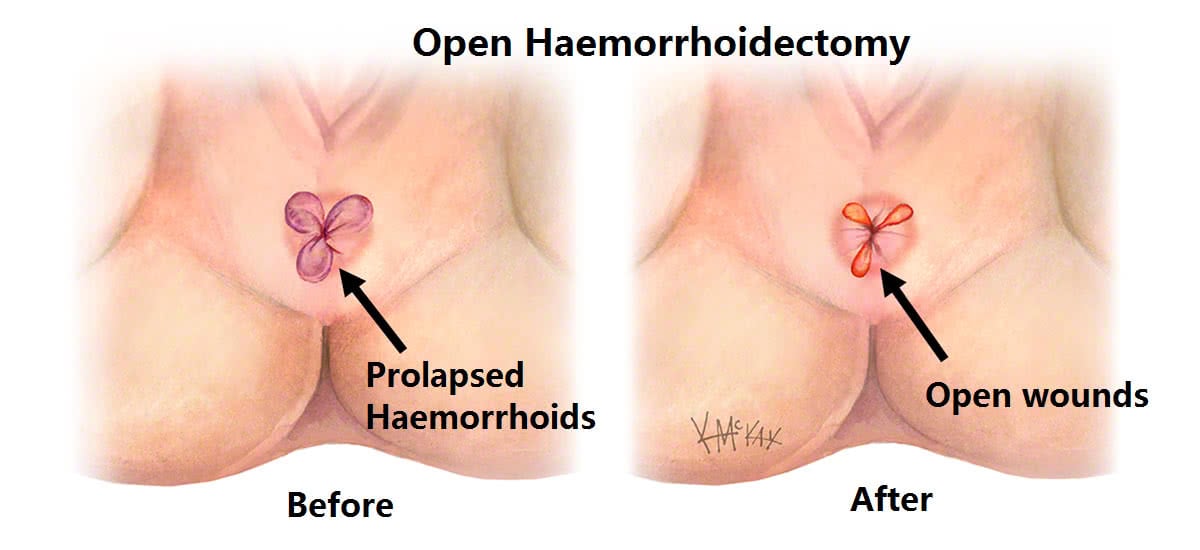
In severe cases of external hemorrhoids, surgery may be necessary for treatment. When conservative measures such as over-the-counter creams or lifestyle changes fail to provide relief, surgical intervention may be recommended by healthcare professionals. Procedures like hemorrhoidectomy or rubber band ligation can be effective in removing or shrinking the swollen blood vessels, alleviating symptoms and improving quality of life for individuals with severe external hemorrhoids. It’s essential to consult with a healthcare provider to determine the most suitable treatment approach based on the severity of the condition and individual health factors.
Understanding External Hemorrhoids Understanding External Hemorrhoids External hemorrhoids are a common condition that affects many individuals. These swollen blood vessels around the anus can cause discomfort and pain, impacting daily life for those affected. It’s essential to understand the symptoms, causes, and treatment options available for external hemorrhoids. Symptoms of External Hemorrhoids The most common…