
Unveiling the Impact of Fungal Infections on Health and Wellness

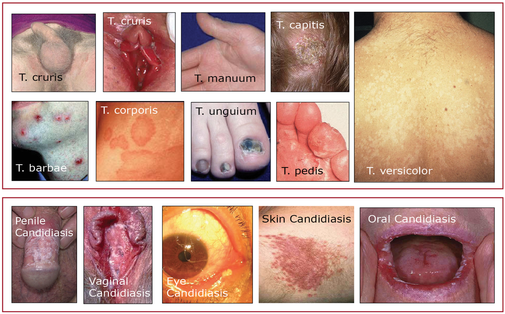
The Hidden Threat: Understanding Fungal Infections
Fungal infections are a common yet often underestimated health concern that can affect individuals of all ages and backgrounds. Caused by various types of fungi, these infections can manifest in different forms and impact different parts of the body. Understanding the nature of fungal infections is crucial for timely diagnosis and effective treatment.
Types of Fungal Infections
There are several types of fungal infections, ranging from superficial skin infections like athlete’s foot and ringworm to more serious systemic infections that can affect internal organs. Common fungal infections include candidiasis, thrush, jock itch, and nail fungus. While some fungal infections are mild and easily treatable, others can be persistent and require medical intervention.
Causes and Risk Factors
Fungal infections typically occur when fungi enter the body through a break in the skin or mucous membranes. Factors such as a weakened immune system, poor hygiene, warm and humid environments, prolonged antibiotic use, diabetes, and obesity can increase the risk of developing fungal infections. Individuals who spend time in communal areas like gyms or swimming pools are also more susceptible to fungal skin conditions.
Symptoms and Diagnosis
The symptoms of fungal infections vary depending on the type and location of the infection. Common signs include redness, itching, swelling, rash, peeling skin, discolored nails, and in some cases, fever or chills for systemic infections. Diagnosis often involves a physical examination by a healthcare provider and may require laboratory tests such as skin scrapings or blood tests to confirm the presence of fungi.
Treatment and Prevention
Treatment for fungal infections typically involves antifungal medications in the form of topical creams, oral medications, or intravenous therapy for severe cases. It’s essential to follow your healthcare provider’s instructions carefully to ensure complete eradication of the infection. Preventative measures such as practicing good hygiene, keeping skin dry and clean, wearing breathable clothing, avoiding sharing personal items like towels or clothing with others can help reduce the risk of fungal infections.
Conclusion
Fungal infections may not always be in the spotlight compared to other health concerns, but they can have a significant impact on one’s quality of life if left untreated. By understanding the causes, symptoms, diagnosis, treatment options, and preventive measures associated with fungal infections, individuals can take proactive steps to protect themselves against this hidden threat to their health.
8 Essential Tips to Prevent and Manage Fungal Infections
- Keep your skin clean and dry to prevent fungal infections.
- Avoid sharing personal items like towels or clothing to reduce the risk of spreading fungi.
- Wear loose-fitting clothes made of natural fibers to allow your skin to breathe.
- Use antifungal powders or creams as directed by a healthcare professional.
- Ensure proper ventilation in shoes and socks to prevent fungal growth on your feet.
- Maintain good hygiene practices, especially in humid environments where fungi thrive.
- Be cautious when using public facilities like swimming pools or gym showers to avoid picking up fungal infections.
- Consult a healthcare provider if you suspect you have a fungal infection for proper diagnosis and treatment.
Keep your skin clean and dry to prevent fungal infections.
To prevent fungal infections, it is essential to maintain clean and dry skin. Fungi thrive in warm and moist environments, making damp skin a breeding ground for infection. By practicing good hygiene habits such as regular bathing, thoroughly drying off after showering or swimming, and wearing breathable clothing, you can help reduce the risk of fungal growth on your skin. Keeping your skin clean and dry not only promotes overall skin health but also acts as a simple yet effective measure to ward off fungal infections.
Avoid sharing personal items like towels or clothing to reduce the risk of spreading fungi.
To reduce the risk of spreading fungi and contracting fungal infections, it is crucial to avoid sharing personal items such as towels or clothing. Fungi can easily transfer from one person to another through these items, especially in warm and humid environments. By maintaining personal hygiene practices and refraining from sharing items that come into close contact with the skin, individuals can significantly lower their chances of exposure to fungal infections.
Wear loose-fitting clothes made of natural fibers to allow your skin to breathe.
To reduce the risk of fungal infections, it is advisable to wear loose-fitting clothes made of natural fibers such as cotton or linen. These fabrics allow your skin to breathe by promoting air circulation and moisture evaporation, creating an environment less conducive to fungal growth. By opting for breathable clothing, you can help maintain healthy skin and minimise the chances of developing fungal skin conditions.
Use antifungal powders or creams as directed by a healthcare professional.
To effectively combat fungal infections, it is crucial to follow the guidance of a healthcare professional when using antifungal powders or creams. These specialized treatments are designed to target and eliminate fungal growth, providing relief from symptoms and aiding in the healing process. By adhering to the recommended application instructions, individuals can maximize the effectiveness of antifungal products and accelerate their recovery from fungal infections. Consulting with a healthcare professional ensures proper usage and optimal outcomes in managing and treating fungal skin conditions.
Ensure proper ventilation in shoes and socks to prevent fungal growth on your feet.
To prevent fungal growth on your feet, it is essential to ensure proper ventilation in your shoes and socks. Fungi thrive in warm, moist environments, making sweaty feet a breeding ground for infections like athlete’s foot. By allowing air to circulate around your feet and choosing breathable footwear, you can reduce the risk of fungal growth and keep your feet healthy and happy. Remember, a little ventilation can go a long way in maintaining foot hygiene and preventing uncomfortable fungal infections.
Maintain good hygiene practices, especially in humid environments where fungi thrive.
In humid environments where fungi thrive, maintaining good hygiene practices is essential to prevent fungal infections. Keeping your skin clean and dry, wearing breathable clothing, and avoiding sharing personal items can help reduce the risk of fungal growth. By staying vigilant and practicing proper hygiene, you can create an environment that is less hospitable to fungi and protect yourself from potential infections.
Be cautious when using public facilities like swimming pools or gym showers to avoid picking up fungal infections.
When using public facilities such as swimming pools or gym showers, it is essential to exercise caution to prevent the risk of picking up fungal infections. These environments, which are often warm and humid, provide the perfect breeding ground for fungi. To reduce the likelihood of contracting a fungal infection, it is advisable to wear protective footwear in communal areas, avoid sharing personal items like towels or clothing, and ensure proper hygiene practices such as drying off thoroughly after exposure to water. By taking these precautions, individuals can safeguard themselves against the potential threat of fungal infections in public settings.
Consult a healthcare provider if you suspect you have a fungal infection for proper diagnosis and treatment.
If you suspect that you have a fungal infection, it is crucial to consult a healthcare provider for a proper diagnosis and treatment. A healthcare professional can accurately identify the type of fungal infection you have and recommend the most effective course of treatment. Early intervention can help prevent the infection from worsening and ensure a speedy recovery. Remember, seeking medical advice is key to managing fungal infections and safeguarding your health.
The Hidden Threat: Understanding Fungal Infections Fungal infections are a common yet often underestimated health concern that can affect individuals of all ages and backgrounds. Caused by various types of fungi, these infections can manifest in different forms and impact different parts of the body. Understanding the nature of fungal infections is crucial for timely…