
Managing Low Blood Sugar Levels: Tips for a Healthier You

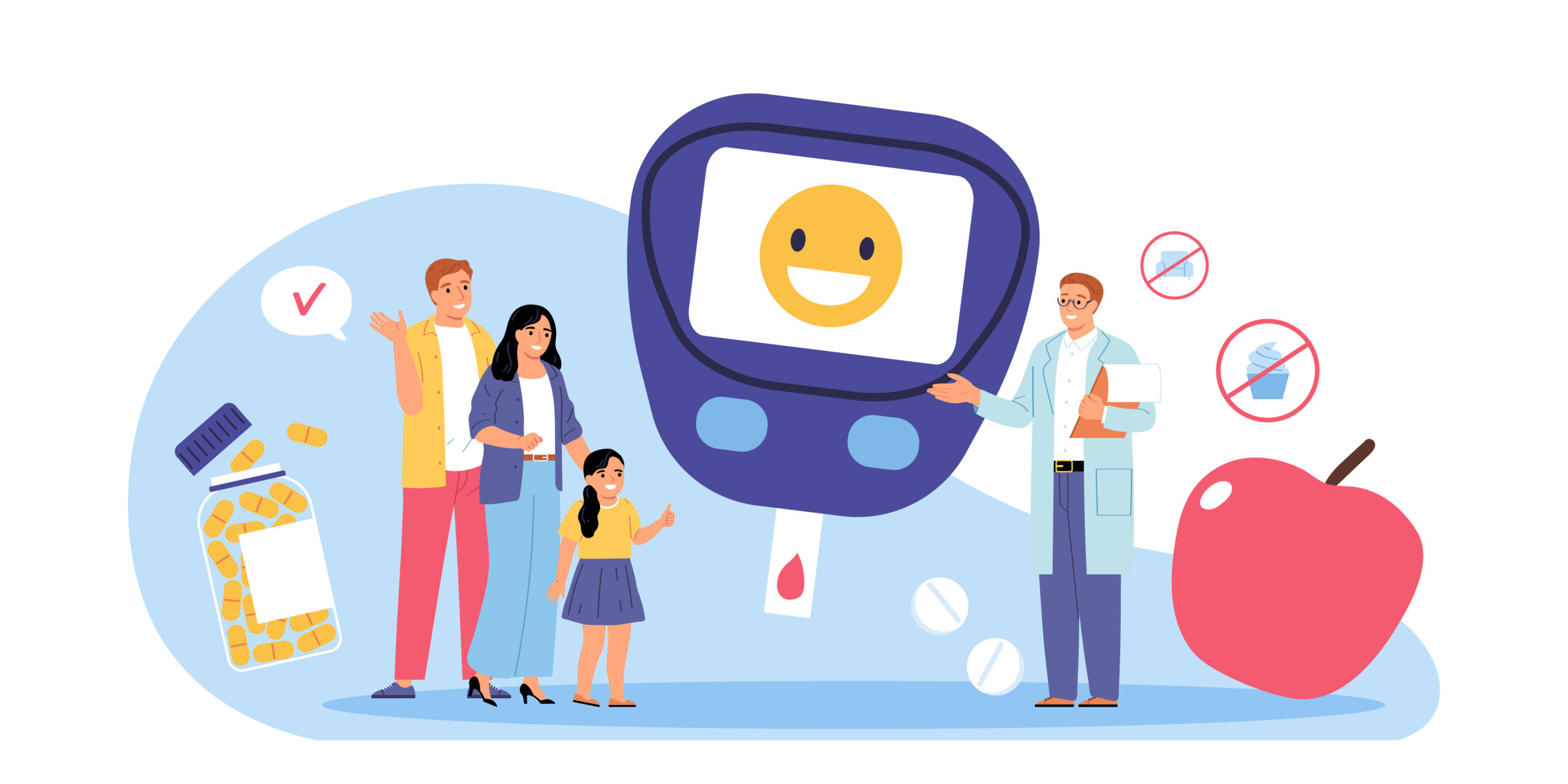
Understanding Low Blood Sugar
Low blood sugar, also known as hypoglycemia, occurs when the level of glucose in your blood drops below normal. This condition can affect anyone, but it is most commonly associated with individuals who have diabetes. However, low blood sugar can also occur in people without diabetes due to various reasons.
Symptoms of Low Blood Sugar
The symptoms of low blood sugar can vary from person to person but may include:
- Feeling shaky or jittery
- Sweating
- Rapid heartbeat
- Dizziness or lightheadedness
- Hunger
- Irritability or mood changes
- Confusion
- Blurred vision
Causes of Low Blood Sugar
Common causes of low blood sugar include:
- Skipping meals or not eating enough food
- Exercising more than usual without adjusting food intake or insulin dosage (for diabetics)
- Taking too much insulin or other diabetes medications
- Drinking alcohol without eating enough food
- Illness or infection that affects eating habits and insulin sensitivity
Treatment for Low Blood Sugar
If you suspect you have low blood sugar, it’s important to act promptly. Here are some steps you can take:
- Consume fast-acting carbohydrates like glucose tablets, fruit juice, or regular soda.
- Follow up with a snack containing protein and carbohydrates to stabilize your blood sugar levels.
- If symptoms persist or worsen, seek medical attention immediately.
- Eat regular meals and snacks throughout the day.
- Avoid skipping meals, especially if you take medications that lower blood sugar levels.
- Maintain a balanced diet that includes a mix of carbohydrates, proteins, and fats.
- Monitor your blood sugar levels regularly if you have diabetes and adjust your medication as needed.
- Carry a source of fast-acting glucose with you at all times in case of emergencies.
In Conclusion>
If you experience symptoms of low blood sugar, it’s essential to address them promptly. Understanding the causes and taking preventive measures can help you manage this condition effectively. Consult with your healthcare provider for personalized advice on managing low blood sugar and maintaining overall well-being.
>
>
Understanding Low Blood Sugar: Key Questions and Answers for Effective Management
- What is low blood sugar?
- What are the symptoms of low blood sugar?
- What causes low blood sugar?
- How is low blood sugar treated?
- Can low blood sugar occur in people without diabetes?
- How can I prevent episodes of low blood sugar?
- When should I seek medical help for low blood sugar?
What is low blood sugar?
Low blood sugar, also known as hypoglycemia, refers to a condition where the level of glucose in the bloodstream drops below normal levels. This can occur in individuals with diabetes as well as those without the condition. Symptoms of low blood sugar can vary but often include shakiness, sweating, dizziness, and confusion. It is important to recognize and address low blood sugar promptly to prevent complications and ensure overall well-being. Understanding the causes and appropriate management of low blood sugar is crucial for maintaining optimal health.
What are the symptoms of low blood sugar?
When it comes to low blood sugar, understanding its symptoms is crucial for timely recognition and management. Common signs of low blood sugar, also known as hypoglycemia, may include shakiness, sweating, rapid heartbeat, dizziness, hunger, irritability, confusion, and blurred vision. These symptoms can vary among individuals but serve as important indicators that prompt action may be needed to raise blood sugar levels back to a healthy range. If you experience any of these symptoms, it’s essential to address them promptly to prevent further complications.
What causes low blood sugar?
Low blood sugar, also known as hypoglycemia, can be caused by various factors. For individuals with diabetes, taking too much insulin or other diabetes medications, skipping meals, or not eating enough food can lead to a drop in blood sugar levels. Additionally, excessive physical activity without adjusting food intake or insulin dosage can also result in low blood sugar. In non-diabetic individuals, alcohol consumption without sufficient food intake and certain medical conditions affecting hormone levels can contribute to hypoglycemia. Understanding the causes of low blood sugar is crucial in managing this condition effectively and taking appropriate preventive measures.
How is low blood sugar treated?
When it comes to treating low blood sugar, the key is to act promptly and effectively. Individuals experiencing low blood sugar levels can take immediate steps to raise their glucose levels back to normal. Fast-acting carbohydrates such as glucose tablets, fruit juice, or regular soda can help restore blood sugar levels quickly. It’s recommended to follow up with a snack containing protein and carbohydrates to stabilize blood sugar levels. If symptoms persist or worsen, seeking medical attention is crucial for proper evaluation and management of low blood sugar episodes.
Can low blood sugar occur in people without diabetes?
Low blood sugar, also known as hypoglycemia, can indeed occur in people without diabetes. While low blood sugar is commonly associated with individuals who have diabetes, it can also happen in non-diabetic individuals due to various reasons. Factors such as skipping meals, excessive alcohol consumption without eating enough food, prolonged physical activity without adequate nutrition, or certain medical conditions can lead to episodes of low blood sugar in non-diabetic individuals. It’s important for everyone to be aware of the symptoms and causes of low blood sugar to take appropriate actions when needed.
How can I prevent episodes of low blood sugar?
To prevent episodes of low blood sugar, it is essential to maintain a balanced approach to managing your blood glucose levels. Start by eating regular meals and snacks throughout the day to keep your blood sugar stable. Avoid skipping meals, especially if you are on medications that lower blood sugar levels. A well-rounded diet that includes a mix of carbohydrates, proteins, and fats can help regulate your blood sugar more effectively. Monitoring your blood sugar levels regularly, particularly if you have diabetes, and adjusting your medication as needed can also play a significant role in preventing episodes of low blood sugar. Lastly, always carry a fast-acting glucose source with you for emergencies to quickly raise your blood sugar levels when necessary. By following these proactive steps, you can reduce the likelihood of experiencing low blood sugar episodes and maintain better overall health.
When should I seek medical help for low blood sugar?
If you experience severe symptoms of low blood sugar, such as confusion, seizures, or loss of consciousness, it is crucial to seek immediate medical help. Additionally, if your symptoms do not improve after consuming fast-acting carbohydrates or if you require assistance from someone else to treat the low blood sugar episode, it is advisable to contact a healthcare professional promptly. Monitoring your blood sugar levels closely and knowing when to seek medical assistance can prevent complications and ensure your well-being in cases of severe hypoglycemia.
Understanding Low Blood Sugar Understanding Low Blood Sugar Low blood sugar, also known as hypoglycemia, occurs when the level of glucose in your blood drops below normal. This condition can affect anyone, but it is most commonly associated with individuals who have diabetes. However, low blood sugar can also occur in people without diabetes due…
Preventing Low Blood Sugar Episodes
To prevent low blood sugar episodes, consider the following tips: