
Exploring the Depths: The Fascinating World of Marine Biology

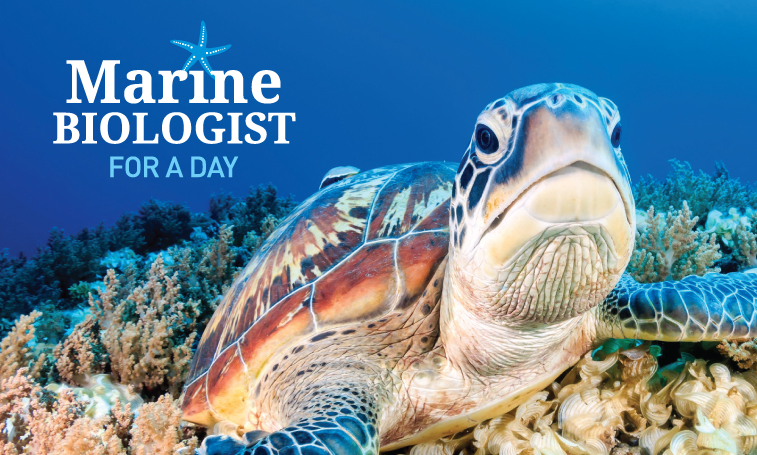
The Wonders of Marine Biology
Marine biology, the study of life in the ocean and other saltwater environments, is a fascinating field that delves into the mysteries of the underwater world. From microscopic organisms to majestic whales, marine biologists explore a diverse array of marine life and ecosystems, uncovering invaluable insights that help us better understand our planet.
Diversity of Marine Life
The oceans cover more than 70% of Earth’s surface, teeming with an incredible variety of species. Coral reefs host a kaleidoscope of colourful fish and intricate invertebrates, while deep-sea trenches are home to bizarre creatures adapted to extreme pressures and darkness. Marine biologists study these ecosystems to unravel the complex relationships between organisms and their environment.
Importance of Marine Conservation
Marine biology plays a crucial role in conservation efforts aimed at protecting our oceans and marine life. With threats such as overfishing, pollution, and climate change endangering delicate marine ecosystems, understanding the impact of human activities on the ocean is essential for developing sustainable solutions. By studying marine biology, scientists can advocate for policies that promote marine conservation and biodiversity preservation.
Technological Advancements in Marine Biology
Advancements in technology have revolutionised the field of marine biology, enabling scientists to explore previously inaccessible depths and observe marine life in unprecedented detail. Remote-operated vehicles (ROVs) allow researchers to conduct deep-sea exploration without descending into dangerous waters, while DNA analysis techniques help identify new species and uncover evolutionary relationships among organisms.
Careers in Marine Biology
For those passionate about the ocean and its inhabitants, a career in marine biology offers a world of opportunities. Whether conducting research in academic institutions, working for conservation organisations, or exploring marine biodiversity with government agencies, marine biologists play a vital role in advancing our knowledge of the underwater world and advocating for its protection.
Conclusion
Marine biology is an endlessly captivating field that continues to unveil the secrets of our oceans. Through research, conservation efforts, and technological innovation, marine biologists contribute to our understanding of aquatic ecosystems and inspire us to appreciate the beauty and complexity of marine life. As we strive to protect our oceans for future generations, the work of marine biologists remains essential in safeguarding this precious resource.
Exploring Marine Biology: Uncovering Species, Protecting Biodiversity, and Advancing Ocean Sustainability
- 1. Explore diverse marine ecosystems and discover new species.
- 2. Contribute to conservation efforts and protect marine biodiversity.
- 3. Study the impact of human activities on ocean health and advocate for sustainable practices.
- 4. Utilise cutting-edge technology for underwater research and exploration.
- 5. Pursue a rewarding career dedicated to understanding and preserving our oceans.
Challenges in Marine Biology: Navigating Funding, Ethics, and Environmental Pressures
- Limited funding for research projects can hinder the progress of marine biology studies.
- Fieldwork in marine biology often involves challenging conditions and physical demands.
- Marine biologists may face ethical dilemmas when conducting experiments or interventions in natural ecosystems.
- Climate change and human activities pose significant threats to marine biodiversity, making conservation efforts crucial but challenging.
- Access to remote marine environments for research purposes can be logistically difficult and expensive.
- Job opportunities in marine biology may be competitive, requiring advanced degrees and specialized skills.
- Long periods away from home on research expeditions or fieldwork assignments can impact work-life balance for marine biologists.
1. Explore diverse marine ecosystems and discover new species.
One of the compelling pros of marine biology is the opportunity to explore diverse marine ecosystems and uncover new species that have yet to be documented. From vibrant coral reefs to the mysterious depths of the ocean, marine biologists have the chance to encounter a wide array of organisms, each with its unique adaptations and behaviours. By discovering new species, researchers contribute not only to expanding our knowledge of marine biodiversity but also to understanding the intricate interconnectedness of life in the oceans. This aspect of marine biology offers endless possibilities for exploration and discovery, making it an exciting and rewarding field for those passionate about uncovering the mysteries of the underwater world.
2. Contribute to conservation efforts and protect marine biodiversity.
One significant pro of marine biology is its ability to contribute to conservation efforts and protect marine biodiversity. By studying the intricate relationships between marine organisms and their environment, marine biologists can identify key threats to ocean ecosystems and develop strategies for conservation. Through research, advocacy, and education, marine biologists play a crucial role in raising awareness about the importance of preserving marine biodiversity and implementing sustainable practices to safeguard our oceans for future generations.
3. Study the impact of human activities on ocean health and advocate for sustainable practices.
In the realm of marine biology, a crucial pro is the ability to study the impact of human activities on ocean health and advocate for sustainable practices. By closely examining how human actions such as overfishing, pollution, and climate change affect marine ecosystems, marine biologists play a vital role in raising awareness about the importance of preserving our oceans. Through their research and advocacy efforts, they strive to promote sustainable practices that help protect marine biodiversity and ensure the long-term health of our seas for future generations.
4. Utilise cutting-edge technology for underwater research and exploration.
Marine biology harnesses cutting-edge technology to delve into the depths of underwater realms, enabling researchers to conduct innovative research and exploration. From remote-operated vehicles (ROVs) equipped with high-definition cameras to advanced sonar systems that map the ocean floor, these technological tools provide unprecedented access to marine environments. By utilising state-of-the-art technology, marine biologists can study elusive species, investigate underwater ecosystems, and unravel the mysteries of the ocean with precision and efficiency.
5. Pursue a rewarding career dedicated to understanding and preserving our oceans.
By pursuing a career in marine biology, individuals have the opportunity to embark on a fulfilling path dedicated to understanding and preserving our oceans. As marine biologists, they play a crucial role in studying marine ecosystems, identifying conservation strategies, and advocating for sustainable practices that protect our precious marine resources. Through their work, they contribute to the greater understanding of ocean life and help ensure the health and longevity of our oceans for future generations to enjoy and benefit from.
Limited funding for research projects can hinder the progress of marine biology studies.
Limited funding for research projects can pose a significant challenge to the advancement of marine biology studies. Without adequate financial support, researchers may struggle to conduct essential fieldwork, acquire necessary equipment, or fund long-term monitoring programs. This limitation can restrict the scope of research initiatives and impede scientific discoveries in understanding marine ecosystems and biodiversity. As marine biology plays a crucial role in conservation efforts and environmental management, ensuring sufficient funding for research projects is vital to overcoming barriers and fostering progress in this critical field of study.
Fieldwork in marine biology often involves challenging conditions and physical demands.
Fieldwork in marine biology presents a significant challenge due to the demanding conditions and physical rigours involved. Marine biologists must contend with unpredictable weather patterns, rough seas, and remote locations, making their work both mentally and physically taxing. From conducting research on rocky coastlines to diving into deep waters to observe marine life up close, fieldwork requires resilience, adaptability, and a strong physical constitution. Despite these challenges, dedicated marine biologists persevere in their quest to unravel the mysteries of the ocean and contribute valuable insights to the field of marine biology.
Marine biologists may face ethical dilemmas when conducting experiments or interventions in natural ecosystems.
Marine biologists engaged in research and interventions within natural ecosystems may encounter ethical dilemmas that challenge their principles and responsibilities. The delicate balance of marine ecosystems requires careful consideration when conducting experiments or implementing interventions, as unintended consequences can have far-reaching impacts on marine life and habitats. Balancing the pursuit of scientific knowledge with ethical considerations regarding the well-being of marine organisms and ecosystems is a complex task that demands thoughtful reflection and adherence to ethical guidelines to ensure the preservation and protection of our precious marine environments.
Climate change and human activities pose significant threats to marine biodiversity, making conservation efforts crucial but challenging.
Climate change and human activities present a daunting conundrum for marine biology, as these factors pose substantial threats to marine biodiversity. The delicate balance of underwater ecosystems is increasingly disrupted by rising sea temperatures, ocean acidification, overfishing, and pollution. As a result, conservation efforts are more crucial than ever to safeguard marine life and habitats. However, the complexity of addressing these challenges in the face of rapid environmental degradation makes conservation efforts both vital and inherently challenging for marine biologists striving to protect our oceans for future generations.
Access to remote marine environments for research purposes can be logistically difficult and expensive.
Accessing remote marine environments for research purposes in the field of marine biology can present significant challenges due to logistical difficulties and high costs. Researchers often face obstacles such as limited transportation options, harsh weather conditions, and the need for specialized equipment to reach these distant locations. The expenses involved in organizing expeditions to remote marine sites, including vessel rentals, accommodation, and research permits, can strain research budgets. Despite these hurdles, scientists persevere in their quest to study these untouched ecosystems, driven by a passion for understanding the mysteries of the ocean and advancing our knowledge of marine life.
Job opportunities in marine biology may be competitive, requiring advanced degrees and specialized skills.
In the field of marine biology, one significant challenge is the competitiveness of job opportunities, often necessitating advanced degrees and specialized skills. With a limited number of positions available in research institutions, conservation organisations, and government agencies, aspiring marine biologists face intense competition for employment. Obtaining higher education qualifications and developing expertise in specific areas of marine biology are essential to stand out in this competitive field and secure rewarding career opportunities.
Long periods away from home on research expeditions or fieldwork assignments can impact work-life balance for marine biologists.
One significant challenge faced by marine biologists is the extended periods spent away from home during research expeditions or fieldwork assignments. This can have a notable impact on their work-life balance, as these dedicated professionals often find themselves separated from their families and familiar surroundings for extended periods. The demanding nature of marine biology fieldwork requires a commitment to conducting research in remote and sometimes harsh environments, which can take a toll on personal relationships and overall well-being. Despite the sacrifices involved, marine biologists persevere in their quest to unravel the mysteries of the ocean and contribute to the conservation of marine ecosystems.
The Wonders of Marine Biology Marine biology, the study of life in the ocean and other saltwater environments, is a fascinating field that delves into the mysteries of the underwater world. From microscopic organisms to majestic whales, marine biologists explore a diverse array of marine life and ecosystems, uncovering invaluable insights that help us better…