
Understanding the Impact of an Overactive Thyroid on Your Health

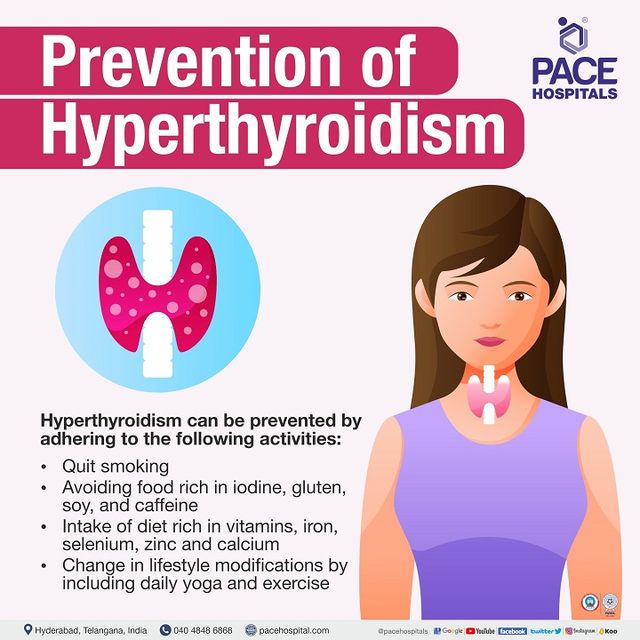
The Impact of an Overactive Thyroid on Your Health
When it comes to thyroid disorders, an overactive thyroid, also known as hyperthyroidism, can have a significant impact on your overall health and well-being. The thyroid gland plays a crucial role in regulating various bodily functions, including metabolism, heart rate, and energy levels. When the thyroid gland produces an excess amount of thyroid hormones, it can lead to a range of symptoms and complications that require prompt medical attention.
Common Symptoms of an Overactive Thyroid
An overactive thyroid can manifest itself through a variety of symptoms, including:
- Unexplained weight loss
- Increased appetite
- Rapid heartbeat (palpitations)
- Anxiety and irritability
- Tremors in the hands or fingers
- Difficulty sleeping
- Sweating excessively
- Sensitivity to heat
Potential Complications of Untreated Hyperthyroidism
If left untreated, hyperthyroidism can lead to serious health complications, such as:
- Heart problems: A rapid heartbeat and high blood pressure can increase the risk of heart failure or atrial fibrillation.
- Osteoporosis: Excess thyroid hormone can weaken bones and increase the risk of fractures.
- Thyroid storm: In rare cases, untreated hyperthyroidism can escalate into a life-threatening condition known as a thyroid storm.
- Eye problems: Some individuals with hyperthyroidism may experience eye issues like bulging eyes (Graves’ ophthalmopathy).
Treatment Options for Hyperthyroidism
If you suspect you have an overactive thyroid or have been diagnosed with hyperthyroidism, it’s essential to seek medical advice from a healthcare professional. Treatment options for hyperthyroidism may include:
- Medications: Antithyroid drugs can help reduce the production of thyroid hormones.
Radioactive iodine therapy: This treatment aims to destroy part of the thyroid gland to reduce hormone production. l
- Surgery: In some cases, surgical removal of part or all of the thyroid gland may be necessary. l
- Beta-blockers: These medications can help alleviate symptoms like rapid heartbeat and tremors. l
- Regular monitoring: It’s crucial to monitor thyroid function regularly to ensure treatment effectiveness. l
- Dietary adjustments: Some individuals may benefit from dietary changes that support thyroid health.
In Conclusion
An overactive thyroid is a condition that requires timely intervention and management. By recognising the symptoms and seeking appropriate treatment, individuals with hyperthyroidism can effectively control their condition and minimise potential complications. If you suspect you have an overactive thyroid or are experiencing concerning symptoms, don’t hesitate to consult a healthcare provider for proper evaluation and guidance on managing your thyroid health.
Understanding Overactive Thyroid: Answers to Common Questions About Hyperthyroidism
- What is an overactive thyroid?
- What are the common symptoms of hyperthyroidism?
- How is hyperthyroidism diagnosed?
- What are the potential complications of untreated hyperthyroidism?
- What treatment options are available for an overactive thyroid?
- Can diet and lifestyle changes help manage hyperthyroidism?
- Is hyperthyroidism a lifelong condition?
- Are there any natural remedies or supplements that can help with hyperthyroidism?
What is an overactive thyroid?
An overactive thyroid, also known as hyperthyroidism, is a condition in which the thyroid gland produces an excess amount of thyroid hormones. These hormones play a crucial role in regulating metabolism, heart rate, and energy levels in the body. When the thyroid gland becomes overactive, it can lead to a range of symptoms such as unexplained weight loss, rapid heartbeat, anxiety, and tremors. It’s essential to seek medical attention if you suspect you have an overactive thyroid to receive proper diagnosis and treatment to manage the condition effectively.
What are the common symptoms of hyperthyroidism?
Hyperthyroidism, or an overactive thyroid, presents a range of common symptoms that can significantly impact an individual’s health and well-being. Some of the typical signs of hyperthyroidism include unexplained weight loss, increased appetite, rapid heartbeat (palpitations), anxiety and irritability, tremors in the hands or fingers, difficulty sleeping, sweating excessively, and sensitivity to heat. Recognising these symptoms is crucial in seeking timely medical attention and appropriate treatment to effectively manage the condition and prevent potential complications associated with an overactive thyroid.
How is hyperthyroidism diagnosed?
Diagnosing hyperthyroidism involves a series of tests to assess thyroid function and hormone levels in the body. Healthcare providers commonly use blood tests to measure the levels of thyroid hormones, such as T3 and T4, as well as thyroid-stimulating hormone (TSH). Additionally, radioactive iodine uptake tests and thyroid scans may be conducted to evaluate the activity and size of the thyroid gland. Symptoms reported by the individual, along with physical examinations, are also taken into consideration during the diagnostic process. A comprehensive assessment combining these factors helps healthcare professionals accurately diagnose hyperthyroidism and develop an appropriate treatment plan tailored to the individual’s needs.
What are the potential complications of untreated hyperthyroidism?
Untreated hyperthyroidism can lead to a range of potential complications that significantly impact an individual’s health. Without proper management, hyperthyroidism can increase the risk of serious conditions such as heart problems, including rapid heartbeat and high blood pressure, which may contribute to heart failure or atrial fibrillation. Additionally, untreated hyperthyroidism can weaken bones and result in osteoporosis, making individuals more susceptible to fractures. In rare cases, the condition can escalate into a life-threatening thyroid storm. Furthermore, some individuals with hyperthyroidism may experience eye issues like bulging eyes (Graves’ ophthalmopathy) if the condition is left untreated. It is crucial for individuals with hyperthyroidism to seek medical attention and adhere to treatment recommendations to prevent these potential complications from arising.
What treatment options are available for an overactive thyroid?
When it comes to managing an overactive thyroid, there are several treatment options available to address the condition effectively. Healthcare professionals may recommend antithyroid medications to reduce the production of excess thyroid hormones. Another common treatment approach is radioactive iodine therapy, which aims to decrease hormone levels by targeting and damaging part of the thyroid gland. In some cases, surgical intervention may be necessary to remove part or all of the thyroid gland. Additionally, beta-blockers can help alleviate symptoms like rapid heartbeat and tremors associated with hyperthyroidism. Regular monitoring of thyroid function is essential to ensure treatment effectiveness and adjust the approach as needed. Consulting a healthcare provider for personalised guidance on the most suitable treatment option for an overactive thyroid is crucial in managing this condition efficiently.
Can diet and lifestyle changes help manage hyperthyroidism?
For individuals with hyperthyroidism, making strategic diet and lifestyle changes can indeed play a supportive role in managing the condition. While these modifications may not be a direct cure for hyperthyroidism, they can help alleviate symptoms and improve overall well-being. A balanced diet rich in nutrients like iodine, selenium, and zinc, along with regular exercise and stress management techniques, can contribute to better thyroid health. Consulting with a healthcare provider or a dietitian is essential to tailor dietary adjustments and lifestyle strategies to individual needs and ensure they complement medical treatment for hyperthyroidism effectively.
Is hyperthyroidism a lifelong condition?
Hyperthyroidism, also known as an overactive thyroid, is not always a lifelong condition. The duration of hyperthyroidism can vary depending on the underlying cause and individual factors. In some cases, hyperthyroidism may be temporary and resolve on its own or with appropriate treatment. However, certain causes of hyperthyroidism, such as Graves’ disease or nodular goitre, may require long-term management to keep the condition under control. Regular monitoring and follow-up with a healthcare provider are essential to assess thyroid function and adjust treatment as needed. It’s important for individuals with hyperthyroidism to work closely with their healthcare team to ensure optimal management of their condition and overall well-being.
Are there any natural remedies or supplements that can help with hyperthyroidism?
When it comes to managing hyperthyroidism, many individuals may wonder about the potential role of natural remedies or supplements in alleviating symptoms. While some people explore complementary approaches to support thyroid health, it’s essential to approach these options with caution and consult a healthcare professional before making any changes. Certain herbs, such as bugleweed and lemon balm, have been traditionally used to help regulate thyroid function, but their effectiveness and safety vary among individuals. Additionally, dietary supplements like selenium and L-carnitine have been studied for their potential benefits in thyroid conditions. However, it’s crucial to remember that natural remedies are not a substitute for conventional medical treatment, and any supplementation should be discussed with a healthcare provider to ensure compatibility with existing treatments and overall health goals.
The Impact of an Overactive Thyroid on Your Health When it comes to thyroid disorders, an overactive thyroid, also known as hyperthyroidism, can have a significant impact on your overall health and well-being. The thyroid gland plays a crucial role in regulating various bodily functions, including metabolism, heart rate, and energy levels. When the thyroid…