
Navigating Pneumonia Treatment: A Guide to Recovery

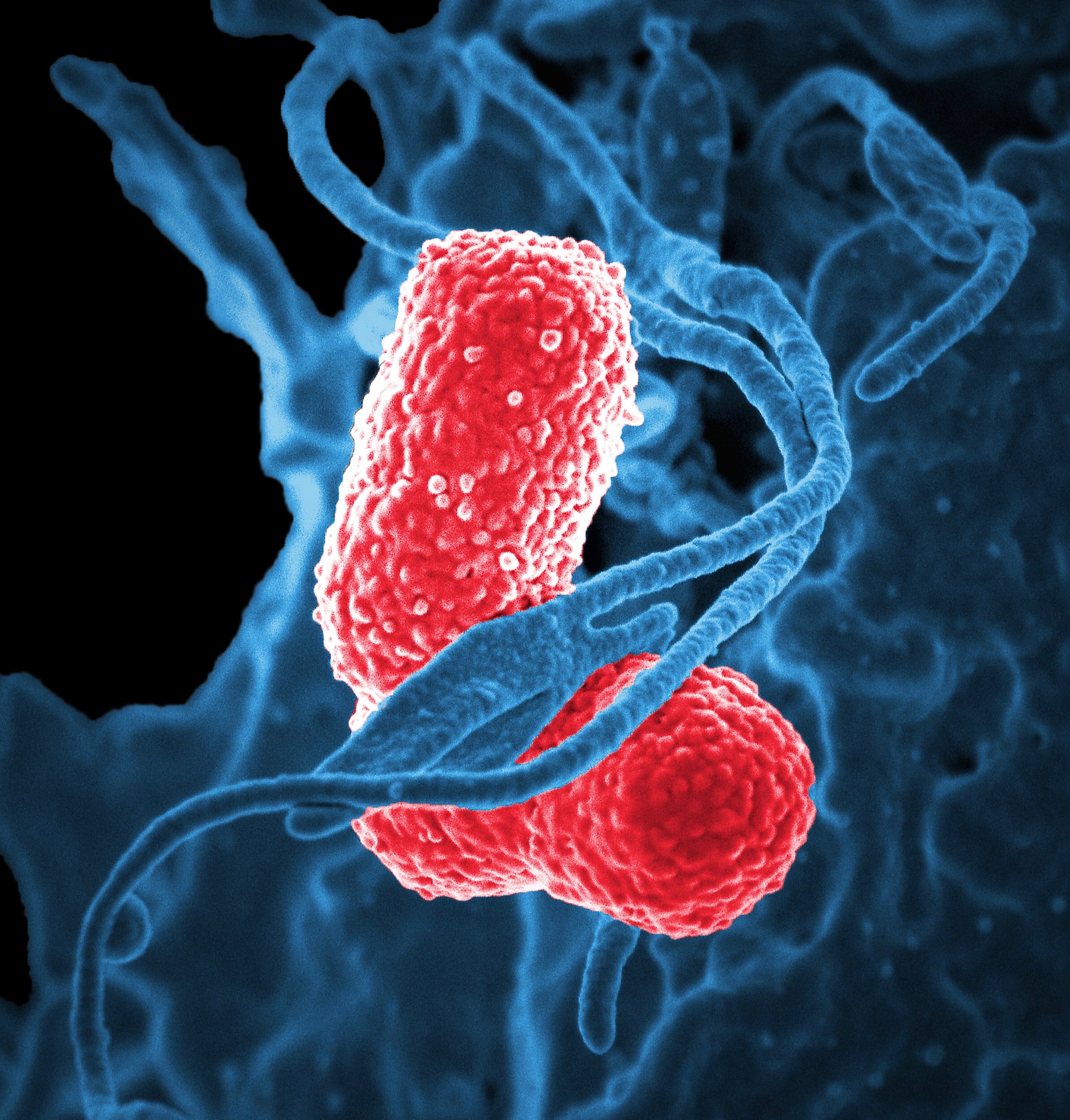
Pneumonia Treatment: Strategies for a Speedy Recovery
Pneumonia is a serious respiratory infection that can affect people of all ages. Prompt and appropriate treatment is essential for a full recovery and to prevent complications. Here are some key strategies for managing pneumonia:
Antibiotics
If your pneumonia is caused by bacteria, your doctor will likely prescribe antibiotics to help fight the infection. It’s crucial to take the full course of antibiotics as prescribed, even if you start feeling better before completing the medication.
Rest and Hydration
Resting and staying hydrated are important components of pneumonia treatment. Your body needs adequate rest to fight off the infection, so make sure to get plenty of sleep. Drinking plenty of fluids helps loosen mucus and keeps you hydrated.
Pain Management
Pneumonia can cause chest pain and discomfort. Over-the-counter pain relievers can help alleviate these symptoms. Consult your healthcare provider before taking any medication to ensure it’s safe for you.
Oxygen Therapy
In severe cases of pneumonia where oxygen levels are low, oxygen therapy may be necessary. This involves receiving supplemental oxygen through a mask or nasal tubes to help you breathe more easily.
Follow-Up Care
After initial treatment, it’s important to follow up with your healthcare provider to monitor your progress and ensure complete recovery. They may recommend follow-up chest X-rays or other tests to assess your lung function.
Remember, everyone’s experience with pneumonia is unique, so treatment plans may vary from person to person. If you suspect you have pneumonia or are experiencing severe symptoms such as difficulty breathing, chest pain, or high fever, seek medical attention immediately.
Comprehensive Pneumonia Treatment: 8 Key Benefits for Recovery and Symptom Relief
- Effective antibiotics can target the specific bacteria causing pneumonia.
- Resting helps your body recover and fight off the infection more efficiently.
- Hydration keeps mucus thin, making it easier to clear from your lungs.
- Pain management medications can alleviate chest discomfort associated with pneumonia.
- Oxygen therapy ensures you receive enough oxygen if your levels are low.
- Follow-up care helps monitor your progress and prevent complications.
- Prompt treatment reduces the risk of pneumonia spreading or becoming severe.
- Treatment can improve symptoms like coughing, fever, and difficulty breathing.
Challenges in Pneumonia Treatment: Side Effects, Mobility Concerns, Drug Interactions, and Oxygen Therapy Discomfort
- Antibiotics can sometimes cause side effects such as nausea, diarrhea, or allergic reactions.
- Resting for extended periods during pneumonia treatment may lead to muscle weakness and reduced mobility.
- Pain management medications used in pneumonia treatment may have potential interactions with other drugs you are taking.
- Oxygen therapy, while beneficial, can be uncomfortable for some patients and may cause dryness in the nasal passages.
Effective antibiotics can target the specific bacteria causing pneumonia.
Effective antibiotics play a crucial role in pneumonia treatment by targeting the specific bacteria responsible for the infection. By identifying the exact type of bacteria causing pneumonia, healthcare providers can prescribe antibiotics that are most effective against that particular strain. This targeted approach helps to combat the infection more efficiently, leading to a faster recovery and reducing the risk of complications. It underscores the importance of accurate diagnosis and tailored treatment in managing pneumonia effectively.
Resting helps your body recover and fight off the infection more efficiently.
Resting plays a crucial role in pneumonia treatment as it allows your body to allocate more energy towards fighting off the infection. When you rest, your immune system can work more efficiently to combat the bacteria or virus causing pneumonia. Adequate rest not only helps speed up the recovery process but also reduces the risk of complications. By giving your body the time it needs to heal, you are supporting its natural ability to overcome the infection and regain strength.
Hydration keeps mucus thin, making it easier to clear from your lungs.
Proper hydration is a crucial aspect of pneumonia treatment as it helps keep mucus thin, facilitating its clearance from the lungs. By staying well-hydrated, individuals with pneumonia can effectively loosen and expel mucus, aiding in the recovery process and improving breathing comfort. Adequate fluid intake not only supports the body’s natural mechanisms for clearing respiratory secretions but also contributes to overall well-being during the healing journey from pneumonia.
Pain management medications can alleviate chest discomfort associated with pneumonia.
Pain management medications play a crucial role in alleviating the chest discomfort often experienced by individuals with pneumonia. These medications can help ease the pain and discomfort caused by inflammation in the lungs, allowing patients to breathe more comfortably and aiding in their overall recovery process. By addressing this symptom, pain management medications contribute significantly to improving the quality of life for pneumonia patients and supporting their journey towards healing.
Oxygen therapy ensures you receive enough oxygen if your levels are low.
Oxygen therapy plays a crucial role in pneumonia treatment by providing supplemental oxygen to individuals with low oxygen levels. This intervention ensures that the body receives sufficient oxygen to support vital functions and promote healing. By delivering the necessary oxygen directly to the lungs, oxygen therapy helps alleviate breathing difficulties and enhances overall respiratory function, aiding in the recovery process for patients battling pneumonia.
Follow-up care helps monitor your progress and prevent complications.
Follow-up care plays a crucial role in pneumonia treatment by enabling healthcare providers to closely monitor your progress and detect any potential complications early on. Through regular check-ups and follow-up tests, such as chest X-rays, your medical team can ensure that your lungs are healing properly and that the infection is fully resolved. This proactive approach not only promotes a speedy recovery but also helps prevent any lingering issues or recurrent infections. By staying engaged with follow-up care, you can significantly improve your chances of a successful outcome and long-term respiratory health.
Prompt treatment reduces the risk of pneumonia spreading or becoming severe.
Prompt treatment of pneumonia plays a crucial role in reducing the risk of the infection spreading or worsening in severity. By addressing pneumonia early on with appropriate medical intervention, such as antibiotics or other prescribed treatments, individuals can prevent potential complications and expedite the recovery process. Timely management not only helps contain the infection but also minimizes the chances of it developing into a more severe condition, ultimately promoting better outcomes and faster healing for patients.
Treatment can improve symptoms like coughing, fever, and difficulty breathing.
Effective pneumonia treatment plays a crucial role in alleviating distressing symptoms such as persistent coughing, high fever, and breathing difficulties. By targeting the underlying infection and providing appropriate care, treatment not only helps in managing these symptoms but also promotes a speedier recovery process. Addressing these discomforts is essential not only for physical comfort but also for overall well-being and quality of life during the recovery period.
Antibiotics can sometimes cause side effects such as nausea, diarrhea, or allergic reactions.
Antibiotics, while crucial in treating bacterial pneumonia, can come with potential drawbacks. One significant con is that they may lead to side effects such as nausea, diarrhea, or allergic reactions in some individuals. These adverse effects can impact a patient’s overall well-being and may require additional medical attention to manage effectively. It’s essential for healthcare providers to closely monitor patients undergoing antibiotic treatment for pneumonia and address any side effects promptly to ensure a smooth recovery process.
Resting for extended periods during pneumonia treatment may lead to muscle weakness and reduced mobility.
During pneumonia treatment, one notable downside of extended resting is the potential development of muscle weakness and reduced mobility. While rest is crucial for allowing the body to recover from the infection, prolonged inactivity can lead to muscle atrophy and decreased strength. This can hinder a patient’s ability to perform daily tasks and may prolong the overall recovery process. It’s important for individuals undergoing pneumonia treatment to strike a balance between adequate rest and gentle movement or physical therapy to prevent muscle weakness and maintain mobility.
Pain management medications used in pneumonia treatment may have potential interactions with other drugs you are taking.
One significant drawback of pneumonia treatment involving pain management medications is the potential for drug interactions with other medications you may be taking. It’s crucial to be aware that certain pain relief drugs used in pneumonia treatment can interact with other medications, leading to adverse effects or reduced effectiveness. This highlights the importance of consulting with your healthcare provider or pharmacist to ensure that any pain management medication prescribed for pneumonia is compatible with your current medication regimen, minimizing the risk of harmful interactions and optimizing your overall treatment plan.
Oxygen therapy, while beneficial, can be uncomfortable for some patients and may cause dryness in the nasal passages.
Oxygen therapy, a crucial aspect of pneumonia treatment for patients with low oxygen levels, can pose challenges for some individuals. While the therapy is undeniably beneficial in improving breathing and oxygen saturation levels, it may cause discomfort for certain patients. One common issue is the dryness it can induce in the nasal passages, leading to irritation and discomfort. This side effect highlights the importance of closely monitoring and managing patient comfort during oxygen therapy to ensure a more tolerable treatment experience.
Pneumonia Treatment: Strategies for a Speedy Recovery Pneumonia Treatment: Strategies for a Speedy Recovery Pneumonia is a serious respiratory infection that can affect people of all ages. Prompt and appropriate treatment is essential for a full recovery and to prevent complications. Here are some key strategies for managing pneumonia: Antibiotics If your pneumonia is caused…