
Navigating the Challenges of Postpartum Depression: A Guide to Maternal Mental Health

Understanding Postpartum Depression: A Closer Look at Maternal Mental Health
Bringing a new life into the world is often portrayed as a time of joy, love, and fulfillment. However, for some women, the period following childbirth can be marked by feelings of sadness, anxiety, and overwhelming despair. This condition is known as postpartum depression (PPD), and it affects a significant number of mothers worldwide.
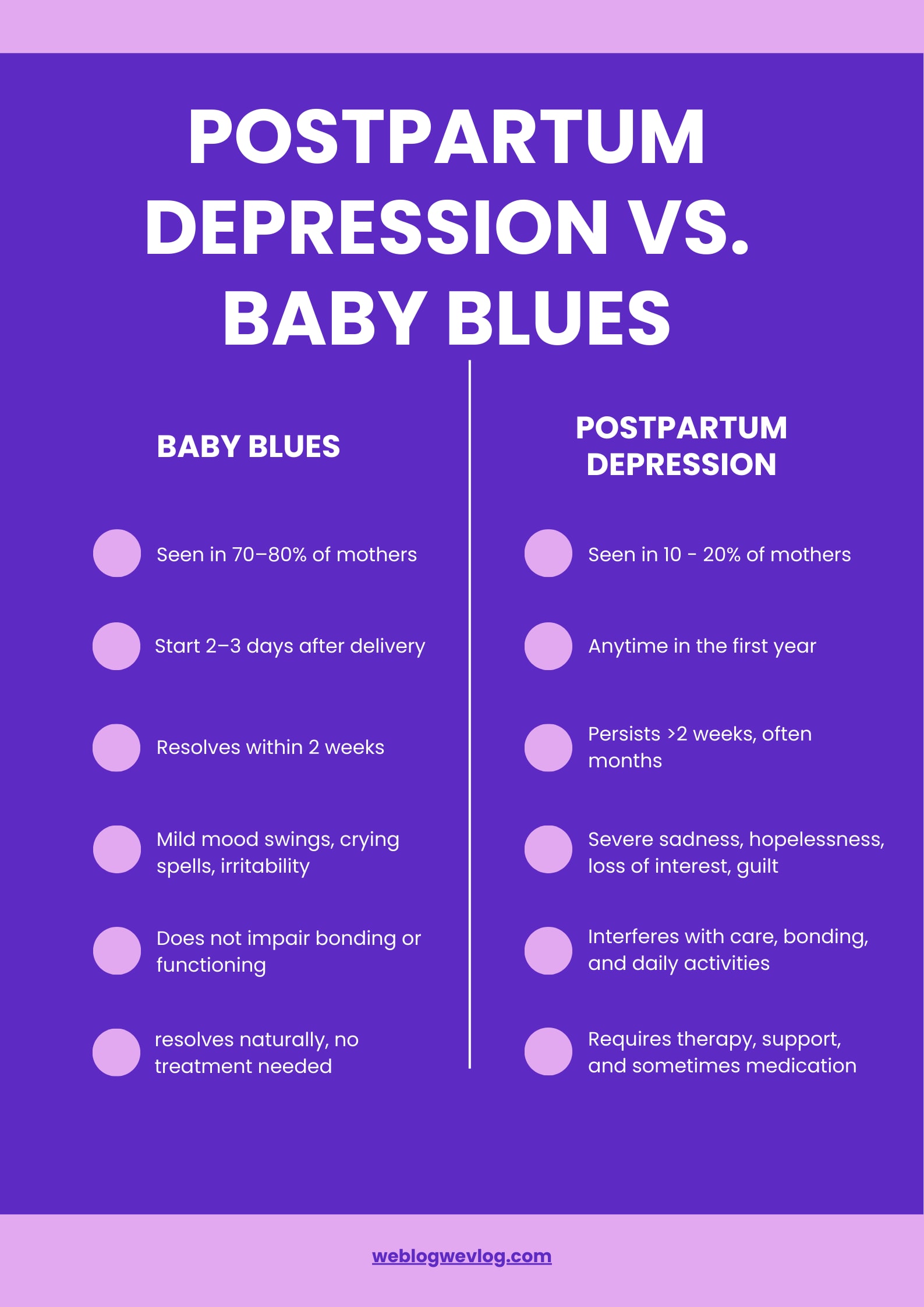
Postpartum depression is not simply feeling “baby blues” or experiencing mild mood swings after giving birth. It is a serious mental health disorder that can have profound effects on both the mother and her child. Symptoms of PPD may include persistent feelings of sadness, hopelessness, irritability, loss of interest in activities, changes in appetite or sleep patterns, and difficulty bonding with the baby.
It’s important to recognise that postpartum depression is not a sign of weakness or inadequacy as a mother. It is a complex interplay of biological, psychological, and social factors that can contribute to the development of this condition. Hormonal changes after childbirth, lack of support or social isolation, history of mental health issues, and stressful life events are among the risk factors associated with PPD.
Seeking help for postpartum depression is crucial for both the mother’s well-being and the infant’s development. Treatment options may include therapy, medication, support groups, lifestyle changes, and self-care practices. It’s essential for mothers experiencing PPD to reach out to healthcare professionals who can provide appropriate guidance and support.
Support from family members, friends, and healthcare providers plays a vital role in helping mothers navigate through postpartum depression. Creating a nurturing environment where mothers feel heard, understood, and supported can make a significant difference in their recovery journey.
As awareness about postpartum depression grows, efforts are being made to reduce stigma surrounding maternal mental health issues. Open discussions about PPD help break down barriers to seeking help and promote understanding and empathy within communities.
Remember that postpartum depression is a treatable condition with proper care and support. By acknowledging the challenges faced by mothers dealing with PPD and offering compassion and assistance when needed, we can create a more supportive environment for maternal mental health.
Understanding Postnatal Depression: Answers to Common Questions
- How do you know if you have postnatal depression?
- What are the three types of postpartum?
- How long does postpartum depression last?
- How do you deal with postpartum depression?
- What is postpartum depression?
- What is postpartum depression characterized by?
- What makes a woman have postpartum?
- What triggers post partum?
How do you know if you have postnatal depression?
Recognising postnatal depression, also known as postpartum depression, involves being attuned to your emotions and mental well-being after giving birth. If you find yourself experiencing persistent feelings of sadness, anxiety, irritability, or hopelessness that interfere with your daily life and ability to care for yourself and your baby, it may be a sign of postnatal depression. Other symptoms to watch out for include changes in appetite or sleep patterns, difficulty bonding with your baby, overwhelming fatigue, and a sense of worthlessness. It’s important to reach out to healthcare professionals if you suspect you may be dealing with postnatal depression, as early intervention and support are key to managing this condition effectively.
What are the three types of postpartum?
Postpartum depression is a common concern for many new mothers, and understanding its different forms can shed light on the nuances of maternal mental health. While there are not three distinct types of postpartum depression, the condition can manifest in various ways, including postpartum blues, postpartum depression (PPD), and postpartum psychosis. Postpartum blues are typically mild and short-lived mood swings experienced by many new mothers, while PPD is a more severe and persistent form of depression that requires professional intervention. On the other hand, postpartum psychosis is a rare but serious condition that involves hallucinations, delusions, and erratic behavior, necessitating immediate medical attention. Recognizing the spectrum of postpartum mental health challenges is crucial in providing appropriate support and care for mothers during this vulnerable period.
How long does postpartum depression last?
Postpartum depression can vary in duration for each individual, with some experiencing symptoms for a few weeks to others enduring it for several months or even longer. It’s essential to recognise that seeking timely support and treatment can significantly impact the course of postpartum depression. While some mothers may find relief relatively quickly with appropriate interventions, others may require ongoing care and management to overcome the challenges of PPD. The duration of postpartum depression is influenced by various factors, including the severity of symptoms, access to support systems, individual coping mechanisms, and the effectiveness of treatment strategies. If you or someone you know is experiencing postpartum depression, reaching out to healthcare professionals for guidance and assistance is crucial in addressing this mental health condition effectively.
How do you deal with postpartum depression?
Dealing with postpartum depression involves a multifaceted approach that prioritises self-care, seeking professional help, and building a strong support system. It’s essential for mothers experiencing postpartum depression to reach out to healthcare providers for an accurate diagnosis and treatment plan tailored to their needs. Therapy, medication, lifestyle changes, and support groups are common avenues for managing postpartum depression. Engaging in self-care practices such as getting enough rest, eating well, staying active, and taking time for oneself can also be beneficial. Building a supportive network of family members, friends, and fellow mothers who understand and empathise with the challenges of PPD can provide invaluable emotional support during this difficult time. Remember, seeking help is not a sign of weakness but a courageous step towards healing and recovery.
What is postpartum depression?
Postpartum depression, often abbreviated as PPD, is a mental health condition that can affect women after giving birth. It goes beyond the typical “baby blues” experienced by many new mothers and involves persistent feelings of sadness, anxiety, and hopelessness. Postpartum depression can interfere with a mother’s ability to care for herself and her baby, impacting daily functioning and emotional well-being. It is important to recognise the signs of postpartum depression and seek support from healthcare professionals to address this serious but treatable condition effectively.
What is postpartum depression characterized by?
Postpartum depression is characterized by a range of emotional and physical symptoms that can significantly impact a mother’s well-being. These may include persistent feelings of sadness, hopelessness, or emptiness, overwhelming anxiety or irritability, changes in appetite or sleep patterns, difficulty concentrating or making decisions, loss of interest in activities once enjoyed, and challenges in bonding with the newborn. It’s important to recognise that postpartum depression is a serious mental health condition that requires attention and support to ensure the mother’s recovery and overall health.
What makes a woman have postpartum?
Postpartum depression can be triggered by a combination of physical, emotional, and social factors. Hormonal changes after childbirth, including a rapid drop in estrogen and progesterone levels, can play a significant role in the development of postpartum depression. Additionally, sleep deprivation, physical discomfort from childbirth, and the stress of adjusting to a new role as a mother can contribute to feelings of sadness and anxiety. Past experiences of mental health issues, lack of support from family or friends, financial stress, and relationship difficulties are also factors that may increase the risk of postpartum depression in women. It’s important to understand that postpartum depression is not solely caused by one factor but rather a complex interplay of various elements that impact each woman differently.
What triggers post partum?
Postpartum depression can be triggered by a combination of factors, both biological and environmental. Hormonal changes following childbirth, such as a rapid drop in estrogen and progesterone levels, are believed to play a significant role in the onset of postpartum depression. Additionally, sleep deprivation, lack of social support, history of mental health issues, stressful life events, and feelings of isolation or inadequacy as a new mother can also contribute to triggering postpartum depression. Understanding these triggers is essential in recognising the signs of PPD early and seeking appropriate support and treatment to promote maternal mental health.
Understanding Postpartum Depression: A Closer Look at Maternal Mental Health Bringing a new life into the world is often portrayed as a time of joy, love, and fulfillment. However, for some women, the period following childbirth can be marked by feelings of sadness, anxiety, and overwhelming despair. This condition is known as postpartum depression (PPD),…